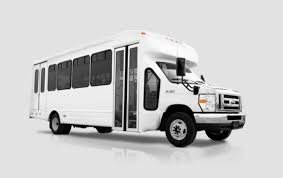
Niagara Falls Bus tour from Toronto
Planning a day trip from Toronto to Niagara Falls gives us the opportunity to experience one of Ontario’s most spectacular destinations without committing to an overnight stay. With dramatic waterfalls, scenic viewpoints, charming nearby communities, and plenty of activities, Niagara Falls can easily fill an entire day.
For first-time visitors, however, organizing transportation, choosing the right departure time, deciding what to see, and managing the day’s schedule can feel overwhelming. A well-planned Niagara Falls Bus tour from Toronto can simplify the experience by bringing transportation and sightseeing into one organized itinerary.
The distance between Toronto and Niagara Falls is manageable for a day trip, but the quality of the experience depends heavily on preparation. We need to consider traffic, seasonal conditions, attraction opening times, meal breaks, walking distances, photography opportunities, and the time required to explore each location.
This guide explains how we can plan a comfortable, enjoyable, and efficient Niagara Falls day trip from Toronto while making the most of our limited time.
Why Take a Niagara Falls Day Trip From Toronto?
Niagara Falls is one of the most recognizable natural attractions in North America. The three major waterfalls, Horseshoe Falls, American Falls, and Bridal Veil Falls, create an impressive landscape that is worth experiencing in person.
The destination is close enough to Toronto for a full-day excursion, making it particularly attractive for visitors who have limited time in the region.
A day trip allows us to leave Toronto in the morning, spend several hours exploring Niagara Falls and the surrounding area, and return to the city in the evening.
This arrangement works well for:
- First-time visitors
- Families
- Couples
- Friends
- Corporate groups
- International tourists
- School groups
- Wedding parties
- Weekend travelers
Traveling together by bus can also make the day easier to manage because the group does not need to coordinate several private vehicles.
Start Planning With the Right Departure Time
The departure time can influence the entire day.
An early start generally provides more time at Niagara Falls and may help us reach the destination before some of the day’s busiest periods.
Morning departures are particularly useful when the itinerary includes several attractions.
We should consider:
- Where the bus will pick us up
- How long passengers need to board
- Toronto traffic
- Expected road conditions
- Planned arrival time
- Attraction schedules
- Meal arrangements
- Return time
We should avoid creating an itinerary that leaves no flexibility. Even when the distance is relatively manageable, traffic and passenger loading can affect the schedule.
Choose a Convenient Toronto Pickup Location
The pickup location should be easy for everyone in the group to reach.
Depending on the itinerary, we may choose a hotel, designated meeting point, business location, or another suitable area.
Before finalizing the trip, we should make sure passengers know:
- Exact pickup location
- Meeting time
- Expected departure time
- Contact information for the group coordinator
- What they should bring
Large groups should arrive before the scheduled departure so luggage can be loaded and everyone can board without unnecessary delays.
Select a Bus That Matches the Group
The right vehicle depends on the number of travelers and the requirements of the trip.
A small group may be comfortable in a minibus, while a larger group may need a full-size motor coach.
We should consider more than the number of seats.
Important factors include:
- Passenger count
- Luggage
- Trip duration
- Comfort
- Accessibility
- Storage
- Number of stops
- Desired amenities
For a full-day excursion, passenger comfort deserves particular attention because everyone may spend several hours traveling between Toronto and Niagara Falls.
Consider Luggage and Personal Belongings
Most day-trip passengers will not have large suitcases, but they may still carry backpacks, cameras, jackets, shopping bags, and other personal belongings.
If the group is staying overnight elsewhere before or after the tour, luggage requirements may be significantly greater.
We should tell the transportation provider how much luggage the group expects to bring.
This helps ensure that personal belongings can be stored without occupying passenger seating areas.
Plan the Niagara Falls Itinerary Carefully
Niagara Falls offers more than one viewpoint, so we should decide in advance how much time we want to spend at each location.
A basic day-trip itinerary might include:
- Morning departure from Toronto
- Arrival in Niagara Falls
- Main waterfall viewing
- Scenic exploration
- Lunch
- Optional attraction or activity
- Free time
- Return departure
- Evening arrival in Toronto
The exact schedule can be adjusted according to the group’s interests.
Some visitors prefer a relaxed day focused on scenery and photography. Others want to include attractions, shopping, dining, or additional sightseeing.
The most important principle is to avoid trying to fit too many activities into one day.
See the Major Waterfalls
The waterfalls are naturally the centerpiece of the trip.
Horseshoe Falls
Horseshoe Falls is the largest of the three waterfalls and is located on the Canadian side. Its curved shape and enormous volume of water make it one of the most impressive sights in the area.
We should allow sufficient time to appreciate the falls from different viewpoints.
American Falls
American Falls sits across the Niagara River and provides a different visual perspective.
The combination of the waterfalls and surrounding river landscape creates excellent opportunities for photography.
Bridal Veil Falls
Bridal Veil Falls is the smallest of the three major waterfalls.
Although smaller, it contributes to the overall landscape and can be included when exploring the waterfall area.
Plan Time for Photography
Niagara Falls is a destination where photography naturally becomes part of the experience.
We should allow enough time for visitors to take pictures rather than treating viewpoints as quick stops.
Photography conditions can change depending on:
- Time of day
- Weather
- Season
- Lighting
- Crowd levels
- Viewing location
We should also protect phones and cameras from water spray, particularly when standing close to the falls.
A waterproof phone case or protective bag can be useful.
Consider a Boat Experience
One of the most memorable ways to experience Niagara Falls is from the water.
Seasonal boat experiences can provide close views of the waterfalls and a completely different perspective from the shore.
If we want to include a boat attraction, we should build sufficient time into the itinerary.
We should also consider weather conditions and the operating season before making it a central part of the schedule.
Explore More Than the Waterfalls
Although the waterfalls are the primary attraction, Niagara Falls offers additional experiences.
Depending on the group’s interests and available time, we can explore:
- Scenic walking areas
- Observation locations
- Gardens
- Nearby attractions
- Restaurants
- Shops
- Family entertainment
- Historic sites
A good day trip balances major attractions with enough free time to enjoy the destination naturally.
Include a Proper Lunch Break
Food should be part of the itinerary rather than an afterthought.
After several hours of walking and sightseeing, passengers will likely want a proper meal or refreshment break.
We can choose a restaurant based on:
- Group size
- Budget
- Cuisine preferences
- Location
- Available seating
- Time constraints
Large groups should plan meals carefully because finding immediate seating for dozens of people can be difficult during busy periods.
Wear Comfortable Clothing and Shoes
A Niagara Falls day trip often involves more walking than visitors initially expect.
Comfortable footwear is therefore one of the most important things to bring.
We should choose shoes suitable for:
- Walking
- Wet surfaces
- Changing weather
- Extended standing
Clothing should also reflect the season.
Visitors should be prepared for cooler conditions near the water, even when temperatures elsewhere feel comfortable.
Prepare for Water Spray
The waterfalls generate significant mist and spray.
Depending on the viewing location and weather conditions, visitors may become damp.
A light waterproof layer can be useful.
We should also protect electronic devices and avoid carrying unnecessary valuables close to areas with heavy spray.
Plan According to the Season
Every season offers a different experience.
Spring
Spring can provide changing weather and increased water flow. We should prepare for rain, cooler temperatures, and potentially wet conditions.
Summer
Summer is popular because of warmer weather and longer daylight hours. However, it can also bring larger crowds and heavier traffic.
Booking transportation early is especially useful during busy summer periods.
Autumn
Autumn can provide comfortable temperatures and attractive seasonal scenery. We should still prepare for changing conditions throughout the day.
Winter
Winter transforms Niagara Falls into a very different landscape.
Cold temperatures require warm clothing, appropriate footwear, and careful planning. Road and weather conditions may also affect travel times.
Allow Extra Time for Toronto Traffic
The return journey should not be planned too tightly.
Toronto traffic can become particularly busy during commuting periods. If the group has an evening appointment after returning to the city, we should leave a sufficient buffer.
A realistic itinerary should account for:
- Traffic
- Passenger boarding
- Attraction delays
- Meal duration
- Restroom breaks
- Weather
- Road conditions
It is better to return slightly earlier than to create an itinerary where every minor delay causes a problem.
Why a Bus Can Simplify the Journey
Driving separately can create unnecessary complications.
When several cars are involved, group members may:
- Arrive at different times
- Become separated
- Need multiple parking spaces
- Take different routes
- Struggle to coordinate departures
A Niagara Falls Bus tour from Toronto can keep the group together throughout the day.
Passengers can relax during the journey instead of focusing on navigation and parking. This is particularly useful for visitors unfamiliar with the area.
Make the Journey Comfortable
Since transportation is part of the experience, we should consider comfort when choosing the bus.
For a full-day trip, useful features may include:
- Comfortable seats
- Climate control
- Adequate legroom
- Storage
- Large windows
- Charging facilities
- Wi-Fi where available
- Restroom facilities on suitable coaches
Not every vehicle will offer every amenity, so we should confirm the features before booking.
Consider Accessibility
Every passenger should be able to participate comfortably.
If someone in the group has mobility requirements, we should communicate these needs before selecting the vehicle.
Potential considerations include:
- Wheelchair accessibility
- Ramps
- Lifts
- Accessible seating
- Additional boarding time
- Storage for mobility equipment
Accessibility planning should be part of the initial booking process rather than something handled immediately before departure.
Create a Realistic Return Schedule
The return departure should be clearly communicated to everyone.
Passengers should know where and when to meet the bus.
A group coordinator can help ensure everyone returns on time.
For larger groups, we should establish a meeting point that is easy to locate and provide clear instructions before passengers separate for free time.
Keep the Group Organized
A day trip becomes easier when everyone knows the schedule.
We should provide passengers with a simple itinerary that includes:
- Departure time
- Pickup location
- Estimated arrival
- Main activities
- Meal time
- Free time
- Return meeting point
- Return departure
- Estimated Toronto arrival
This allows passengers to enjoy their free time without constantly asking where they need to be next.
Budget for the Complete Trip
Transportation is only one part of the total cost.
We should consider:
- Bus rental
- Attraction tickets
- Meals
- Parking or transportation-related charges
- Shopping
- Optional activities
- Personal expenses
Creating a realistic budget in advance helps prevent surprises.
If several attractions are included, we should determine whether admission costs are included in the overall tour arrangement or paid separately.
Book Transportation Early
Popular travel dates can create higher demand for group transportation.
This is especially true during:
- Summer weekends
- Holidays
- School breaks
- Major events
- Long weekends
Early planning provides more flexibility when selecting the vehicle size, departure time, and desired amenities.
It also gives the group more time to finalize the itinerary.
What to Pack for a Niagara Falls Day Trip
A practical packing list can make the day more comfortable.
We should consider bringing:
- Comfortable walking shoes
- Weather-appropriate clothing
- Light waterproof protection
- Water
- Snacks
- Sunglasses
- Camera or smartphone
- Portable charger
- Small backpack
- Personal essentials
We should avoid bringing unnecessarily large bags because they can become inconvenient during sightseeing.
Common Planning Mistakes to Avoid
Leaving Toronto Too Late
A late departure can reduce the amount of time available at Niagara Falls.
Trying to See Everything
Too many attractions can make the day rushed.
Ignoring Traffic
Travel time should include a reasonable buffer.
Forgetting Comfortable Shoes
Visitors often walk more than expected.
Not Planning Meal Times
Large groups need additional time for meals.
Failing to Communicate the Return Time
Everyone should know when and where to meet the bus.
Ignoring Weather Conditions
Weather can affect comfort, attraction availability, and travel time.
How to Make the Day Trip More Enjoyable
The best Niagara Falls day trips combine organization with flexibility.
We should create a clear schedule but leave enough free time for passengers to explore, take photographs, enjoy meals, and appreciate the scenery.
The group should not feel as though it is constantly rushing from one attraction to another.
A successful itinerary focuses on the experiences that matter most to the travelers.
For first-time visitors, seeing the waterfalls, enjoying the surrounding scenery, having a comfortable meal, and experiencing one or two additional attractions can be more satisfying than trying to complete an overly ambitious list.
Conclusion
Planning the perfect Niagara Falls day trip from Toronto requires a balance between organization and flexibility. We should begin by choosing a suitable departure time, convenient pickup location, and vehicle that comfortably accommodates the entire group.
A Niagara Falls Bus tour from Toronto can simplify the journey by keeping everyone together and reducing the stress associated with navigation, parking, and multiple vehicles. However, the transportation plan should be combined with a realistic sightseeing itinerary.
We should allow enough time to experience the major waterfalls, take photographs, enjoy a meal, and explore additional attractions according to the group’s interests. Comfortable shoes, weather-appropriate clothing, water, and protection from spray can make the day more enjoyable.
Seasonal conditions also deserve attention. Summer may bring larger crowds, while winter can introduce colder temperatures and changing road conditions. Regardless of the season, leaving sufficient flexibility in the schedule helps manage unexpected delays.
The most successful day trips are not necessarily those that include the greatest number of attractions. Instead, they are the ones that allow travelers to enjoy the destination without feeling rushed. With a comfortable bus, clear communication, thoughtful scheduling, and realistic expectations, we can turn a Toronto-to-Niagara Falls excursion into a memorable full-day experience.
FAQs
1. How long does a Niagara Falls day trip from Toronto take?
A typical day trip requires most of the day because travel time is needed in both directions and Niagara Falls offers numerous activities. The exact duration depends on the itinerary, traffic, stops, and time spent at attractions.
2. What is the best time to leave Toronto for Niagara Falls?
An early morning departure can provide more time for sightseeing and may help the group reach Niagara Falls before some of the busiest periods. The ideal departure time also depends on the season and itinerary.
3. What should we bring on a Niagara Falls bus trip?
We should bring comfortable walking shoes, weather-appropriate clothing, water, personal essentials, a phone or camera, and protection from rain or water spray. A portable charger can also be useful.
4. Is a bus suitable for large groups visiting Niagara Falls?
Yes. A bus can simplify group transportation by keeping everyone together and reducing the need for multiple cars and parking arrangements. The vehicle should be selected according to passenger numbers, luggage, comfort, and accessibility requirements.
5. How can we avoid rushing during a Niagara Falls day trip?
We should prioritize the attractions that matter most, allow realistic travel and meal times, and avoid putting too many activities into one itinerary. Building a little flexibility into the schedule can make the experience more enjoyable.
For more information: Airlink Tours Niagara Falls Toronto