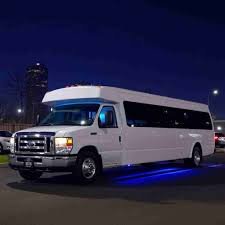
Bus Rental Toronto
Group travel becomes much easier when transportation is planned properly. Whether we are organizing a corporate event, school outing, wedding, airport transfer, sports trip, family gathering, or sightseeing excursion, the right bus can keep everyone together and make the journey more comfortable.
Toronto is a busy city with extensive roads, frequent traffic, major event venues, and countless destinations in and around the metropolitan area. Coordinating several private vehicles can quickly become complicated. A professionally arranged bus provides a practical alternative by allowing the entire group to travel together.
Choosing a Bus Rental Toronto service is only the beginning. To enjoy a comfortable and safe journey, we need to consider the vehicle size, passenger requirements, luggage, route, schedule, accessibility, onboard amenities, and booking arrangements. Careful planning also helps reduce unnecessary delays and prevents common transportation problems.
This guide covers the essential tips we should follow before and during a group bus journey in Toronto.
Why Choose a Bus for Group Travel in Toronto?
Traveling together has several advantages. When everyone uses separate cars, the group can become divided, especially when traffic causes vehicles to arrive at different times.
A bus keeps the group together from the beginning of the trip until the final destination.
This can be particularly useful for large events. Instead of coordinating multiple drivers and parking arrangements, we can establish one pickup location and one transportation plan.
A bus can also reduce the stress associated with navigating Toronto’s busy streets. Passengers can relax, communicate with one another, or prepare for the event while a professional driver focuses on the road.
For longer journeys, having comfortable shared transportation can also make the trip itself more enjoyable.
Choose the Right Bus Size
One of the first decisions we should make is selecting a vehicle that matches our group size.
A vehicle that is too small can result in cramped seating and insufficient storage. A vehicle that is much larger than necessary may increase the cost without providing useful benefits.
We should consider the total number of passengers and then examine additional requirements.
For example:
- Small groups may benefit from a minibus.
- Medium groups may require a larger shuttle or mid-size bus.
- Large groups may be better suited to a full-size motor coach.
- Groups carrying substantial equipment may need additional storage capacity.
Passenger numbers should never be the only consideration.
If we are traveling with luggage, sports equipment, musical instruments, wedding items, or other bulky belongings, we should tell the rental provider in advance.
Consider the Purpose of the Journey
Different types of trips require different transportation arrangements.
Corporate Events
Corporate transportation often requires punctuality, comfort, and a professional atmosphere.
If employees are traveling between hotels, offices, conference centers, restaurants, or event venues, a reliable schedule is particularly important.
For longer corporate journeys, amenities such as comfortable seating, climate control, charging facilities, and Wi-Fi where available may improve the passenger experience.
Wedding Transportation
Wedding transportation requires careful coordination because guests may need to travel between several locations.
A bus can transport guests from hotels to the ceremony and then to the reception venue without requiring everyone to arrange separate transportation.
We should account for wedding attire, personal bags, gifts, and other items when considering storage.
School Trips
School transportation requires additional planning. We should consider the number of students, teachers, supervisors, seating arrangements, pickup locations, and planned stops.
The itinerary should include enough time for students to board and leave the bus safely.
Sports Teams
Sports teams often need more storage than ordinary passenger groups.
Equipment bags, uniforms, protective gear, and other items can occupy considerable space. We should explain these requirements before selecting the vehicle.
Sightseeing Trips
Sightseeing passengers may spend several hours on the bus, making comfort especially important.
Large windows, climate control, comfortable seats, convenient storage, and a well-organized itinerary can make the experience significantly better.
Plan the Route in Advance
A comfortable trip starts with an efficient route.
Before confirming transportation, we should identify every important location on the itinerary.
This may include:
- Pickup locations
- Hotels
- Event venues
- Restaurants
- Tourist attractions
- Rest stops
- Drop-off points
Providing the complete itinerary allows the transportation provider to understand the journey and plan accordingly.
We should avoid creating unrealistic schedules. Traffic, loading time, parking, passenger movement, and unexpected delays can affect travel time.
A realistic schedule gives the group enough flexibility without creating unnecessary pressure.
Account for Toronto Traffic
Toronto traffic can be unpredictable, particularly during peak commuting hours and major events.
When planning a group journey, we should allow additional time rather than scheduling every part of the day with no flexibility.
This is particularly important when the group has a fixed appointment, such as:
- A wedding ceremony
- Airport departure
- Conference
- Concert
- Sporting event
- Business meeting
Leaving extra time provides a buffer for traffic and unexpected delays.
For airport transportation, we should be especially careful with timing because missing a flight can create significant complications.
Choose a Convenient Pickup Location
The pickup point should be easy for passengers to reach and clearly communicated before the trip.
A central location may be convenient for some groups, while hotel or venue pickup may be more suitable for others.
We should also consider whether the bus can safely and legally stop at the chosen location.
Large vehicles may require appropriate loading areas. Narrow streets, restricted zones, construction, and traffic regulations can affect where a bus can stop.
Providing accurate location details in advance helps reduce confusion on the day of travel.
Check Passenger Capacity Carefully
A bus should not be selected simply because its advertised seating capacity matches our group size.
For example, if 45 people are traveling, a 45-seat vehicle might technically accommodate everyone. However, if the journey is several hours long or passengers have significant luggage, a vehicle with additional space may be more comfortable.
We should consider:
- Number of passengers
- Average luggage volume
- Trip duration
- Equipment
- Seating preferences
- Accessibility
- Number of stops
The goal should be comfortable capacity, not merely maximum capacity.
Think About Luggage and Storage
Luggage requirements can vary considerably depending on the journey.
An airport transfer may involve several large suitcases per passenger. A local corporate trip may involve almost no luggage. A sports team may have equipment bags that require substantial storage.
Before booking a Bus Rental Toronto service, we should provide an accurate description of what passengers will bring.
This helps ensure the selected vehicle has adequate storage.
A lack of storage can force bags into passenger areas, reducing available space and creating unnecessary inconvenience.
Prioritize Comfortable Seating
Comfort becomes increasingly important as the journey becomes longer.
For short trips, basic seating may be sufficient. For journeys lasting several hours, comfortable seats and adequate legroom can make a noticeable difference.
We should consider whether the vehicle offers:
- Reclining seats
- Adequate legroom
- Armrests
- Climate control
- Overhead storage
- Large windows
- Reading lights
- Charging options
The available features vary between vehicles, so we should confirm them before booking.
Pay Attention to Climate Control
Toronto experiences significant seasonal temperature changes.
Summer journeys can become uncomfortable without effective air conditioning, while winter travel requires dependable heating.
Climate control is therefore an important consideration regardless of the season.
We should also dress appropriately for the weather and remember that conditions inside and outside the bus can feel different.
Consider Accessibility Requirements
Every passenger should be able to travel comfortably and safely.
If someone in the group uses a wheelchair, mobility aid, or requires additional boarding assistance, we should discuss these needs with the rental provider before confirming the vehicle.
Depending on the vehicle, accessibility features may include:
- Ramps
- Lifts
- Accessible seating
- Wheelchair spaces
- Additional boarding assistance
We should never assume that every bus provides the same accessibility features.
Early communication makes it easier to find a suitable vehicle and avoid problems on the travel day.
Review Safety Features
Safety should remain a priority when arranging group transportation.
Before booking, we should confirm that the vehicle and transportation service meet applicable requirements.
We should also make sure passengers understand basic safety practices.
During travel, passengers should:
- Remain seated when appropriate
- Follow driver instructions
- Keep aisles clear
- Store bags securely
- Avoid distracting the driver
- Use seatbelts when provided
- Keep children supervised
The driver needs to remain focused on the road, so passengers should avoid unnecessary distractions.
Select a Professional Driver
A skilled driver contributes significantly to the overall experience.
A professional driver should understand the route, manage the vehicle responsibly, communicate clearly, and prioritize passenger safety.
For unfamiliar routes or complex itineraries, an experienced driver can also help the journey run more smoothly.
When requesting a quote, we should confirm whether professional driver service is included and clarify the expected driving arrangements.
Compare Bus Amenities
Different buses offer different features.
Depending on the vehicle and trip, we may find:
- Air conditioning
- Heating
- Reclining seats
- Wi-Fi
- USB charging
- Power outlets
- Entertainment systems
- Restrooms
- Overhead storage
- Luggage compartments
We should prioritize the amenities that matter to our specific group.
For a short city transfer, a basic comfortable bus may be perfectly suitable. For a long-distance journey, additional features can improve passenger comfort.
Plan Breaks for Longer Journeys
Long journeys require appropriate breaks.
Passengers may need time to stretch, use restrooms, purchase food, or simply leave the vehicle for a few minutes.
We should include reasonable breaks when creating an extended itinerary.
Breaks are particularly important for families, older travelers, and passengers with mobility considerations.
At the same time, too many stops can make the journey unnecessarily long. The schedule should balance comfort and efficiency.
Keep the Bus Organized
A clean and organized bus is more comfortable for everyone.
Passengers should keep personal belongings in appropriate storage areas and avoid blocking aisles.
If food and drinks are permitted, passengers should follow the transportation provider’s rules and clean up after themselves.
A simple approach to organization can make a major difference during long trips.
Prepare for Weather Changes
Toronto’s weather can change throughout the year.
Before departure, we should check the forecast and dress accordingly.
For summer trips, sunglasses, sunscreen, and water can be useful. During rainy conditions, a waterproof layer and suitable footwear can help. Winter journeys require warm clothing, gloves, and shoes with good traction.
Weather can also affect traffic and travel times, so we should leave sufficient flexibility in the schedule.
Book Transportation Early
Early booking can be especially important for large groups and popular dates.
Demand may increase around:
- Weddings
- Conferences
- Graduations
- Sporting events
- Concerts
- Holidays
- Festivals
- Summer weekends
Booking ahead can give us more choices regarding vehicle size, departure times, and amenities.
Last-minute bookings may limit the available options, particularly when multiple events are occurring in Toronto.
Understand the Pricing Structure
Price should be considered, but it should not be the only deciding factor.
The total cost can depend on:
- Bus size
- Rental duration
- Distance
- Number of stops
- Travel date
- Vehicle amenities
- Driver requirements
- Additional services
We should request a detailed quote and determine exactly what is included.
A low initial price may not represent the best value if important services or amenities are excluded.
The most useful comparison is between complete packages with similar conditions.
Ask About Additional Fees
Before confirming the booking, we should ask whether additional charges may apply.
Potential costs can relate to:
- Extra hours
- Additional mileage
- Parking
- Tolls
- Extended waiting time
- Additional stops
- Cleaning requirements
- Special requests
Understanding the pricing structure in advance makes budgeting easier.
Confirm the Cancellation Policy
Plans sometimes change.
Before making a final booking, we should understand the cancellation and rescheduling policies.
Important details include:
- Cancellation deadlines
- Potential fees
- Rescheduling conditions
- Deposit requirements
- Changes to passenger numbers
Having this information in writing can prevent confusion later.
Give Passengers Clear Instructions
A successful group journey depends on good communication.
Before the trip, passengers should know:
- Pickup location
- Pickup time
- Expected departure time
- Destination
- Planned stops
- Approximate return time
- Luggage guidelines
- Contact information for the group coordinator
For larger groups, creating a simple itinerary message can help everyone stay informed.
Appoint a Group Coordinator
A group coordinator can make travel much more efficient.
This person can communicate with the driver, confirm passenger numbers, answer basic questions, and ensure everyone is present before departure.
For large groups, having one designated contact person is often much easier than having multiple passengers communicate with the transportation provider independently.
Arrive Before the Scheduled Departure
Passengers should arrive at the pickup location early.
Arriving ahead of time provides an opportunity to locate the bus, load luggage, organize passengers, and handle unexpected issues.
A bus should not be expected to wait indefinitely for late passengers, particularly when the itinerary includes multiple scheduled stops.
Punctuality helps protect the entire group’s schedule.
Keep Emergency Information Accessible
Although most journeys proceed normally, preparation is still important.
The group coordinator should have access to essential information, such as the driver’s contact details, transportation provider information, itinerary, and emergency contacts.
Passengers should also keep their personal belongings secure.
Preparation does not make the journey more complicated. It simply ensures that everyone knows what to do if plans change.
Tips for a More Comfortable Journey
Small details can significantly improve the passenger experience.
We should encourage passengers to:
- Wear comfortable clothing
- Bring water
- Carry necessary personal items
- Charge phones before departure
- Bring headphones if appropriate
- Keep important belongings nearby
- Avoid excessive luggage
- Follow the driver’s instructions
For long journeys, passengers may also benefit from a small travel pillow or light blanket, depending on the season and transportation provider’s policies.
Common Mistakes to Avoid
Choosing the Cheapest Option Without Comparing Details
Price alone does not tell us whether a bus is suitable.
Ignoring Luggage Requirements
A vehicle can have enough seats but insufficient storage.
Underestimating Travel Time
Traffic and passenger loading can add significant time to an itinerary.
Forgetting Accessibility
Special requirements should be discussed before the vehicle is selected.
Booking Too Late
Popular dates can have limited availability.
Not Confirming the Pickup Point
Passengers need clear instructions to avoid confusion.
Overloading the Schedule
Trying to fit too many stops into one day can make the trip stressful.
A Simple Pre-Trip Checklist
Before the journey, we should confirm:
- Final passenger count
- Bus size
- Luggage requirements
- Pickup location
- Pickup time
- Complete itinerary
- Accessibility requirements
- Vehicle amenities
- Driver arrangements
- Total price
- Additional fees
- Cancellation policy
- Group coordinator
- Emergency contact information
Checking these details in advance can prevent many common problems.
Conclusion
Comfortable and safe group transportation begins with careful planning. We should consider the passenger count, luggage, route, trip duration, event type, accessibility requirements, amenities, and schedule before selecting a vehicle.
A Bus Rental Toronto service can provide an efficient way to keep an entire group together while reducing the stress associated with multiple cars and complicated navigation. However, the quality of the experience depends heavily on choosing the right vehicle and preparing the itinerary properly.
We should compare transportation options based on overall value rather than price alone. A suitable bus should provide enough space, appropriate storage, comfortable seating, reliable climate control, and the features needed for the journey.
Clear communication is equally important. Passengers should receive accurate pickup details, schedules, luggage information, and contact information before departure. Arriving early and following basic safety practices can further improve the experience.
With the right preparation, group transportation becomes easier to manage, more comfortable for passengers, and better suited to the demands of the journey. Whether we are traveling across Toronto or heading beyond the city, thoughtful planning helps ensure that everyone can enjoy the trip from departure to arrival.
FAQs
1. How do we choose the right bus size for our group?
We should consider the number of passengers, luggage, equipment, trip duration, accessibility requirements, and desired comfort level. The vehicle should provide sufficient seating and storage without unnecessary excess capacity.
2. What should we consider when renting a bus in Toronto?
We should consider vehicle size, passenger comfort, luggage space, route, travel duration, accessibility, amenities, driver arrangements, pricing, and cancellation policies. These factors help us select transportation that matches the group’s needs.
3. How early should we book a bus rental?
For weddings, conferences, holidays, sporting events, and other busy dates, early booking is recommended. Reserving transportation in advance gives us a better chance of securing the preferred vehicle and schedule.
4. What should passengers bring on a long bus journey?
Passengers should bring water, comfortable clothing, necessary personal items, a charged phone, and any required medication or travel essentials. A small bag is usually easier to manage than excessive luggage.
5. How can we make group bus travel safer?
We should use an appropriate vehicle, follow passenger safety instructions, keep aisles clear, secure belongings, remain seated when required, and avoid distracting the driver. Accessibility and special requirements should also be communicated before travel.
For more information: Airlink Tours Niagara Falls Toronto