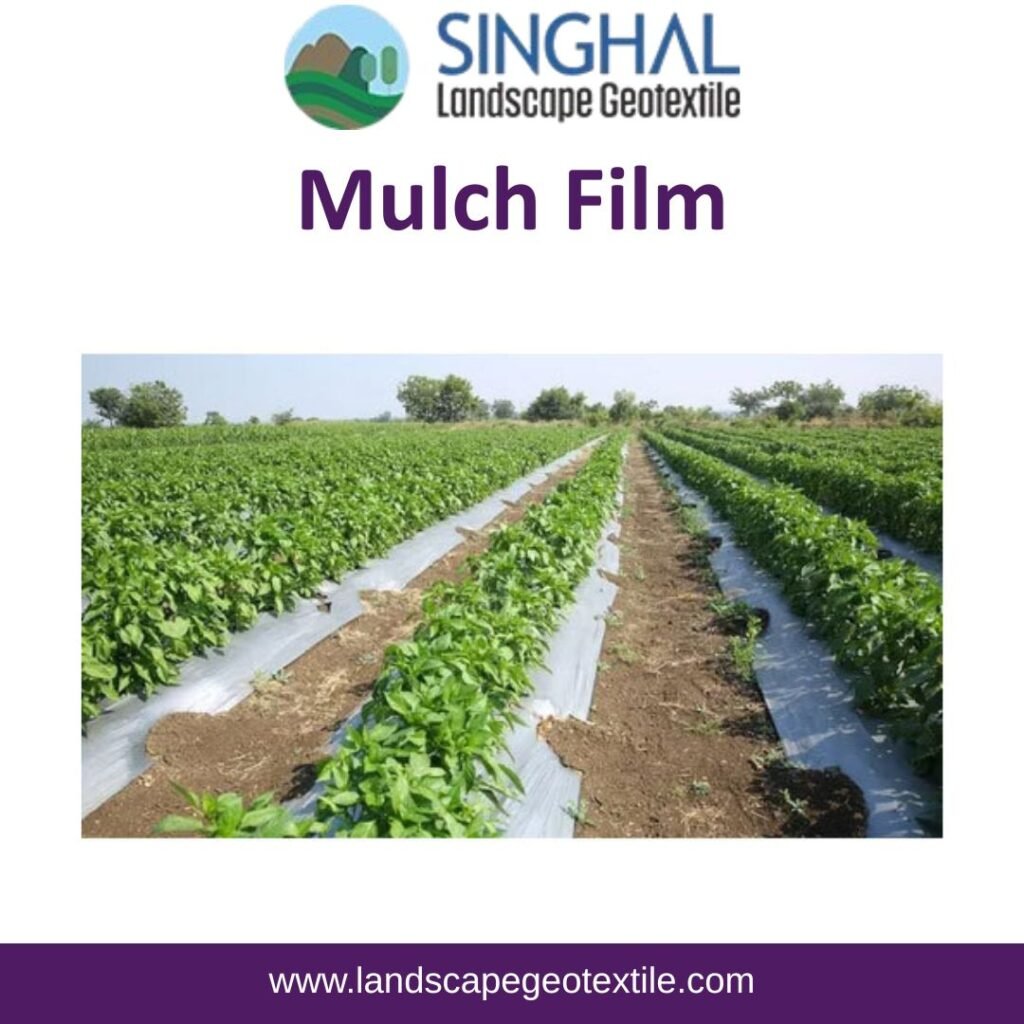
Mulch Film
Introduction
The ability of mulch film to provide soil surface protection, gamestates as ground cover has risen into prominence in a manner suitable for agriculture. When used as a cover over the soil around crops, it can control unwanted weeds, help conserve moisture, and protect the planting area from environmental fluctuations. Farmers employ a range of agriculture films depending on their crops and field conditions. From small vegetable farmers to big commercial growing, a correct film selection promotes effective field managers and maximizes these inputs of water, soil, and any resources available on the farm.
Agriculture Mulch film and share in Agriculture Crop production
Mulch Film used for protection at crops that are placed on the collectively prepared land. It protects the upper soil from direct sunlight or rainfall, wind, and other environmental effects. A very practical way of handling soil management during the crop cycle. Farmers may select different colors and materials according to its property for various cultivation methods. This cover can also help to essentially reduce the amount of space that weeds have to grow around plants. When selected and installed correctly, it becomes an equivalent of a farm accessory necessary to sustain the particular circumstances of the area while lessening out some manageable routine problems with regards to open ground farming.
Mulch films offer a means of safeguarding the soil
Soil is one of the essential resources in Agriculture, and keeping its quality for production is important. Mulch Film is a substance that coats the ground so sunlight cannot hit and evaporate water directly out of it, although rain can still fall to wet the earth. Soil may hold moisture longer on hot days if covered, depending on local conditions; otherwise, it is cooler but dry. It could potentially lessen the wash-out effect of soil droplets during a rain, which can maintain a cleaner environment in the growing space. Without a physical barrier between it and the environment, which allows more effective soil management, one farmer can use a beneficial other to manage field conditions at different growth/production stages of plants.
Managing Moisture More Effectively
Another major worry for farmers is water management. In this case, when irrigation resources need to be invested with caution. Mulch Film application for eliminating the direct rather Direct loss of moisture from the Baine surface. The effect varies with weather, soil type, crop, and irrigation method, but the basic idea remains a practical way to manage fields. And once the moisture conditions can be managed, it creates a much more stable growth environment to allow crops to thrive.
Controlling Unwanted Weed Growth
Because weed competes against the crop plants to be brighter, nourished, and moistened, as well as having space to grow, it is necessary that the culture incorporates weed management. Assuming the correct install, a film can obstruct nearly all of the earth surrounding crops and scatter excessive light from reaching the meddling weeds. That must prevent undesirable vegetation from growing through covered areas. Transitioning farmers to result-based policy must use film in conjunction with integrated weed-management practices, rather than using the repeated and high location manual removal. Lower weed pressure will also help with reducing the difficulty of field maintenance through the production cycle. The fact that control to some extent relies on installation and film characteristics, crop spacing, as well as the environment of the field interacting with the film.
How to Grown Plants by Red Mulch Film.
Farmers might also wonder how different color surfaces like the use of black plastic mulch, for instance, could alter growing conditions in vegetable and specialty crop production whenever they considered the possibility of utilizing it at least sporadically. They state the ruddy surface alters light redirection of illumination about these plants when contrasted with a conventional dull covering. Instead of the feeling that one colored film can produce, farmers would be much better off choosing a colored film based on their crop, growing environment, and goals. Red mulch film can be used as an additional tool in a larger crop management strategy when utilized properly.
How to Choose Right Film for Different Types of Crops?
Each crop has their unique cultivation requirements, so you must study the above field and the crop conditions first to select agricultural film. It may display the particular crop, growing layout, watering styles, as well as soil kind & condition together with a weather graph showing how lengthy they are cultivated. It must also suit the ground conditions for installation and removal. So, for some farmer they may use normal black coverings and some will prefer colored alternatives like Red mulch film if you ask me. Make your intent clear every time before product selection. An ideal cover helps facilitate a gentler field administration when it is utilized close by normal farming strategies as opposed to muddling planting, watering, harvest advancement, and harvesting.
The mulch film plant manufacturers produce
Reliability builds around repetitive manufacturing, and this is exactly why the agricultural buyers pay attention to choosing farm Mulch film plant manufacturers. While companies will be targeted to creating products for certain crop-management needs, some are producing films for multiple agronomic applications. Which means: although the manufacturers experience, product stability, and process conformance and reliability are big players in whether a buyer approves a manufacturing facility or not at all. Also, Established Mulch film plant makers likewise help make buyers mindful which individual movie is for their arrangement in agribusiness. Farmers and ag operations should select products not just based on appearance or price, but also how they perform in a cropping system and fieldmanagement.
Conclusion
Crop care reframes practical decisions, from soil and water management through weed control to the day-to-day management of a field. Some exacting cultivation necessities may be satisfied also via red mulch film making use of as well, and reliable Mulch film plant producers assist agricultural customers to discover the right merchandise for their applications. With the right choice and management, agricultural film can be one of the favorable features of modern agriculture.
Frequently Asked Questions
Who is the largest manufacturer of Mulch Film?
Singhal Landscape Geotextile is the largest supplier of mulch film, providing premium agricultural solution with reliable quality, consistent performance, and pan India trust.
Advantages of Utilizing Black Plastic Mulch Film?
Annually used black plastic mulching film represents an effective solution for weed regulation, soil moisture conservation, as well as ideal crop development and temperature regulation, improving agricultural productivity.
How Farmers Should Start Using Compostable Mulch Film?
The compostable mulch film is used in sustainable farming practices to provide environmentally friendly agriculture cultivation, eliminate plastic wastes, and succeed moisture of farm widely for better soil management.
Why is mulch film important in agriculture?
By conserving moisture, suppressing weeds and protecting the soil, mulch film is a key element of an improved growing environment which helps build strong root systems that support uniform crop development.
Can we use that mulch film for all crops?
Mulch film is indeed a good fit for commercial crops including vegetables, fruits, flower plantations and many more— making production time-efficient and field efficient while promoting healthy plant growth during the culture cycle.