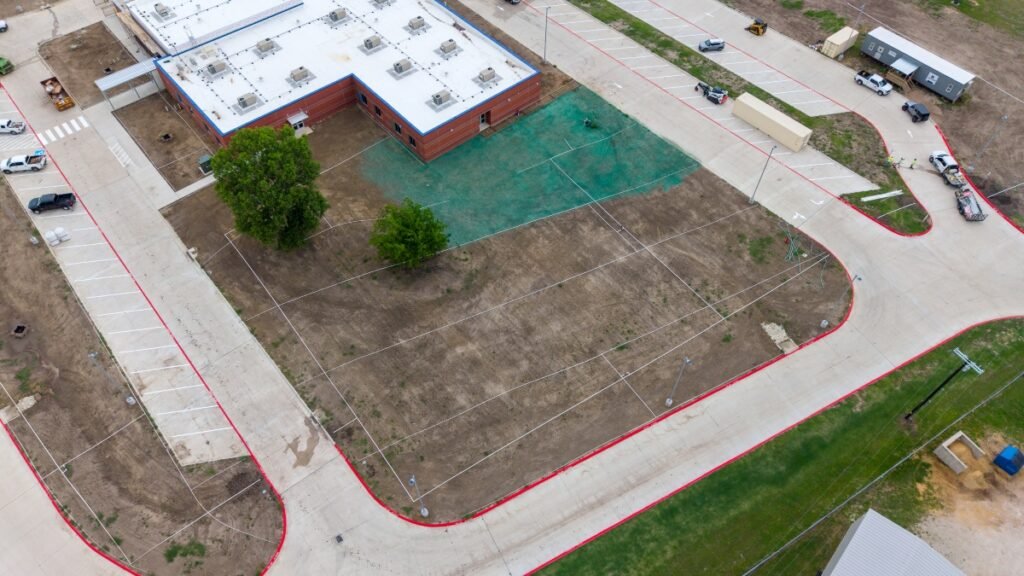
commercial hydroseeding services
Successful commercial hydroseeding begins long before the seed slurry reaches the soil. Germination rates depend on several connected factors, including seed quality, soil preparation, moisture, temperature, application technique, and post-installation care. A large project can quickly become expensive when thin coverage or failed germination requires reseeding and additional labor. For this reason, contractors should treat hydroseeding as a complete establishment process rather than simply a method of applying grass seed. Careful planning at every stage can create better conditions for uniform emergence and stronger long-term turf development.
Professional commercial hydroseeding services can help large properties establish vegetation efficiently across expansive or difficult-to-access areas. However, even the best equipment cannot overcome unsuitable soil, poor seed selection, inadequate moisture, or incorrect application timing. Contractors should evaluate the site before choosing a seed mixture and determine how the finished turf will be used and maintained. They should also establish a realistic aftercare plan before the slurry is sprayed. When preparation and maintenance receive as much attention as the application itself, the chances of achieving consistent germination can improve substantially.
Start With a Thorough Site Assessment
A detailed site assessment is the foundation of any successful hydroseeding project. Contractors should inspect soil texture, compaction, drainage, slope, sunlight exposure, existing vegetation, and areas where runoff may concentrate. Construction activity can leave soil compacted or stripped of valuable topsoil, creating conditions that are difficult for developing roots. Identifying these problems before application allows the project team to correct them rather than expecting the seed mixture to compensate. The assessment should also consider how the property will eventually be used because high-traffic areas may require different turf characteristics from decorative landscape zones.
Site conditions can vary considerably across a single commercial property. One section may receive full sunlight and drain quickly, while another may remain shaded or collect water after rainfall. Treating the entire project as though it has identical conditions can lead to uneven germination and inconsistent turf performance. Dividing the site into practical planting zones may allow contractors to select appropriate seed mixtures and application strategies. This approach requires more planning but can produce a more reliable landscape than applying one generic formula everywhere.
Prepare the Soil for Germination
Seed needs direct contact with a suitable growing medium to germinate successfully. Before hydroseeding, contractors should remove debris, address excessive compaction, establish appropriate grades, and create a seedbed that can support root development. Depending on soil conditions, amendments may be required to improve fertility or correct specific deficiencies. Soil testing can provide useful information when the existing ground is questionable or has been heavily disturbed by construction. Proper preparation creates a better environment for roots to access moisture, nutrients, and oxygen.
Drainage should receive particular attention because both excessively dry and excessively wet soil can interfere with establishment. Water that remains on the surface for extended periods can create unfavorable conditions for seed and young roots. Conversely, water that moves rapidly across the soil can carry seed and mulch away before germination occurs. Grading and drainage systems should therefore be evaluated before the application begins. A well-prepared seedbed provides a stable foundation for the slurry and reduces avoidable establishment problems.
Select High-Quality Seed for the Site
Seed selection is one of the most important decisions affecting germination and long-term turf performance. Contractors should consider grass species based on regional climate, soil characteristics, sunlight, moisture, expected traffic, and maintenance capacity. Some varieties germinate quickly but may require more intensive care, while others may establish more slowly but provide greater durability under specific conditions. A seed blend can sometimes combine desirable characteristics from multiple species. The important point is that the mixture should be selected for the actual site rather than simply chosen because it is inexpensive or widely available.
Seed quality also matters. Contractors should review information such as seed purity, germination percentage, species composition, and appropriate storage conditions when purchasing commercial quantities. Old or improperly stored seed may have reduced viability, which can lead to disappointing results even when other parts of the process are handled correctly. Experienced hydroseeding professionals understand that seed is a biological material and must be handled accordingly. Choosing reliable seed from reputable suppliers provides a stronger starting point for the entire project.
Build the Right Hydroseeding Slurry
The hydroseeding slurry serves as the delivery system for seed and supporting materials. A typical mixture may contain water, grass seed, mulch, fertilizer, and a tackifying agent, although the formulation should be adapted to project conditions. The goal is to distribute seed evenly while creating a favorable environment for moisture retention and early development. Different sites may require different application rates or supporting materials. A contractor should be able to explain why the proposed slurry formulation is appropriate for the property’s soil, slope, weather conditions, and intended turf.
Mulch plays an important role during the early establishment period because it can help retain moisture around the seed and provide temporary surface protection. Tackifiers may be useful on slopes or areas exposed to erosion because they can help hold the application in place. Fertilizer or soil amendments should be selected according to actual site needs rather than added automatically. An experienced operator understands that more material does not necessarily mean better results. Balanced formulations are generally more useful than excessive application rates that do not address the property’s specific requirements.
Apply the Slurry Evenly
Application technique can directly affect the uniformity of germination. Operators should work systematically across the site to ensure that seed and supporting materials are distributed consistently. Uneven spraying can create areas with insufficient seed and other sections with excessive coverage, leading to inconsistent turf density. Equipment settings, spray patterns, pressure, terrain, and access all need to be considered. Professional operators should also take care not to disturb the prepared seedbed while moving equipment around the property.
Large commercial sites may require careful logistical planning because buildings, construction materials, slopes, fencing, and access routes can affect application. Operators should identify difficult areas before starting rather than improvising during the spray operation. Overlapping application patterns should be controlled to avoid excessive material buildup. Similarly, corners and narrow sections may require additional attention to achieve appropriate coverage. Consistent application creates a more uniform starting point for the germination stage.
Get the Timing Right
Timing can significantly influence germination because seeds respond to environmental conditions. Contractors should consider soil temperature, seasonal weather, expected rainfall, and the specific requirements of the selected grass varieties before scheduling application. Extremely hot, cold, wet, or dry periods can slow establishment or increase the risk of seed loss. A suitable application window gives the developing grass a better opportunity to germinate under manageable conditions. Local growing knowledge can be particularly valuable when deciding when to schedule a large commercial project.
Weather conditions should also be monitored around the application date. A severe storm shortly after hydroseeding can move soil and slurry before the seed has established, particularly on exposed slopes. On the other hand, extended dry conditions can prevent seeds from receiving enough moisture to begin germination. Contractors should maintain flexibility where possible and avoid treating the scheduled application date as more important than actual site conditions. Good timing can protect the investment made in preparation, materials, and labor.
Maintain Consistent Moisture After Application
Water management is one of the most important factors influencing germination. Seeds need adequate moisture to begin the germination process, but excessive watering can cause runoff, puddling, soil movement, or seed displacement. Newly hydroseeded areas should therefore receive irrigation appropriate to the soil, weather, slope, and seed mixture. The objective is generally to keep the seedbed adequately moist during the early stage without creating saturated conditions. Irrigation requirements may change as seedlings emerge and roots develop.
Commercial properties can present special irrigation challenges because large areas may not have permanent irrigation systems installed during the establishment period. Contractors should determine how water will be supplied before hydroseeding begins. Temporary irrigation may be necessary for certain projects, while others may be able to rely partly on favorable rainfall. A clear watering plan should identify who is responsible for monitoring moisture and making adjustments. Without reliable post-application watering, even a carefully prepared hydroseeding project can struggle to reach its potential.
Protect the Developing Seedlings
Freshly hydroseeded areas should be protected from unnecessary disturbance while the grass establishes. Foot traffic, construction equipment, vehicles, and material storage can damage the slurry layer or compact the developing soil. Commercial construction projects may require coordination between landscaping teams and other trades to prevent newly seeded areas from being disturbed. Clearly marked boundaries can help workers identify zones that need protection. Limiting traffic during early establishment gives young roots a better opportunity to develop.
Erosion is another concern during this stage. Heavy rainfall can expose seed, move mulch, and create channels through newly prepared soil. Slopes may require additional erosion-control measures depending on their condition and the project’s overall stormwater strategy. After significant weather events, site managers should inspect the area for bare spots, displaced material, or concentrated runoff. Early repairs are usually easier to manage than waiting until erosion has created extensive damage.
Monitor Germination and Respond to Problems
Regular inspections can help identify establishment problems while they are still manageable. Contractors should look for areas that remain bare, excessively wet, unusually dry, or noticeably different from surrounding sections. Uneven germination does not always indicate failure because seed varieties may emerge at different rates. However, persistent gaps should be investigated to determine whether the cause is soil condition, irrigation, seed distribution, erosion, or another factor. Monitoring creates an opportunity to make informed adjustments instead of relying on assumptions.
If reseeding becomes necessary, the cause of poor establishment should be identified first. Simply adding more seed without addressing the underlying problem may produce the same result again. For example, reseeding a compacted area without improving soil conditions may not solve the issue. Likewise, adding seed to a location affected by uncontrolled runoff may result in repeated seed loss. A diagnostic approach helps ensure that corrective work addresses the actual cause rather than only treating the visible symptom.
Choosing a Professional Hydroseeding Provider
When searching for a hydroseeding company near me, property owners and contractors should evaluate more than location and price. Experience with commercial-scale projects, knowledge of local growing conditions, equipment capabilities, seed selection, site preparation, and aftercare support can all influence the final outcome. Ask potential providers how they assess soil, determine seed mixtures, prepare the site, and manage post-application watering. A qualified provider should be willing to explain its process clearly and provide a detailed scope of work. This information makes it easier to compare contractors on value rather than simply comparing the lowest quotation.
It is also wise to ask for references or examples of similar projects when available. Previous commercial work can demonstrate whether the provider has experience managing large areas, challenging slopes, or complex construction environments. Written estimates should identify what is included, such as preparation, seed, mulch, fertilizer, application, and follow-up recommendations. Contractors should also understand what responsibilities remain with the property owner after application. Clear communication before the project begins can reduce misunderstandings and support better long-term results.
Building a Strong Long-Term Turf Program
Once germination is established, the focus should gradually shift toward maintaining healthy and resilient turf. Mowing should be introduced at the appropriate stage and height for the selected grass, while irrigation should be adjusted as the root system develops. Fertilization, weed management, aeration, and seasonal maintenance may also become part of the property’s ongoing landscape program. The specific requirements depend on grass type, climate, soil, and site use. A consistent maintenance strategy helps preserve the progress achieved during the initial establishment period.
Commercial turf should also be monitored for changes in traffic, drainage, irrigation performance, and environmental stress. Areas that receive heavy use may require additional management compared with less frequently used landscape sections. Irrigation failures should be addressed quickly because established grass can still suffer significant stress during dry conditions. Similarly, drainage problems should not be ignored simply because the turf has matured. Long-term observation allows property managers to protect the investment and maintain a healthy landscape over time.
Final Thoughts
Maximizing germination rates in commercial hydroseeding projects requires careful attention from the first site assessment through long-term turf maintenance. Soil preparation, seed quality, slurry formulation, application technique, timing, irrigation, and protection all work together to influence establishment. Professional commercial hydroseeding services can make large-scale vegetation projects more manageable, but successful results still depend on matching the process to the specific site. Contractors should prioritize informed planning and realistic expectations rather than relying on shortcuts. A well-executed project can provide dense vegetation, improved soil stability, and a stronger foundation for long-term landscape performance.
The most reliable approach is to treat hydroseeding as a complete turf establishment system rather than a single installation event. Choosing appropriate seed, preparing the ground correctly, applying the slurry evenly, and maintaining adequate moisture can significantly improve the conditions for germination. Working with an experienced hydroseeding company near me may also provide valuable regional knowledge and practical support throughout the project. By combining professional application with disciplined aftercare, commercial property owners can give newly seeded turf the best possible opportunity to develop into a healthy, durable landscape.