A Leading Power Solutions Provider can help businesses and communities meet these needs by offering practical energy systems designed around their specific requirements. From solar power and backup systems to water solutions and energy management, modern power services can support both daily operations and long-term growth.
Premium clean energy is not only about installing new equipment. It is also about creating a reliable system that can deliver useful power, reduce waste, and support changing energy needs. With the right planning, clean energy solutions can become an important part of a more reliable and sustainable future.
Understanding Modern Power Solutions
Note : Industrial and commercial operations had benefited from properly planned power solutions. A trusted Power Solution Company In Tanzania had helped customers improve energy reliability and support continuous operations. Tamgo Tanzania Limited had offered power solutions designed around different requirements.
Power solutions include a wide range of products and services that help generate, store, manage, and use electricity efficiently. The right solution depends on factors such as the size of a facility, energy demand, location, available resources, and budget.
Why Reliable Power Matters
A stable power supply is essential for almost every type of business. A sudden power failure can stop machines, affect communication systems, interrupt production, and cause delays.
For industries, even a short interruption can affect production schedules and equipment. For commercial buildings, power problems can reduce productivity and affect customer service.
Reliable power solutions help reduce these risks by providing suitable generation and backup options.
The Growing Need for Clean Energy
Traditional energy sources have supported economic development for many years, but they can also create environmental concerns. Clean energy provides another way to meet power needs while making better use of natural resources.
Solar, wind, and other renewable sources can help reduce dependence on conventional fuels. They can also support businesses that want to improve their environmental performance.
Clean energy is therefore becoming an important part of modern energy planning.
What a Power Solutions Provider Can Offer

A professional energy provider can offer different systems based on the needs of its customers. Instead of using the same solution for every project, a good approach begins with understanding the actual energy requirement.
Solar Power Systems
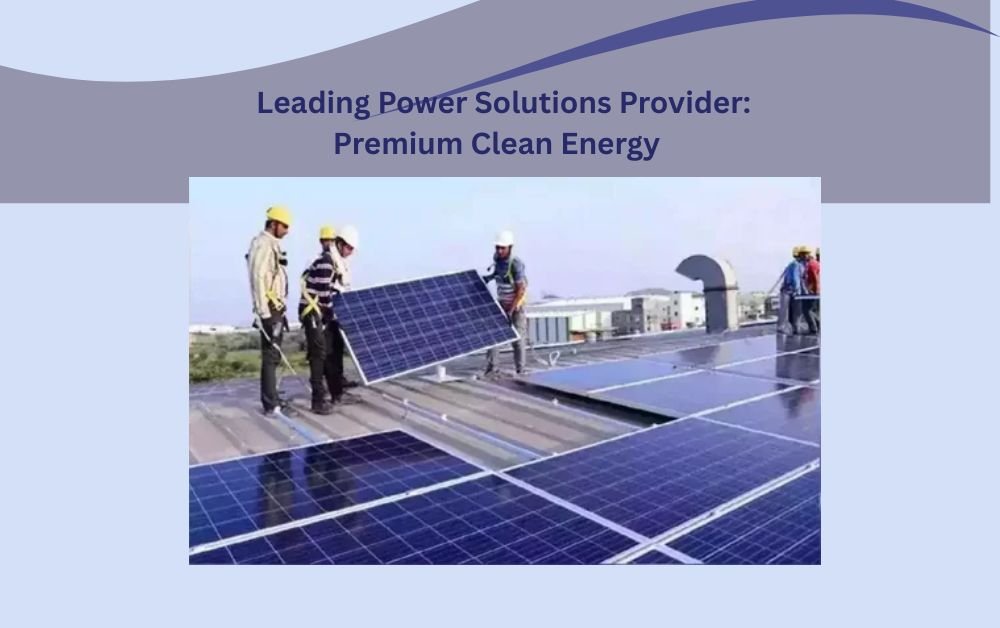
Solar power is one of the most widely used clean energy options. Solar panels convert sunlight into electricity that can be used for homes, businesses, farms, and industrial facilities.
A properly planned solar system can help reduce dependence on electricity from the main grid. It can also provide a useful source of power in areas where electricity access is limited or unreliable.
Benefits of Solar Energy
Solar power can provide several practical benefits:
- Uses sunlight as a renewable energy source
- Can reduce electricity costs over time
- Supports cleaner energy use
- Can be used in different types of locations
- Requires relatively low daily maintenance
- Can be combined with battery storage
The actual benefits depend on the system size, local weather, energy use, equipment quality, and installation conditions.
Energy Storage Systems
Energy storage can make clean power systems more useful. Batteries can store electricity produced during periods of high solar generation and make it available when needed.
This can be especially helpful during the evening or during temporary power interruptions.
Why Battery Storage Is Useful
Battery systems can help businesses manage their energy use more effectively. Stored power may be used when solar generation is low or when grid power is unavailable.
Modern battery systems can also be designed to work with solar panels and other power equipment. This creates a more flexible energy system.
Power Solutions for Different Industries
Every industry has different energy requirements. A small office may need a simple backup system, while a manufacturing facility may require a much larger and more carefully managed power setup.
Solutions for Commercial Buildings
Offices, shopping centers, hotels, warehouses, and other commercial buildings need dependable electricity for lighting, cooling, computers, security systems, and other equipment.
A suitable energy system can combine renewable power, backup generation, and storage to support important operations.
Energy monitoring can also help businesses understand where electricity is being used. This information can help identify areas where energy consumption may be reduced.
Solutions for Industrial Facilities
Industrial facilities often have high and continuous energy requirements. Motors, pumps, production machines, compressors, control systems, and other equipment can consume large amounts of power.
A professional provider can study the facility’s energy requirements and develop a system that supports both normal operation and backup needs.
Supporting Continuous Operations
Industrial businesses cannot always afford long power interruptions. A well-designed power system can provide backup support for critical equipment and important processes.
The system may include generators, solar power, batteries, control panels, and other equipment depending on the project.
Solutions for Agriculture
Agricultural operations also depend on reliable power. Water pumps, irrigation systems, storage facilities, processing equipment, and farm buildings may all require electricity.
Solar-powered pumping systems can be useful in areas with good sunlight. They can provide power for water pumping without depending entirely on the main electricity network.
The Importance of Energy Planning
Installing power equipment without proper planning can lead to poor performance and unnecessary costs. Energy planning helps determine what equipment is needed and how different systems should work together.
Assessing Energy Demand
The first step is understanding how much power a customer needs. This includes checking current electricity use, equipment loads, operating hours, and future requirements.
A growing business may need more energy in the future. Planning for expansion can prevent the need for major system changes later.
Selecting the Right Equipment
Different applications require different equipment. Solar panels, batteries, generators, inverters, pumps, and control systems all have different specifications.
The equipment should match the required power load and operating conditions.
Quality Matters
Good-quality equipment can provide better reliability and longer service life when properly installed and maintained.
Customers should consider equipment performance, warranty support, spare parts availability, installation quality, and after-sales service when selecting a power solution.
Clean Energy and Cost Management
One of the major reasons businesses consider renewable energy is the opportunity to manage energy costs more effectively.
Energy prices and operating expenses can affect business budgets. A well-designed clean energy system may help reduce dependence on purchased electricity.
Reducing Unnecessary Energy Use
Energy efficiency should be considered alongside energy generation. Producing more electricity is not always the only answer. Reducing waste can also make a major difference.
Businesses can review lighting, cooling systems, motors, pumps, and other equipment to identify areas where electricity use can be improved.
Combining Efficiency With Renewable Energy
The strongest energy plans often combine efficient equipment with renewable generation and storage.
For example, a business may reduce unnecessary energy use, install solar panels, and add battery storage. Together, these steps can create a more balanced energy system.
Clean Energy for a More Sustainable Future
Sustainability is becoming an important part of business planning. Companies are looking for ways to reduce waste, use resources responsibly, and improve their environmental performance.
Clean energy can support these goals by increasing the use of renewable sources.
Reducing Dependence on Conventional Fuels
Renewable energy can reduce the need for conventional fuel in suitable applications. Solar power, for example, uses sunlight rather than fuel to produce electricity.
This can be especially useful for remote locations where fuel delivery may be expensive or difficult.
Supporting Long-Term Energy Goals
Clean energy is not only a short-term solution. Properly planned systems can support long-term energy goals and help businesses prepare for changing energy needs.
Technology is also improving quickly. Better batteries, smarter controls, and improved solar equipment are making clean energy systems more flexible.
The Role of Professional Installation
Even high-quality equipment may not perform well if it is poorly installed. Professional installation is therefore an important part of any power project.
Safe and Correct Installation
Power equipment must be installed according to suitable technical and safety requirements. Incorrect connections or poor system design can reduce performance and create safety risks.
Experienced professionals can help ensure that equipment is installed correctly and tested before use.
Testing and System Setup
After installation, the system should be checked to make sure all major components are working correctly. Proper testing can help identify problems before the system becomes fully operational.
A good installation process should also include clear information about system operation and maintenance.
Maintenance and After-Sales Support
A power system needs regular attention to continue working effectively. Maintenance can help identify small problems before they become larger issues.
Regular System Checks
Depending on the type of system, maintenance may include checking electrical connections, batteries, solar panels, control equipment, generators, pumps, and other components.
Regular inspections can also help maintain system performance.
Technical Support
Reliable technical support is valuable when a system requires troubleshooting or repairs. Customers benefit from having access to trained professionals who understand the equipment and its operation.
Spare parts and repair services can also help reduce downtime.
Choosing the Right Power Solutions Provider
Selecting an energy partner is an important decision. Customers should look beyond the equipment itself and consider the complete service offered.
Experience and Technical Knowledge
An experienced provider can better understand different energy requirements and recommend suitable options.
Technical knowledge is particularly important for larger projects involving several power systems working together.
Complete Project Support
A complete service can include consultation, energy assessment, system design, equipment supply, installation, testing, maintenance, and technical support.
Having these services available from one provider can make project management easier.
Focus on Customer Requirements
Every customer has different goals. Some may focus on reducing electricity costs, while others may need backup power or want to increase their use of renewable energy.
The right provider should first understand these needs before suggesting a solution.
Building a Reliable Clean Energy System
A successful energy project is based on more than individual products. Solar panels, batteries, generators, pumps, inverters, and control systems need to work together as part of a complete plan.
A professional provider can help connect these different elements into one practical system.
Planning for Future Growth
Energy requirements can change as a business grows. New machinery, additional buildings, increased production, or expanded operations can increase electricity demand.
A flexible energy system can make future upgrades easier.
Using Smart Energy Management
Energy management technology can help monitor electricity use and system performance. Data from these systems can show how much energy is being generated, stored, and consumed.
This information can help businesses make better decisions about energy use.
The Future of Premium Clean Energy
The clean energy sector continues to develop as technology improves and more businesses look for efficient energy options.
Solar power, battery storage, smart controls, efficient equipment, and hybrid systems are likely to play an important role in future energy planning.
The goal is not simply to produce electricity. It is to create energy systems that are reliable, efficient, flexible, and suitable for long-term use.
Conclusion
A modern Leading Power Solutions Provider can help businesses, industries, farms, and communities meet their energy needs with practical and cleaner solutions. From solar power and battery storage to backup systems and energy management, the right combination of technologies can support reliable operations.
As energy needs continue to change, businesses can benefit from working with experienced power professionals who understand both traditional and renewable energy systems. A well-planned energy solution can support reliable operations today while helping create a cleaner and more efficient future.
For more insightful articles related to this topic, feel free to visit. xuzpost