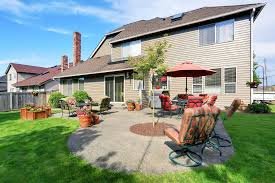
A residential landscape should be more than a collection of attractive features. It needs to support the way people move through the property, spend time outdoors, and care for their surroundings. A comfortable seating area, a practical walkway, and well-placed planting can make a garden more useful without requiring an elaborate design. Landscape design and construction in Culver City gives homeowners an opportunity to consider how these elements can work together while responding to the property’s layout and local conditions.
The planning process should begin with questions about daily life. Does the household need room for outdoor dining? Is the front entrance difficult to reach? Does the backyard feel exposed, or is there an area where water tends to collect? These observations help establish priorities before materials and decorative details are chosen. A design based on real needs is more likely to remain useful than one built around features that look impressive but serve little practical purpose.
Assess the Existing Landscape Before Making Changes
Before planning new construction, take stock of what is already present. Mature trees may provide valuable shade, established planting may offer privacy, and existing paths may be worth retaining. At the same time, damaged paving, uneven ground, poorly placed irrigation, and awkward transitions between surfaces may need attention. Understanding these conditions prevents homeowners from removing useful features unnecessarily or overlooking issues that could affect the new design.
Landscape design and construction in Culver City should also account for the relationship between the home and the outdoor areas. Consider views from the main windows, the position of exterior doors, and how people will move between indoor and outdoor spaces. A patio beside a frequently used entrance may be more convenient than one placed at the far end of the yard. Similarly, a clear walkway can improve access without dividing the garden into too many separate sections. The best layout depends on how the property is used rather than on a fixed design formula.
Create a Balanced Mix of Hardscape and Planting
Hardscape elements such as patios, walkways, steps, and retaining walls provide structure, while plants bring texture, shade, and seasonal change. A balanced landscape gives each component enough room to serve its purpose. Too much paving can make a small yard feel stark, while excessive planting without clear routes can make it difficult to move around comfortably. Combining surfaces and greenery creates a more functional outdoor environment.
Material selection should reflect the home’s architecture and the conditions of the site. Pavers can define seating areas, concrete can provide practical routes, and natural stone can introduce variation in texture. Planting beds can soften the edges of constructed features and create transitions between different areas. When discussing landscape design and construction in Culver City, homeowners should consider how materials will look together in natural light and how much maintenance each element will require. Coordinating these decisions early helps avoid a finished space that feels disconnected.
Choose Plants That Suit the Local Conditions
Plant selection has a lasting effect on the appearance and maintenance needs of a garden. Plants suited to local sunlight, soil, and water conditions are generally easier to manage than species that require constant adjustment to thrive. Consider whether an area receives full sun, partial shade, or limited direct light, and pay attention to how those conditions may change as trees grow. Mature plant size is equally important because crowded shrubs and overgrown branches can eventually obstruct paths or windows.
Water needs should be considered across the entire planting plan. Grouping plants with similar requirements can make irrigation easier to manage and help prevent some areas from receiving too much or too little water. Mulch may help conserve soil moisture and reduce weed growth in suitable planting beds. Landscape design and construction in Culver City should also account for root growth, clearances around buildings, and the space needed to prune or replace plants. These practical details help a garden mature without becoming difficult to maintain.
Plan Drainage, Lighting, and Outdoor Comfort
A landscape can look finished while still having practical problems beneath the surface. Water may collect beside the house, runoff may wash soil from planting beds, or irrigation overspray may repeatedly wet paving. These issues should be addressed as part of the overall plan rather than handled only after the new features have been installed. Grading, drainage routes, and irrigation layout need to work together with the proposed hardscape and planting.
Lighting and shade also influence how often an outdoor space can be used. Path lighting can improve visibility, while suitable lighting near a dining area may make evenings more comfortable. Trees, umbrellas, and other shade solutions can reduce direct sun exposure in frequently used areas. A landscape design and construction in Culver City project should balance these features with the size of the property and the needs of the household. The goal is to create a space that works at different times of day without introducing unnecessary complexity.
A Practical Order for Organizing the Project
Breaking the work into clear stages makes a landscape project easier to understand and manage. Some tasks must be completed before others can begin, so the sequence matters. Drainage and grading generally need attention before final paving and planting, while irrigation lines may need to be installed before garden beds are completed. A coordinated plan can reduce the risk of damaging finished features during later construction.
A useful planning sequence includes:
- Establish priorities: Identify the problems to solve and the activities the space should support.
- Measure and assess: Record dimensions, slopes, existing plants, utilities, and access points.
- Develop the layout: Decide where patios, paths, planting beds, and other features should go.
- Plan technical work: Address grading, drainage, irrigation, and any required permits.
- Choose materials and plants: Match selections to the design, local conditions, and maintenance preferences.
- Coordinate construction: Schedule the work in an order that protects completed areas and allows each stage to be checked.
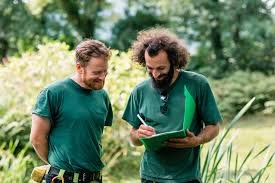
Stonewood Landscape Inc is one company homeowners may encounter when researching residential landscape improvements. Regardless of the provider selected, a written scope and a coordinated plan help clarify responsibilities and reduce confusion during construction.
Conclusion
A successful residential landscape connects the house, constructed features, and planting into one practical environment. Careful assessment, suitable plant choices, coordinated materials, and proper drainage all contribute to the result. Homeowners do not need to change every part of a yard at once, but they should understand how individual improvements will fit into the larger plan. By beginning with everyday needs and organizing the work thoughtfully, it becomes easier to create an outdoor space that feels natural, comfortable, and manageable.