Labubu
In the evolving universe of designer toys, few characters have managed to capture attention, emotion, and curiosity the way Labubu has. At first glance, Labubu appears simple—small, odd, slightly chaotic, and almost mischievous in expression. But beneath that playful exterior lies a carefully crafted identity that blends storytelling, emotional symbolism, and contemporary art culture. Labubu is not just a toy figure; it is a cultural artifact of modern creativity, where imagination meets collectability in a global market driven by aesthetics and emotional connection.
What makes Labubu particularly interesting is how it resists traditional definitions. It is not a cartoon character with a fixed narrative, nor is it a static decorative object. Instead, it exists in a fluid space where interpretation is part of the experience. Each collector sees something slightly different in Labubu—some see innocence wrapped in chaos, others see mischief softened by vulnerability, and some simply see a strange but lovable creature that feels alive in its stillness.
The Artistic Origins and Creative Vision Behind Labubu
Labubu was created by artist Kasing Lung, whose artistic style often blends fairy-tale darkness with whimsical innocence. His world-building approach does not rely on linear storytelling but instead on emotional fragments—faces, moods, and symbolic creatures that feel like they belong in forgotten storybooks. Labubu emerged from this imaginative ecosystem as one of the most recognizable figures, later becoming widely popular through its collaboration with POP MART, a major force in the designer toy industry.
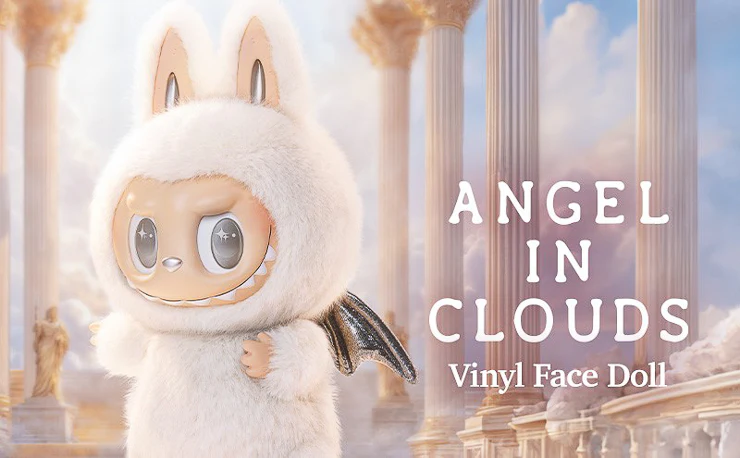
The design philosophy behind Labubu is deeply rooted in imperfection. The character’s sharp teeth, exaggerated grin, and slightly chaotic facial expressions are intentional choices that challenge conventional ideas of cuteness. Rather than presenting a polished or symmetrical form, Labubu embraces irregularity, suggesting that charm can exist in the strange and unexpected. This artistic direction has helped Labubu stand apart in a market filled with overly polished collectible figures.
Visual Identity: The Beauty of Controlled Chaos
One of the most compelling aspects of Labubu is its visual contradiction. It is simultaneously cute and unsettling, soft and sharp, playful and slightly eerie. The wide eyes often carry a sense of curiosity, while the mischievous grin hints at hidden intentions. This duality is not accidental—it is central to the character’s identity.
In design terms, Labubu represents “controlled chaos.” Every feature appears exaggerated, yet nothing feels random. The uneven teeth, the rounded body proportions, and the expressive posture work together to create a sense of movement even when the figure is still. This illusion of life is part of what makes Labubu so captivating to collectors and art enthusiasts alike.
Unlike traditional mascots designed for instant likability, Labubu invites longer observation. The more time one spends looking at it, the more emotional interpretations begin to emerge. It can feel playful in one moment and slightly melancholic in the next, depending on the viewer’s perspective.
Labubu in Pop Culture and Collectible Communities
The rise of Labubu within collectible communities reflects a larger shift in how people engage with art and toys. In the past, toys were primarily associated with children, but the modern designer toy movement has transformed them into adult collectibles with artistic and emotional value. Labubu has become a central figure in this movement, especially among fans of POP MART blind box collections.
Collectors often describe the experience of obtaining Labubu figures as both exciting and emotionally rewarding. The blind box format adds an element of surprise, making each unboxing feel like a small event. This unpredictability enhances the emotional bond between the collector and the character. Over time, collecting Labubu becomes more than a hobby—it becomes a form of storytelling, where each figure represents a different mood or theme.
Social media has also played a significant role in amplifying Labubu’s popularity. Platforms filled with unboxing videos, shelf displays, and creative photography have turned La bubu into a visual icon of modern collector culture. The character thrives in digital spaces because its expressive design translates well into photography and aesthetic storytelling.
Emotional Symbolism: Why Labubu Feels Alive
What separates Labubu from many other collectible figures is its emotional resonance. Despite being a static object, it carries a surprising sense of personality. This is largely due to its expressive design language. The slightly exaggerated smile can be interpreted in multiple ways—joyful, mischievous, or even sarcastic. This ambiguity allows viewers to project their own emotions onto the character.
In psychological terms, Labubu functions as a “mirror object,” reflecting the emotional state of the observer. Someone feeling playful may see humor in its expression, while someone feeling introspective may interpret it as symbolic of hidden thoughts or suppressed emotions. This adaptability is a major reason why Labubu has such a strong emotional impact compared to more straightforward character designs.
Furthermore, Labubu often appears in different themed variations, each adding new layers to its identity. These variations expand its emotional vocabulary, allowing it to represent seasons, moods, fantasies, and even abstract ideas. In this way, Labubu is not a single character but a collection of emotional expressions.
The Role of Mystery in Labubu’s Appeal
Mystery is one of the most powerful elements in Labubu’s design philosophy. Unlike characters that come with detailed backstories or explicit narratives, Labubu remains intentionally undefined. There is no strict explanation for its origins, motivations, or world. This lack of definition is not a weakness—it is a creative strength.
By leaving space for interpretation, Labubu invites collectors to participate in its storytelling. Each person becomes a co-creator, building meaning through imagination rather than consuming a predefined narrative. This participatory element enhances engagement and deepens emotional attachment.
The mystery also adds longevity to the character’s appeal. Because Labubu is not tied to a single storyline, it can continuously evolve through new designs, collaborations, and interpretations without losing its core identity. It remains open-ended, which is rare in modern character design.
Craftsmanship and Material Expression in Designer Toys
Beyond its artistic identity, Labubu also represents a high level of craftsmanship in the designer toy industry. Each figure is carefully produced with attention to texture, color balance, and material quality. The transition from concept art to physical object requires precision to ensure that the emotional expression of the character is preserved in three-dimensional form.
Paint application, surface finishing, and sculpt detailing all contribute to Labubu’s final appearance. Even small variations in shading or texture can significantly affect how the character is perceived emotionally. This level of detail demonstrates how designer toys are not just products, but miniature sculptures designed for emotional storytelling.
The physical presence of Labubu also enhances its appeal. Unlike digital images, the tactile nature of the figure creates a sense of real-world connection. Holding it, displaying it, or arranging it with other figures transforms it into a personal object rather than a mass-produced item.
Global Influence and Cultural Reach
Labubu’s popularity has extended far beyond its origins, becoming part of a global designer toy movement. Its appeal crosses cultural boundaries because its emotional language is visual rather than textual. Smiles, expressions, and shapes are universally understood, allowing Labubu to connect with audiences from different backgrounds.
In many ways, Labubu represents a shift in global pop culture where niche art forms become mainstream through community-driven enthusiasm. Collectors from Asia, Europe, and other regions contribute to its growing presence, each adding their own interpretations and cultural perspectives.
This global reach also reflects how modern audiences engage with art differently. Instead of consuming passive entertainment, people increasingly seek interactive and collectible experiences. Labubu fits perfectly into this trend by offering both artistic value and personal engagement.