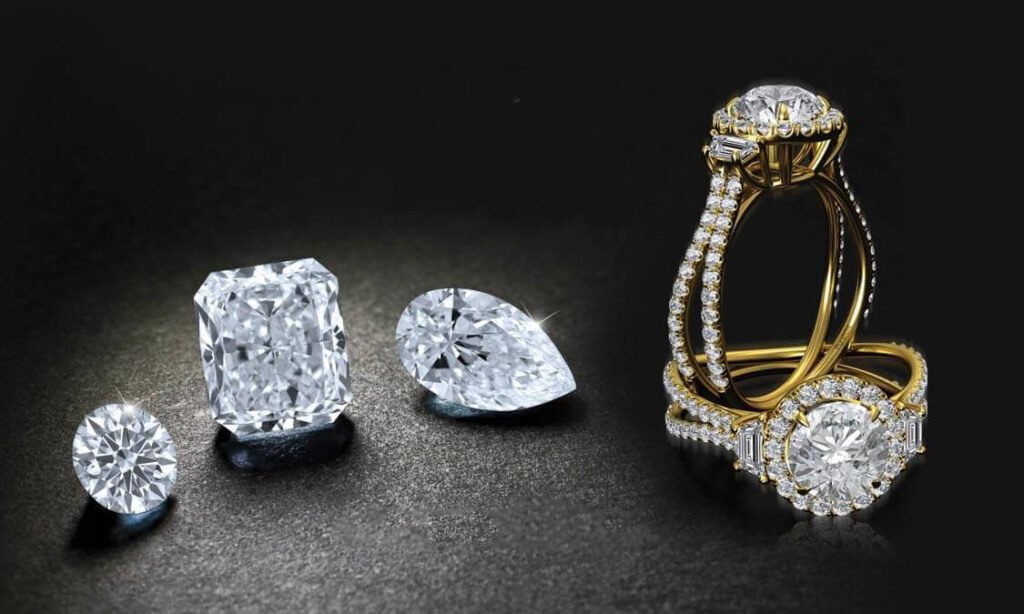
Choosing an engagement ring is a meaningful decision, and today’s couples have more options than ever before. A lab-grown diamond engagement ring offers the classic beauty, durability, and brilliance associated with diamonds while providing another option for shoppers who want a diamond created using modern technology. From timeless round cuts to distinctive emerald and oval shapes, lab grown diamonds are available in a wide range of styles, sizes, and designs.
If you are considering a lab grown diamond for an engagement ring, understanding how these diamonds are made, how they compare with mined diamonds, and what to look for when shopping can help you make a confident choice.
What Is a Lab Grown Diamond?
A lab grown diamond is a real diamond created in a controlled laboratory environment rather than formed naturally beneath the Earth’s surface. It has essentially the same crystal structure and chemical composition as a mined diamond.
Two primary technologies are used to create lab grown diamonds: Chemical Vapor Deposition (CVD) and High Pressure High Temperature (HPHT).
CVD technology creates diamond by depositing carbon onto a diamond seed in a controlled chamber. HPHT technology recreates conditions similar to those involved in natural diamond formation by using high pressure and high temperature.
Once the rough diamond is created, it can be cut and polished just like a mined diamond. The finished stone can exhibit the same types of brilliance, fire, and sparkle that shoppers expect from a traditional diamond.
Why Choose a Lab Grown Diamond Engagement Ring?
One of the biggest advantages of choosing a lab grown diamond engagement ring is the variety available to modern shoppers. Because lab grown diamonds can be produced in controlled environments, buyers can explore different carat weights, shapes, qualities, and designs according to their preferences.
1. Real Diamond Beauty
Lab grown diamonds are not diamond imitations such as cubic zirconia or some diamond simulants. They are diamonds with the same fundamental carbon crystal structure as mined diamonds.
This means they can provide the brilliance and hardness expected from a diamond engagement ring.
2. Wide Range of Styles
Whether you prefer a classic solitaire, an elegant halo setting, or a contemporary three-stone design, lab grown diamonds can be incorporated into many engagement ring styles.
Popular diamond shapes include:
- Round brilliant
- Oval
- Cushion
- Emerald
- Princess
- Pear
- Radiant
- Marquise
- Asscher
Each shape creates a different visual effect. Round diamonds are known for their classic brilliance, while oval and pear shapes can create an elongated appearance on the finger.
3. Different Carat Options
Lab grown diamonds are available in a broad range of carat weights. This gives couples flexibility when choosing a ring that suits their preferred appearance and budget.
However, carat weight should not be the only consideration. Two diamonds with the same carat weight can look very different depending on their cut, proportions, color, and clarity.
4. Modern Manufacturing Technology
The technology used to create lab grown diamonds has developed significantly. Advanced processes allow manufacturers to create diamonds under controlled conditions and then cut and polish them for use in jewelry.
For buyers interested in modern approaches to diamond production, this can be an appealing alternative to traditionally mined stones.
Lab Grown vs. Mined Diamonds
The main difference between lab grown and mined diamonds is their origin.
A mined diamond forms naturally underground over extremely long geological periods and is later extracted through mining. A lab grown diamond is created by technological processes in a controlled environment.
From a physical and chemical perspective, lab grown diamonds and natural diamonds share the same basic diamond structure. Specialized gemological equipment may be used to distinguish their origin.
The choice ultimately depends on what matters most to the buyer, including personal preferences, design, budget, and the significance they place on a diamond’s origin.
How to Choose the Right Lab Grown Diamond Engagement Ring
Selecting an engagement ring involves more than choosing a beautiful setting. The diamond itself should complement the design and suit the wearer’s lifestyle.
Consider the Diamond Shape
Start by selecting a diamond shape that matches the recipient’s personal style.
A round lab grown diamond engagement ring offers a traditional and highly recognizable appearance. An oval diamond provides a softer, elongated look, while an emerald cut creates a sophisticated appearance through its distinctive step-cut facets.
For someone who prefers something less conventional, pear, marquise, or radiant cuts can provide a distinctive alternative.
Pay Attention to Cut Quality
Cut is particularly important because it influences how effectively a diamond interacts with light.
A well-cut diamond can display strong brilliance and attractive sparkle. When comparing stones, consider the proportions, symmetry, polish, and overall cut quality rather than focusing solely on carat weight.
A smaller diamond with excellent cut quality may appear more lively and attractive than a larger stone with weaker proportions.
Understand Color
Diamond color is commonly evaluated on a scale ranging from colorless to increasingly noticeable color.
For a traditional white-diamond appearance, many shoppers prefer stones in the colorless or near-colorless ranges. However, the ideal choice depends on the setting, diamond shape, and personal preference.
Certain settings, particularly yellow or rose gold, can also complement slightly warmer diamond tones.
Evaluate Clarity
Clarity refers to the presence of internal characteristics, commonly called inclusions, and surface characteristics known as blemishes.
Higher clarity grades generally have fewer visible characteristics. However, not every inclusion affects a diamond’s appearance.
For an engagement ring, many shoppers prioritize a diamond that appears clean to the unaided eye rather than automatically choosing the highest available clarity grade.
Choose a Suitable Setting
The setting protects the diamond while contributing significantly to the overall appearance of the ring.
Popular engagement ring settings include:
Solitaire: A single center diamond creates a clean and timeless appearance.
Halo: Smaller diamonds surround the center stone, adding additional sparkle and creating a more elaborate look.
Three-stone: A center diamond is complemented by two side stones, creating a meaningful and balanced design.
Pavé: Small diamonds are set closely together along the band for additional brilliance.
Bezel: A metal rim surrounds the diamond, offering a sleek appearance and additional protection around the stone.
The right setting should balance appearance, comfort, durability, and everyday practicality.
Lab Grown Diamond Engagement Ring Shapes to Consider
Different diamond shapes can dramatically change the appearance of an engagement ring.
Round
The round brilliant is one of the most recognizable diamond shapes. Its faceting pattern is designed to maximize light return and create noticeable sparkle.
Oval
Oval diamonds offer a graceful appearance and can create an elongated visual effect. They are especially suitable for shoppers looking for something classic but slightly different from a round diamond.
Emerald
Emerald-cut diamonds feature broad, step-cut facets that create flashes of light rather than the intense sparkle associated with brilliant cuts. Their clean lines give engagement rings a sophisticated appearance.
Cushion
Cushion diamonds combine a square or rectangular outline with rounded corners. Their appearance can range from traditional to contemporary depending on the proportions and setting.
Pear
Pear-shaped diamonds combine characteristics of round and marquise cuts. They can be worn with the point facing toward or away from the hand, depending on the desired style.
Are Lab Grown Diamonds Durable?
Yes. Lab grown diamonds have the characteristic hardness associated with diamond. Diamond ranks at the top of the Mohs scale of mineral hardness, making it well suited to jewelry intended for regular wear.
However, hardness does not mean a diamond is impossible to damage. Strong impact, poor setting design, or accidental contact with hard surfaces can still cause damage or affect the setting.
Regular inspections and appropriate jewelry care can help maintain the ring’s appearance over time.
How to Care for Your Lab Grown Diamond Engagement Ring
Proper maintenance can help keep an engagement ring looking bright and beautiful.
Clean the ring regularly using a gentle jewelry-cleaning method appropriate for the metal and setting. Avoid harsh household chemicals and abrasive materials that could damage the setting or finish.
It is also a good idea to remove the ring when performing activities that could expose it to significant impact, chemicals, or unnecessary wear.
Professional inspection can help identify loose stones, worn prongs, or other setting issues before they become more serious.
Why Certification Matters
When purchasing a lab grown diamond, ask whether the stone has been evaluated by a reputable independent gemological laboratory.
A grading report can provide information about important characteristics such as carat weight, color, clarity, cut-related characteristics, measurements, and whether the diamond is laboratory-grown.
Reviewing the report allows you to compare diamonds using documented characteristics instead of relying only on photographs or descriptions.
Lab Grown Diamond Engagement Ring Trends
Modern engagement ring preferences continue to include both classic and contemporary designs. Some popular directions include elongated diamond shapes, minimalist solitaire settings, vintage-inspired details, hidden halos, and mixed-metal designs.
Customization is also increasingly important for couples who want an engagement ring that reflects their personal story.
For example, a simple oval lab grown diamond can be paired with a delicate band for a minimalist look, while a larger emerald-cut diamond can create a more sophisticated statement.
The best design is ultimately one that matches the wearer’s style and can comfortably become part of everyday life.
Frequently Asked Questions
Is a lab grown diamond a real diamond?
Yes. A lab grown diamond is a diamond created using technological processes in a laboratory. It has the fundamental crystal structure and chemical composition associated with diamond.
How long do lab grown diamonds last?
With proper care, a lab grown diamond can last for generations. Like natural diamonds, they are highly durable and suitable for engagement rings.
Are lab grown diamonds available in different shapes?
Yes. Lab grown diamonds are available in many popular shapes, including round, oval, emerald, cushion, pear, radiant, marquise, and princess cuts.
What should I prioritize when buying a lab grown diamond?
Consider cut quality, color, clarity, carat weight, diamond shape, certification, and the quality of the ring setting. Your priorities should reflect the appearance and style you want rather than focusing on a single specification.
Can a lab grown diamond be customized into an engagement ring?
Yes. Lab grown diamonds can be paired with a wide range of metals, settings, accent stones, and band designs to create a customized engagement ring.
Find a Lab Grown Diamond Engagement Ring That Fits Your Style
A lab grown diamond engagement ring can combine traditional diamond beauty with modern production technology. With numerous shapes, carat weights, clarity levels, settings, and design styles available, couples can explore a wide selection before choosing a ring that fits their preferences.
Take time to compare diamond characteristics, review grading documentation, consider the setting carefully, and choose a design that feels comfortable for everyday wear. A thoughtful combination of diamond quality and ring design can create an engagement ring that remains meaningful for years to come.