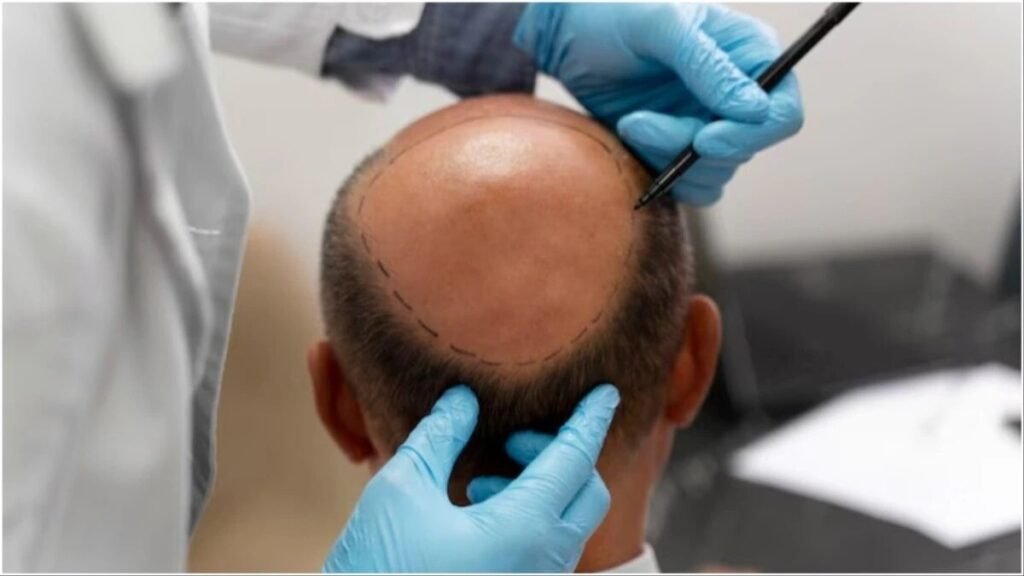
Hair restoration has become an increasingly considered option for people experiencing noticeable thinning, receding hairlines, or pattern hair loss. However, a successful procedure depends on much more than simply undergoing a transplant. The quality of the assessment, suitability of the chosen technique, donor hair condition, surgical planning, aftercare, and realistic expectations all contribute to the final outcome. Anyone considering a Hair Transplant in Ras Al Khaimah UAE should therefore focus on the factors that influence both immediate safety and long-term hair growth.
A well-planned transplant begins with understanding why hair loss is occurring. Male and female pattern hair loss, hereditary factors, hormonal influences, previous procedures, and certain scalp conditions can affect treatment planning. A detailed consultation allows the practitioner to assess the scalp, donor area, hair density, hair calibre, and the pattern of future hair loss before recommending an approach.
Modern transplantation techniques can provide natural-looking improvements when they are appropriately selected and carefully performed. The objective is not simply to place as many grafts as possible. Instead, graft distribution should complement the patient’s facial proportions while protecting the donor supply for potential future needs.
Accurate Hair Loss Assessment
Proper diagnosis is one of the most important foundations of successful hair restoration. Before treatment, the scalp and donor area should be evaluated carefully. The extent and pattern of hair loss, existing density, hair characteristics, and potential progression should all be considered.
A professional assessment can also help determine whether transplantation is appropriate or whether another hair-loss management approach should be considered first. This is particularly important for younger individuals whose pattern of hair loss may still be developing.
Thoughtful Hairline Design
A natural hairline should look appropriate not only immediately after treatment but also as the patient ages. Designing the frontal hairline requires consideration of facial structure, age, existing hair density, and the amount of available donor hair.
Overly low or artificially straight hairlines may consume valuable grafts and potentially look less natural over time. A carefully planned hairline generally incorporates subtle variations in direction and density to create a more natural transition between the forehead and transplanted hair.
Choosing the Appropriate Technique
Different transplantation methods can be suitable for different patients. Follicular Unit Extraction (FUE), Direct Hair Implantation (DHI), and other modern approaches differ in how follicles are extracted, prepared, and implanted.
The best technique should be selected according to individual characteristics rather than popularity. Factors such as donor density, graft requirements, hair texture, treatment area, and the desired outcome should influence the decision.
Technology can improve precision and workflow, but equipment alone does not determine the quality of a transplant. Surgical judgment, anatomical knowledge, graft handling, and implantation technique remain essential.
Protecting the Donor Area
The donor area contains a limited supply of follicles, making its preservation critical. Excessive or poorly distributed extraction can create visible thinning and reduce the options available for future treatment.
A successful treatment plan should therefore balance current restoration with long-term donor management. Grafts need to be harvested strategically while maintaining an appearance that remains natural even if additional treatment becomes necessary later.
Careful Graft Handling
Hair follicles are delicate structures. Their condition during extraction, preparation, storage, and implantation can influence their ability to survive and grow.
Minimizing unnecessary manipulation and maintaining appropriate handling procedures are important parts of the transplantation process. The placement of grafts should also account for their natural growth direction and angle so that the restored hair blends effectively with existing hair.
Patient-Specific Treatment Planning
No two hair-loss cases are exactly alike. A person with mild frontal recession may require a very different strategy from someone experiencing extensive crown thinning.
For individuals considering a Hair Transplant in Ras Al Khaimah UAE, personalized planning should take into account current hair loss as well as possible future progression. A comprehensive plan may address the hairline, mid-scalp, crown, donor reserves, and long-term maintenance rather than focusing exclusively on one visible area.
Safety and Clinical Standards
Safety should remain a priority throughout the procedure. Appropriate infection-control practices, sterile equipment, patient monitoring, medical history assessment, and qualified clinical personnel are essential considerations.
Patients should also disclose relevant medications, allergies, previous procedures, and existing medical conditions during consultation. Clear communication helps the medical team identify potential risks and determine whether additional precautions are necessary.
The Importance of a Detailed Consultation
A consultation should provide more than a basic discussion of the procedure. Patients should have an opportunity to understand the recommended technique, expected recovery, possible limitations, potential complications, and realistic timeline for growth.
A trustworthy consultation also avoids guaranteeing a particular outcome. Hair growth varies between individuals, and transplanted follicles generally require time before visible improvement develops. Understanding this timeline can help patients maintain realistic expectations throughout recovery.
Aftercare and Long-Term Hair Management
The procedure itself is only one stage of hair restoration. Following postoperative instructions carefully can support healing and reduce avoidable complications. Patients may receive specific guidance regarding scalp washing, physical activity, sleeping positions, medications, and protection of the treated area.
Long-term hair management may also be relevant because transplantation does not necessarily prevent untreated native hair from continuing to thin. Depending on the diagnosis, a healthcare professional may discuss suitable maintenance strategies to help preserve existing hair.
How to Choose the Right Clinic for Hair Transplant in Ras Al Khaimah UAE
Experience and Qualifications
Look for appropriately qualified medical professionals with relevant experience in hair restoration. Ask about their training, the number and type of procedures they perform, and whether they regularly manage cases similar to yours.
Technology and Techniques
Modern equipment can support accurate assessment, extraction, and implantation, but technology should complement clinical expertise rather than replace it. Ask why a particular technique is being recommended for your individual case.
Safety Standards
The facility should demonstrate appropriate hygiene, infection-control procedures, emergency preparedness, and professional clinical standards. Patient safety should be discussed openly during consultation.
Consultation Process
A thorough consultation should include assessment of the scalp and donor area, discussion of hair-loss progression, treatment planning, and an explanation of realistic expectations. Avoid making decisions based solely on promotional material.
Patient Experience
Consider how clearly the clinical team communicates before and after treatment. Accessible postoperative guidance and responsive communication can make the recovery process more manageable.
Expected Results
Understand that results develop gradually. Transplanted hair commonly requires several months before meaningful growth becomes apparent, with the final appearance taking longer to mature. Individual outcomes depend on factors including donor quality, follicle characteristics, technique, healing, and ongoing hair loss.
Frequently Asked Questions
Is Hair Transplant in Ras Al Khaimah UAE suitable for everyone?
Not necessarily. Suitability depends on the cause and severity of hair loss, donor hair availability, scalp condition, general health, and individual expectations. A professional assessment is necessary before deciding whether transplantation is appropriate.
How long does it take to see hair transplant results?
Hair growth develops gradually rather than immediately. Early changes may occur during the first several months, while more substantial growth and maturation generally require additional time. The exact timeline varies between patients.
What makes a hair transplant look natural?
Natural results depend on appropriate hairline design, correct graft placement, suitable density, matching the direction of existing hair, and careful use of the donor supply. Individual planning is particularly important.
Can transplanted hair fall out after the procedure?
Some shedding can occur during the early recovery period and does not necessarily mean the treatment has failed. Patients should follow postoperative instructions and discuss unexpected or persistent changes with their healthcare professional.
How can I improve the chances of a successful transplant?
Selecting an appropriately qualified provider, undergoing a detailed assessment, following the recommended treatment plan, protecting the donor area, adhering to aftercare instructions, and maintaining realistic expectations can all contribute to a better overall experience.
Conclusion
Successful hair restoration depends on careful planning rather than a single factor. Accurate diagnosis, thoughtful hairline design, appropriate technique selection, donor-area preservation, careful graft handling, clinical safety, and consistent aftercare all play important roles in achieving a natural-looking outcome. Anyone considering a Hair Transplant in Ras Al Khaimah should prioritize qualified medical assessment and individualized planning instead of choosing treatment based solely on marketing claims. A well-informed decision can help patients approach the procedure with realistic expectations and a clearer understanding of both its potential benefits and limitations.