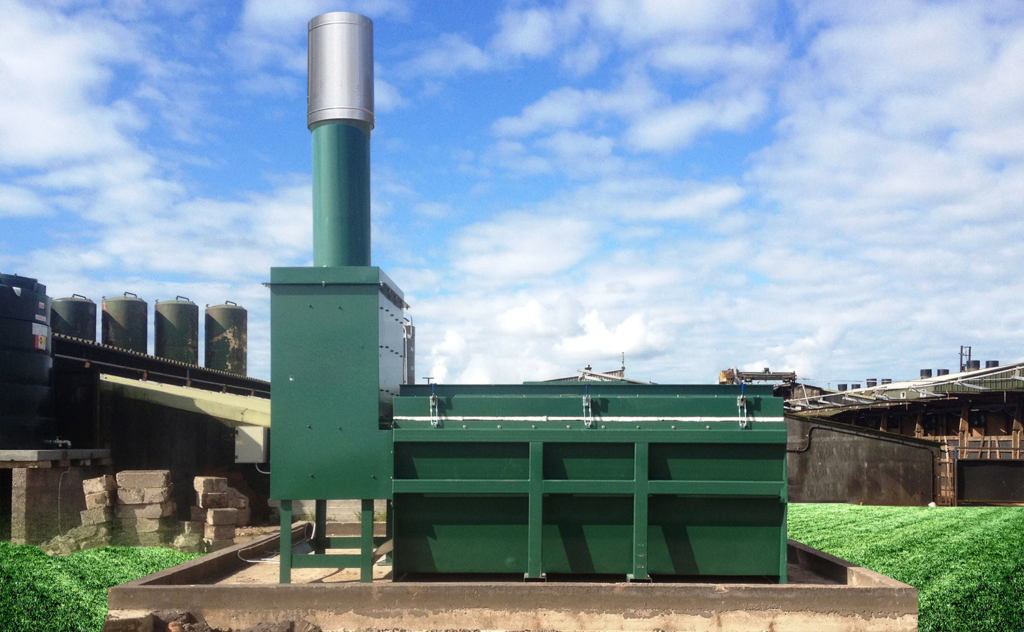
Managing waste produced by animals is important for all farms and related businesses to effectively do so. If not disposed of properly, the carcasses of animals and other animal wastes can lead to health and environmental hazards. With the use of a small animal waste incinerator, animal carcasses can be safely and legally disposed of, and it helps in maintaining a safe and clean environment on the farm.
What is a Small Animal Waste Incinerator?
A small animal waste incinerator is a device used for the disposal of carcasses by the process of animal waste combustion. These types of incinerators find their application in various animal related businesses including livestock farms, poultry farms, veterinary clinics, hatcheries, and other related agricultural businesses.
With the help of a small animal waste incinerator, the farmers need not leave the animal carcasses on the farm or use other time consuming and inconvenient ways of carcass disposal. A convenient on farm way of animal waste disposal can help the farmers in farm waste management.
Improves Farm Hygiene
Dead animal carcasses often lead to the buildup of waste and attract various pests. Decomposition of animal carcasses leads to the buildup of noxious gases and various pathogens.
By quickly removing the carcasses through an incinerator, the buildup of noxious gases and various pathogens on the farm is prevented, thus improving the hygiene of the farm.
Aids in Biosecurity
Pathogens that may be present in animal carcasses may contaminate the environment, equipment, and other farm resources and pose a threat to the farm animals if not disposed of properly. Using a small animal waste incinerator aids in the safe and quick disposal of the contaminated carcasses, thus maintaining farm biosecurity.
Controlled thermal treatment of poultry carcasses reduces the volume of waste requiring further handling. The remains are completely or almost completely converted to ash.
Combined with appropriate controls, incineration can remove the need to handle waste carriers. The treated remains can be landfilled.
Implementation
Poultry farms produce mortality waste due to the high stocking density of birds. The regular accumulation of daily mortality can be problematic.
A poultry waste incinerator can create a means for the routine removal of poultry mortality waste.
Other benefits
Incineration reduces the volume of waste, which can be a significant benefit. Ash from the remains is much less volume than the original waste.
Removal of waste will be easier and less dependent on storage space of carcasses. Incineration of carcasses produces ash, which also must be disposed of, and is subject to the same laws and regulations.
Increased Control
From a farm’s perspective, locating a small animal waste incinerator on site increases the ability to control the time and the manner in which farm animal mortality waste is disposed of.
A farm must carefully consider the size of the equipment and be in compliance with all regulations relating to emissions, the incinerator, permits and the disposal of the ash.
Conclusion
Small animal waste incinerators provide a means to improve the control of waste on a farm, provide farm employees greater ability to implement biosecurity and farm waste management, and reduce the volume of waste on the farm. For poultry farms, a waste incinerator can provide a means to dispose of poultry waste, and improve the overall condition of the farm.