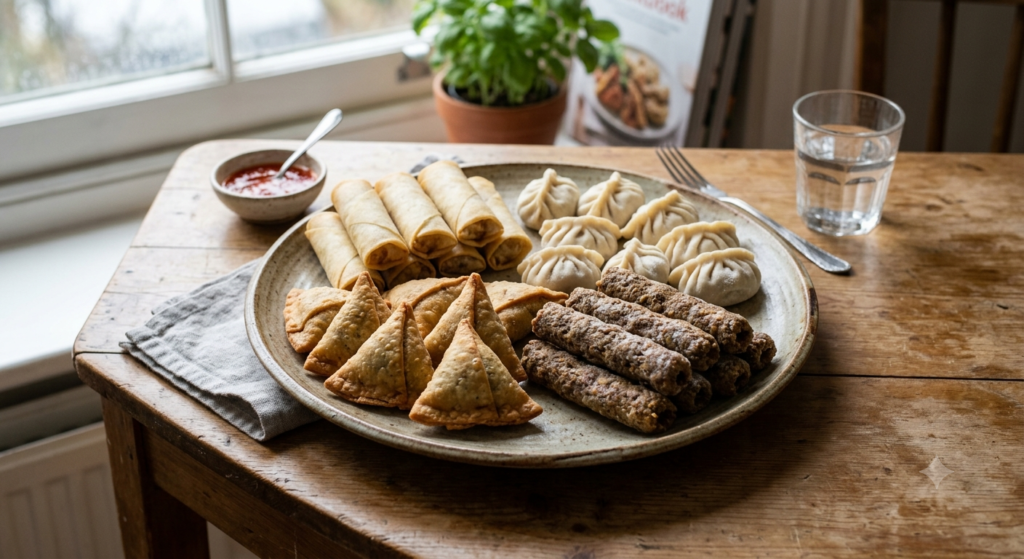
Choosing the right frozen foods can make everyday meal preparation easier, reduce food waste, and help families enjoy a variety of convenient meals. From frozen momos and samosas to spring rolls, parathas, and ready-to-cook snacks, these products offer practical options for busy households. However, not every product offers the same quality, ingredients, or storage standards.
Knowing what to check before purchasing can help you make informed decisions for your family. By understanding product labels, packaging, ingredients, storage requirements, and cooking instructions, you can select suitable options for your household and enjoy better results at mealtimes.
1. Understand Your Family’s Food Preferences
The first step in choosing quality frozen foods is understanding what your family enjoys eating. Consider everyone’s preferences, dietary requirements, and daily routine before deciding which products to purchase.
For example, families that enjoy Indian cuisine might prefer frozen samosas, momos, parathas, and spring rolls. These snacks can be useful for evening refreshments, weekend gatherings, or quick meals when time is limited.
Consider the following factors when selecting products:
- Taste preferences: Choose varieties that suit your family’s preferred flavors and spice levels.
- Dietary requirements: Check whether products contain ingredients that family members need to avoid.
- Meal occasions: Select suitable options for breakfasts, snacks, lunches, dinners, or parties.
- Serving sizes: Choose package sizes that match your household’s needs.
Planning purchases around your family’s eating habits can help prevent unnecessary spending and reduce food waste.
2. Check the Ingredients and Nutrition Information
Reading the product label is an important part of selecting suitable frozen foods. Ingredient lists provide information about what a product contains, while nutrition panels help you compare its nutritional characteristics.
Look for clear ingredient information and check the quantities of nutrients such as protein, carbohydrates, total fat, saturated fat, sodium, and sugar where listed. Your preferred nutritional profile will depend on your family’s needs and overall diet.
It is also useful to review the ingredient list for allergens, including milk, wheat, soy, peanuts, or other ingredients that may be relevant to your household. If someone has a food allergy, check the allergen declaration and cross-contact warnings carefully.
Do not assume that every frozen product is highly processed or nutritionally inferior to a fresh alternative. Products vary considerably, so evaluate each one individually.
Choosing products with transparent labeling makes it easier to understand what you are buying and decide whether they suit your household.
3. Inspect Packaging Before Buying
Packaging can provide useful clues about how a frozen product has been handled. Always examine the package before placing it in your shopping basket.
Choose products with sealed, intact packaging that protects the food from contamination and moisture loss. Avoid packages that are torn, leaking, open, or visibly damaged.
Also, look for the following signs:
- Excessive ice crystals: Large amounts of ice inside a package may indicate temperature fluctuations or moisture loss, although some ice can occur naturally.
- Unusual clumping: Products frozen into a solid mass may have experienced partial thawing and refreezing.
- Clear product information: The package should provide ingredient details, storage instructions, and cooking guidance.
- Suitable packaging condition: The seal should remain intact, without evidence of tampering.
When purchasing from a supermarket, select frozen items near the end of your shopping trip so they spend less time outside the freezer. Transfer them home promptly and keep them frozen according to the label instructions.
4. Verify the Expiry Date and Storage Instructions
Always check the printed date information before purchasing. Depending on the product and local labeling requirements, packaging may display a use-by date, best-before date, or other date marking.
Understand what the label means and follow the manufacturer’s instructions. A best-before date generally relates to expected quality, whereas a use-by date may relate to safety for certain foods. Do not rely on appearance or smell alone to determine whether a questionable product is safe.
Proper storage is equally important. Keep products frozen at the temperature specified on the packaging. For many frozen foods, a freezer temperature of -18°C or below is recommended for long-term storage.
At home, organize your freezer so products are easy to identify and older packages can be used first. Avoid leaving frozen items at room temperature for extended periods, and follow appropriate thawing instructions when thawing is required.
Good storage practices help maintain product quality and reduce the risk of unsafe handling.
5. Choose Products That Suit Your Cooking Routine
Convenience is one of the main reasons families purchase frozen foods. However, different products require different preparation methods, so consider how much time and equipment you have available.
For instance, frozen momos may be prepared using steaming or another method specified on the package. Samosas and spring rolls may require oven baking, air frying, or deep frying, depending on the product instructions.
Before buying, consider these questions:
- How long does the product take to prepare?
- Does it require thawing before cooking?
- Can it be cooked using your available kitchen equipment?
- How many servings does one package provide?
- Are the preparation instructions clear and practical?
Follow the manufacturer’s cooking directions and ensure the food reaches a safe internal temperature where applicable. Do not assume that a frozen product is ready to eat unless the label specifically confirms it.
Selecting products that fit your routine makes meal preparation more predictable and convenient.
6. Compare Price, Portion Size, and Overall Value
The cheapest package is not always the best value. When comparing frozen foods, consider the quantity provided, number of servings, ingredient quality, and preparation requirements.
For example, a larger pack may offer better value for a family that regularly eats the product. However, purchasing a large quantity that remains unused for a long time may not be practical for a smaller household.
Compare products using their price per kilogram or another consistent unit when possible. Check whether the package contains individual pieces that are easy to portion or whether the entire quantity is likely to be used at once.
It is also worth considering the convenience a product offers. A suitable frozen snack may help families prepare refreshments quickly without needing to assemble every ingredient from scratch.
The goal is to find a balance between cost, quality, convenience, and your family’s preferences.
7. Buy From a Reliable Frozen Food Brand or Retailer
The seller and manufacturer can influence your overall purchasing experience. Look for businesses that provide clear product information, appropriate packaging, and consistent handling practices.
Check whether the brand communicates storage conditions, ingredient details, cooking instructions, and customer support information. Reviews may also help you understand other customers’ experiences, although individual reviews should not replace your own assessment.
For families in the UAE, delivery and transport conditions are particularly important. Frozen products should be handled appropriately during transportation so that they remain at suitable temperatures.
Frozen Kiing offers a range of frozen snacks and convenient food products, including options such as momos, samosas, spring rolls, and parathas. Reviewing product details and preparation instructions can help customers determine which options best suit their household needs.
Whether shopping for weekly snacks or preparing for a family gathering, prioritize clear information, reliable handling, and products that fit your requirements.
8. Plan Your Purchases to Reduce Food Waste
Buying the right quantity is just as important as choosing the right product. A simple freezer inventory can help you track what you already have and avoid purchasing duplicate items.
Before shopping, check your existing stock and prepare a short list of the products your family needs. Consider planning several meals or snack occasions around the items already available.
Use older products first when appropriate, while always respecting date markings and storage guidance. Keep packages closed properly after opening and follow the manufacturer’s instructions for any remaining contents.
Avoid repeatedly thawing and refreezing food. If you need only part of a package, separate portions before storage when the product instructions and safe handling practices allow it.
A well-organized freezer helps families manage their budget, use available food efficiently, and maintain better control over meal planning.
Conclusion
Choosing quality frozen foods involves more than selecting an appealing package. Families should examine ingredients, nutrition information, packaging condition, date markings, storage requirements, cooking instructions, and overall value before making a purchase.
By buying from reliable sources, maintaining proper freezer conditions, and planning quantities carefully, you can enjoy the convenience of frozen snacks and meal ingredients while making informed choices for your household.
Frozen Kiing provides a variety of convenient frozen food options for customers looking to simplify everyday food preparation. Explore the available products, review their details, and choose options that match your family’s preferences and cooking routine.
FAQs
Q1. What should I look for when buying quality frozen foods?
Check the ingredient list, allergen information, date markings, packaging condition, storage instructions, and cooking directions. Choose products that suit your dietary requirements and household preferences.
Q2. Are frozen foods suitable for everyday meals?
Many frozen foods can be part of everyday meals. Their suitability depends on the ingredients, nutritional profile, portion size, and how they fit into your overall diet.
Q3. How should I store frozen foods at home?
Follow the product’s storage instructions and maintain the recommended freezer temperature. Many frozen foods are stored at -18°C or below. Keep packages sealed and avoid unnecessary temperature changes.
Q4. Is it necessary to thaw frozen foods before cooking?
Not always. Some products can be cooked directly from frozen, while others require thawing. Always follow the manufacturer’s instructions for the specific product.
Q5. How can I reduce food waste when buying frozen foods?
Plan purchases around your family’s needs, check your freezer inventory before shopping, use older products first where appropriate, and follow package instructions for storing opened products.