What Makes Distribution Blocks a Smart Choice for Modern Power Systems?
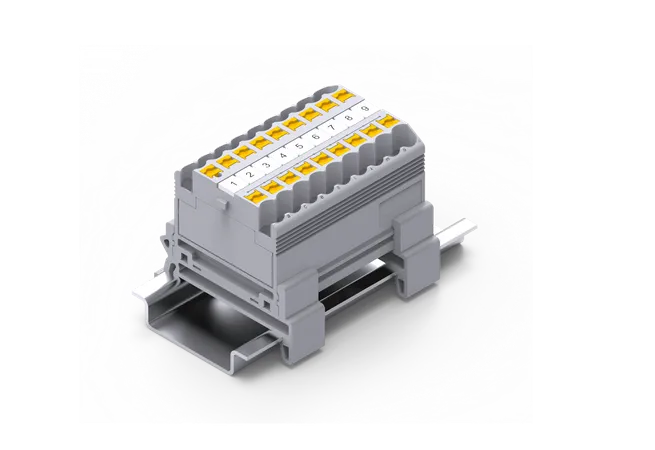
Distribution Blocks
Introduction to Distribution Blocks
Distribution Blocks are essential components that enable safe and organised power distribution within electrical systems. They are designed to take a single power input and distribute it efficiently to multiple outputs, ensuring smooth operation across connected devices.
In modern installations that include electronics, connectors, cables, and control equipment, maintaining a clean and structured layout is crucial. These components help achieve this by simplifying wiring and improving accessibility for engineers and technicians.
The Role of Distribution Blocks in Electrical Systems
Distribution Blocks act as central hubs that manage the flow of electrical power. Instead of running multiple wires directly from a source, these components allow all connections to be handled in one organised location.
This centralised approach enhances system efficiency and reduces the chances of wiring errors. It also makes future upgrades or modifications easier, as connections are clearly defined and accessible.
Key Functional Highlights
- Accept a single incoming power supply
- Distribute current across multiple output terminals
- Provide secure and stable connections
- Protect users through insulated housing
These features make these components a practical solution for both simple and complex systems.
Advantages of Using Distribution Blocks
The use of Distribution Blocks offers several operational and safety benefits that improve overall system performance.
Safer Electrical Connections
- Reduces exposure to live wires
- Minimises the risk of short circuits
- Supports proper grounding practices
Better System Organisation
- Keeps wiring structured and easy to manage
- Reduces clutter in electrical panels
- Improves visibility during inspections
Efficient Power Management
- Ensures balanced power distribution
- Supports consistent voltage delivery
- Enhances reliability of connected devices
Simplified Maintenance
- Makes it easier to locate and fix faults
- Reduces downtime during repairs
- Allows quick adjustments and upgrades
These benefits make them an essential part of modern electrical infrastructure.
Types and Their Uses
These components come in various designs to suit different applications and environments.
Terminal Type
These are commonly used in control panels and electrical boards. They provide simple and effective power distribution for standard applications.
Insulated Type
Insulated designs offer additional protection against accidental contact. They are ideal for environments where safety is a priority.
High Density Type
These support multiple connections in a compact space. They are suitable for systems with limited installation room.
Heavy Duty Type
Designed for high current applications, these are used in industrial systems that require strong and reliable performance.
Key Applications
These components are widely used across different sectors due to their flexibility and efficiency.
Industrial Control Systems
They distribute power to controllers, sensors, and switches, ensuring smooth operation of automated processes.
Electrical Panels and Cabinets
They help organise connections within panels, making systems easier to manage and maintain.
Power Distribution Networks
They are used to divide electrical supply across different circuits, ensuring balanced load distribution.
Renewable Energy Systems
In solar and energy storage setups, they manage power flow between various components.
Commercial Installations
They support structured wiring in buildings, improving safety and efficiency in electrical systems.
Materials and Construction Quality
The performance of these components depends on the materials used in their construction.
Conductive Materials
- Copper for excellent conductivity and low resistance
- Aluminium for lightweight and cost-effective solutions
Insulation Materials
- Heat-resistant plastics for durability
- Flame-retardant materials for enhanced safety
Structural Design
- Strong terminal connections for secure wiring
- Robust housing to withstand environmental conditions
High-quality materials ensure long-lasting performance and reliable operation.
Selecting the Best Option
Choosing the right components is essential for achieving optimal results.
Electrical Ratings
Ensure the unit can handle the required current and voltage. This prevents overheating and system failures.
Number of Terminals
Select a unit with enough terminals to support all connections without overcrowding.
Mounting Options
- DIN rail mounting for industrial systems
- Surface mounting for fixed installations
Environmental Compatibility
Consider factors such as temperature, moisture, and dust when selecting a unit.
Making the right choice ensures efficiency, safety, and long-term reliability.
Installation Tips for Reliable Operation
Proper installation plays a key role in performance.
Preparation
- Disconnect power before installation
- Inspect cables and connectors for compatibility
Installation Process
- Strip wires to the correct length
- Insert cables securely into terminals
- Tighten connections without causing damage
Testing
- Check all connections before powering the system
- Verify proper distribution across outputs
Following these steps ensures safe and efficient operation.
Maintenance Practices for Longevity
Regular maintenance helps keep systems in optimal condition.
Inspection
- Check for loose or damaged connections
- Look for signs of overheating
Cleaning
- Remove dust and debris from terminals
- Ensure proper airflow around components
Preventive Care
- Use appropriate tools during maintenance
- Follow safety standards at all times
Routine maintenance reduces the risk of failures and extends system lifespan.
Importance in Advanced Electrical Systems
These components are critical in modern systems that rely on precise power management. They support the integration of sensors, controllers, and advanced electronics.
By maintaining stable connections and reducing wiring complexity, they help improve system performance and efficiency. This is especially important in automation, where reliability is essential.
Future Developments
The evolution of electrical systems is driving innovation in these components.
Smart Features
- Integration with monitoring tools for real-time performance tracking
- Compatibility with advanced control systems
Compact Designs
- Space-saving structures for modern installations
- Increased connection capacity within smaller units
Enhanced Safety
- Improved insulation materials
- Better protection against electrical faults
These advancements ensure continued relevance in future technologies.
Conclusion
Distribution Blocks remain a key element in efficient and safe power distribution. They simplify wiring, improve organisation, and support reliable operation across a wide range of applications.
From industrial environments to commercial installations, their ability to manage electrical connections effectively makes them indispensable. By selecting the right type, installing them properly, and maintaining them regularly, users can achieve long-lasting performance and dependable results.