Data-driven website personalization strategies for modern web growth
Visitors come to your website in search of information; you want your site to have a flow that is easy for them to navigate and get what they need. A new visitor is searching for general information and someone who is a customer or client is searching for something specific, a product, service, or contact. Providing them both the same path could be a missed opportunity.
This is where data-driven personalization becomes useful.
Modern businesses can use website behavior, customer information, search intent, and engagement patterns to create more relevant digital experiences. The goal is not to make every visitor see something completely different. Instead, it is about using reliable data to make useful content, recommendations, and calls to action more relevant.
For businesses investing in digital marketing websites, personalization can become an important part of turning traffic into meaningful engagement and long-term growth.
What Is Data-Driven Website Personalization?
Data-driven personalization uses information about visitors and their interactions with a website to improve their experience.
The data might include pages viewed, previous interactions, referral sources, location at a broad level, device type, purchase history, or engagement with specific content. Businesses can use these signals to understand what visitors are interested in and adjust the experience accordingly.
For example, a visitor who repeatedly reads B2B service articles may respond better to a case study or consultation offer than to a generic homepage message.
The important point is that personalization should serve a clear user need. Collecting information simply because it is available does not automatically create a better experience.
Use Behavioral Data to Understand Visitor Intent
One of the most effective personalization techniques is by observing what visitors actually do.
Page views, paths followed, searches made, items downloaded, video views and form submissions may uncover trends not seen in ‘raw’ traffic statistics.
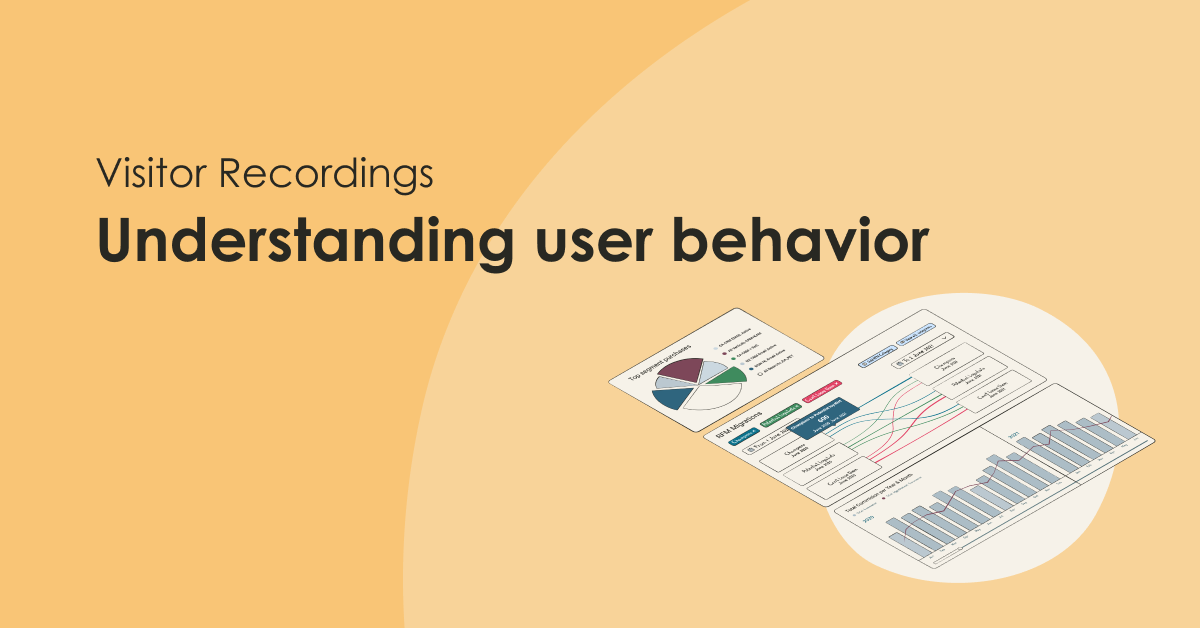
Suppose visitors who read several educational articles frequently move to a particular service page before submitting a form. That pattern could indicate that educational content is helping prospects move closer to conversion.
Businesses can then strengthen the connection between those pages with relevant internal links, contextual calls to action, or recommended resources.
Look Beyond Simple Page Views
Not every visit has the same value.
A visitor who takes the time to read a comprehensive service page is likely to have a different level of interest than someone who returns to the search results after clicking one link. Engage is just one of several signals to consider.
This makes personalization more useful because decisions are based on behavior patterns rather than assumptions.
Personalize Content Around the Customer Journey
Different visitors can have very different questions depending on where they are in the buying journey.
Someone discovering a problem may need educational content. A visitor comparing providers may want case studies, reviews, features, or implementation details. A prospect who already understands the solution may be ready for a consultation or pricing discussion.
Websites can support these different stages by presenting relevant next steps.
For example, an informational article could recommend a related guide, while a high-intent service page could highlight relevant results or an easy way to contact the business.
This type of personalization feels natural because it follows the visitor’s existing intent.
Create Smarter Calls to Action
A single call to action across an entire website is rarely ideal.
A first-time visitor may not be ready to request a sales call. Asking for a major commitment too early can create unnecessary friction.
Instead, businesses can match calls to action with content and visitor intent.
A beginner-focused article might encourage someone to explore another educational resource. A detailed service page could invite the visitor to schedule a consultation. Returning visitors may benefit from more direct actions based on their previous interactions.
Keep Personalization Helpful, Not Intrusive
There is a fine line between relevance and over-personalization.
Visitors may become uncomfortable when a website appears to know too much about them. Personalization should therefore be transparent, proportionate, and focused on improving the experience.
Businesses also need to follow applicable privacy requirements and provide appropriate choices around data collection and tracking.
Trust should remain more important than personalization for its own sake.
Use Recommendations to Increase Content Discovery

Content recommendations can keep visitors engaged by helping them discover information related to what they are already reading.
For example, someone reading about website conversion optimization could see related content about landing pages, analytics, user experience, or lead generation.
This creates a more connected experience while helping important content receive additional visibility.
For digital marketing websites with large content libraries, recommendation systems can also reduce the chances that useful older content becomes buried.
Learn From the Best Agency Websites
Many of the best agency websites demonstrate an important principle: personalization works best when it supports a clear user journey rather than distracting from it.
Strong agency websites typically make their services easy to understand, demonstrate expertise through useful content, and provide clear next steps.
Businesses can apply the same thinking without copying another website’s design. The focus should be on understanding what visitors need at different stages and removing unnecessary friction.
Measure Personalization Against Business Outcomes

Personalization should be measured against meaningful outcomes.
Businesses can compare metrics such as engagement, conversion rates, lead quality, returning visits, content consumption, and completed actions before and after personalization changes.
A useful test might compare two calls to action or two versions of a recommendation. The objective is to determine whether the change actually improves the visitor experience and contributes to business goals.
Pros, Cons, and Common Questions
Benefit 4: More relevant, relevant, relevant Data-driven personalization ensures a better user experience on our sites, with less friction, easier content discovery, more compact and better-converting browsing paths and much better knowledge of its users.
There are challenges too, however. It’s necessary to gather and manage appropriate information and experiences in order to be personalised. Inaccurate data can result in improper personalisation, or too much personalisation can make the visitor feel uncomfortable. It might also lead to more privacy management, and additional development and analytics.
Does every website need advanced personalization?
Not necessarily. A small website may benefit from improving navigation, content, speed, and basic conversion paths more than from sophisticated personalization.
What data is most useful for personalization?
Behavioral signals – including pages viewed, content engaged, prior engagement, and conversions activity – may be relevant. Which data you’ll want will depend on your business model and customer journey.
Can personalization hurt SEO?
Personalization does not necessarily negatively impact search performance. But ensure that crucial content is exposed to search engines and that the personalization does not lead to site issues, duplicate content, or subpar user experiences.
Conclusion

Personalization based on data and analytics is no longer about delivering an eye-catching experience to your visitors. Instead, it’s about providing your visitors the exact information they need at the exact time they need it.
Begin with basic behavioral data and relevant content recommendations, improved calls to action, and customer-journey analysis. As the company evolves, the amount and type of data and technology can be scaled accordingly, without compromising user privacy.
The best digital experiences aren’t everything personalized. They are moments of personalization that matter.
For companies creating or enhancing digital marketing websites, this means applying data with a specific goal: identify user intent, eliminate frustration, provide relevant content, and assist in guiding them to the next step. When personalized experiences are rooted in real customer needs rather than hypotheses, it can be a non-harmful factor in web development.