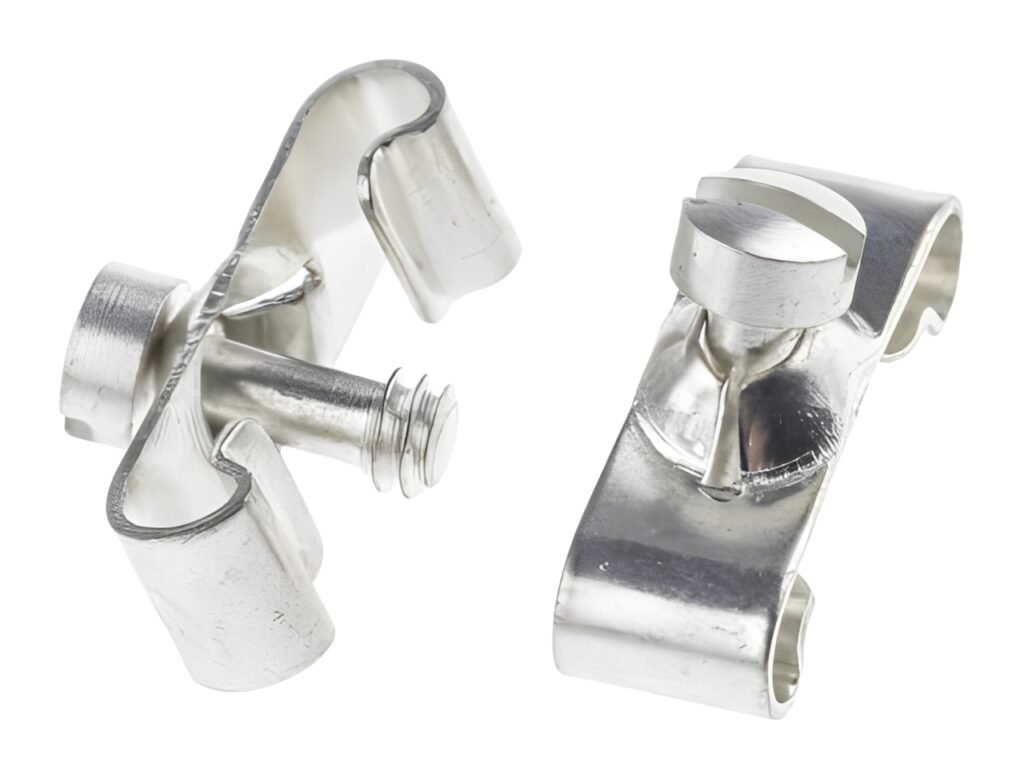
D Sub Connector Accessories
A dependable electronic connection is built from more than a plug and socket. The surrounding components determine how well the connector handles cable movement, vibration, interference, repeated servicing, and long-term use. This is why D Sub Connector Accessories play an important role in industrial, commercial, and technical equipment.
These accessories help complete the connector assembly by adding protection, mechanical support, secure fastening, shielding, and cable control. They also make installation cleaner and maintenance easier. When selected correctly, they can reduce faults that may otherwise develop around exposed contacts, unsupported cables, or loose mating connections.
Understanding the Role of D Sub Connector Accessories
D Sub connectors are used for transmitting signals, data, and control information between devices. Their metal shell and shaped interface support reliable alignment, but many applications require additional protection around the connector.
D Sub Connector Accessories provide this additional support. They are used to protect the cable termination area, stabilise the connector, prevent unwanted separation, and improve resistance to environmental or mechanical stress.
Their main purposes include:
- Protecting wires and contact terminations
- Securing the connector during operation
- Supporting the cable at the entry point
- Reducing strain caused by pulling or bending
- Improving protection against dust and debris
- Supporting cable shielding
- Simplifying installation and servicing
- Maintaining an organised equipment layout
How Do Accessories Protect the Cable Termination Area?
The rear section of a D Sub connector is often where individual wires are soldered, crimped, or fitted into insulation displacement contacts. This area can be vulnerable if it remains exposed.
A connector hood or backshell creates a protective enclosure around the terminations. It prevents wires from being bent accidentally and reduces direct contact with dust, tools, or nearby components.
A well-fitted enclosure can also help prevent individual conductors from moving inside the assembly. This is particularly important where the cable is regularly handled or where equipment experiences vibration.
Choosing Between Plastic and Metal Enclosures
Plastic hoods are suitable for many standard indoor applications. They are lightweight, electrically insulating, and generally easy to assemble.
Metal hoods are more appropriate where additional strength or electrical shielding is required. Their conductive construction can help create a shielded path around the connector and cable termination.
The choice depends on:
- Operating environment
- Required mechanical strength
- Shielding requirements
- Equipment weight restrictions
- Available installation space
- Expected servicing frequency
Why Is Strain Relief Essential?
Cable movement is one of the most common causes of connector damage. When a cable is pulled, twisted, or repeatedly bent, force may be transferred directly to the contacts and wire terminations.
Strain relief accessories secure the outer cable jacket so that movement is absorbed by a stronger part of the assembly. This protects the smaller internal conductors from mechanical stress.
Without effective strain relief, an installation may experience:
- Broken internal conductors
- Loose crimp connections
- Cracked solder joints
- Intermittent signal loss
- Increased electrical resistance
- Premature connector failure
Strain relief is especially useful in test equipment, portable devices, factory machinery, robotics, and vehicle systems.
Which Fastening Components Keep Connections Secure?
D Sub connectors are often fitted with jack screws, thumb screws, threaded inserts, or retaining hardware. These components hold the mating connector halves together after insertion.
Fastening accessories prevent the connector from gradually loosening because of vibration, cable weight, or accidental movement. They also help maintain correct alignment between the contacts.
Common fastening components include:
- Jack screws
- Thumb screws
- Locking posts
- Threaded inserts
- Retaining nuts
- Mounting washers
- Panel brackets
Thread type and fastener length must match the connector design. An incompatible fastener may appear suitable but can damage the thread or fail to hold the assembly securely.
How Do Cable Entry Options Improve Installation?
Equipment layouts do not always provide enough space for a cable to exit directly behind the connector. D Sub Connector Accessories can offer different cable entry directions to support better routing.
Straight Cable Exit
A straight cable exit allows the cable to continue directly away from the connector. This configuration works well in open cabinets, larger enclosures, and equipment racks with sufficient rear clearance.
Side or Angled Cable Exit
A side or angled exit directs the cable away from the rear of the connector. It is useful in shallow enclosures, compact equipment, and densely populated control panels.
Correct cable entry selection can:
- Reduce sharp bends
- Prevent cable crushing
- Improve airflow
- Support organised wiring
- Make maintenance easier
- Reduce mechanical pressure on the connector
What Is the Purpose of Protective Covers?
Unused D Sub interfaces can become contaminated or damaged if they remain uncovered. Dust, moisture, metal particles, and workshop debris may enter the contact area and interfere with future connections.
Protective caps and dust covers shield unused ports during storage, transport, maintenance, or periods of inactivity. Some covers are secured with screws, while others use flexible straps or retaining chains.
They are particularly useful for:
- Industrial control panels
- Portable test equipment
- Outdoor enclosures
- Transport systems
- Laboratory devices
- Equipment kept in storage
A protective cover is a simple accessory, but it can prevent cleaning work, damaged contacts, and unnecessary connector replacement.
How Do Shielding Accessories Reduce Electrical Interference?
Sensitive signals can be affected by electromagnetic interference from motors, relays, power supplies, and switching equipment. A shielded cable alone may not provide complete protection if the shield is not properly connected at the D Sub interface.
Shielding accessories such as metal backshells, conductive gaskets, and cable shield clamps help maintain electrical continuity between the cable shield and connector shell.
Effective shielding can support:
- More stable data transmission
- Cleaner analogue signals
- Reduced communication errors
- Improved equipment compatibility
- Better protection in electrically noisy areas
The complete shielding arrangement should be considered, including the cable, backshell, grounding point, and surrounding enclosure.
Where Are D Sub Connector Accessories Commonly Applied?
D Sub Connector Accessories are used wherever reliable signal and control connections are required.
Typical applications include:
- Industrial automation
- Computer communication ports
- Laboratory instruments
- Data acquisition systems
- Medical electronics
- Robotics
- Security equipment
- Transport electronics
- Test and measurement devices
- Telecommunications hardware
What Should Be Checked Before Ordering?
Accessory selection should begin with a review of the connector and application requirements.
Important checks include:
- Connector shell size
- Number of contacts
- Plug or socket type
- Cable outside diameter
- Cable exit direction
- Panel mounting arrangement
- Fastener thread size
- Shielding requirements
- Environmental exposure
- Available assembly space
Using the wrong size hood, clamp, or screw can create installation delays and weaken the final connection.
Building a Reliable Connection System
D Sub Connector Accessories are practical components that improve the strength, protection, and usability of a connector assembly. They help secure cables, protect terminations, control cable routing, reduce interference, and prevent accidental disconnection.
The best results come from selecting accessories as part of the overall connection design rather than treating them as optional additions. When the accessory matches the connector size, cable type, equipment layout, and operating environment, the complete assembly becomes more reliable, easier to maintain, and better prepared for long-term use.