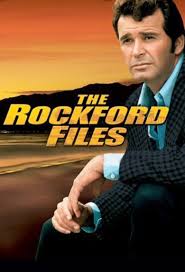
Classic television continues to entertain audiences many years after its original release. Many viewers enjoy revisiting older detective series because of their memorable stories, interesting characters, and timeless style of storytelling. While watching episodes is enjoyable, many fans also want to learn more about the history, production, and creative process behind their favorite series. Podcasts have become one of the easiest ways to discover this extra information.
A podcast allows fans to explore discussions about episodes, production techniques, storytelling, character development, and memorable television moments. Listening to these conversations can make watching classic television even more enjoyable because viewers gain a deeper understanding of what happened behind the camera and how each episode was created.
However, not every podcast provides the same level of quality. Some are well organized and educational, while others may lack clear information or be difficult to follow. Choosing the right podcast helps listeners enjoy an informative and entertaining experience.
This guide explains the common mistakes people make when selecting a Rockford Files podcast. It is written in simple English so that school-going students and readers of all ages can easily understand every section.
Mistakes People Make When Choosing a Rockford Files Podcast
Many listeners select a podcast without thinking about its quality or educational value. Understanding these common mistakes helps you make a better choice and enjoy a more rewarding listening experience.
Rockford Files podcast listeners should carefully evaluate several important features before deciding which podcast to follow.
Choosing Without Knowing the Topic
Some people begin listening without understanding what the podcast focuses on.
A good podcast should clearly explain whether it discusses episode reviews, television history, production techniques, storytelling, or behind the scenes information.
Knowing the topic helps listeners find content that matches their interests.
Ignoring Audio Quality
Good sound quality is important for every podcast.
Poor audio can make it difficult to understand conversations and reduce the overall listening experience.
Clear sound allows listeners to stay focused.
Overlooking Easy Language
A podcast should explain ideas in language that is easy to understand.
Simple explanations make learning enjoyable for beginners as well as longtime television fans.
Easy communication benefits everyone.
Forgetting About Organization
Well organized episodes follow a clear structure.
Random conversations without direction can confuse listeners and make important information harder to remember.
Good organization improves learning.
Ignoring Educational Value
Some podcasts focus only on casual conversations.
A valuable podcast should also teach listeners something about television production, storytelling, entertainment history, or creative development.
Educational content increases long term value.
Expecting Every Podcast to Be the Same
Every podcast has its own style.
Some focus on detailed discussions while others provide shorter overviews.
Understanding these differences helps listeners choose the right format.
Not Checking Episode Consistency
Regular episodes help listeners continue learning over time.
Consistent publishing shows dedication and helps build an enjoyable listening routine.
Reliability improves the overall experience.
Ignoring Storytelling Quality
Interesting storytelling keeps listeners engaged from beginning to end.
A podcast that presents information through enjoyable stories is often easier to remember.
Stories improve understanding.
Forgetting About Production Discussions
Many listeners enjoy learning how television episodes are created.
Podcasts that include production topics provide deeper insight into the creative process.
Production knowledge adds value.
Choosing Only Based on Episode Length
Long episodes are not always better.
Shorter, well organized discussions can sometimes provide more useful information than lengthy conversations.
Quality matters more than length.
How to Choose the Right Rockford Files Podcast
Avoiding common mistakes makes it much easier to find a podcast that offers enjoyable discussions and valuable knowledge. Paying attention to a few important features helps listeners make better choices.
Rockford Files podcast fans can improve their experience by following a simple checklist before selecting a podcast.
Look for Clear Presentation
The presenter should explain ideas step by step.
Clear communication helps listeners understand television history without becoming confused.
Simple presentation encourages learning.
Choose Educational Content
A quality podcast should explain more than episode summaries.
Topics such as storytelling, production methods, character development, and television history create a richer learning experience.
Educational discussions make listening worthwhile.
Appreciate Behind the Scenes Information
Many listeners enjoy discovering how television programs were created.
Production stories help explain the teamwork involved in creating successful entertainment.
Behind the scenes knowledge increases appreciation.
Listen With Full Attention
Avoid distractions whenever possible.
Focused listening helps listeners remember more information from each episode.
Attention improves learning.
Take Simple Notes
Writing down interesting facts helps reinforce important ideas.
Notes also make it easier to review information later.
Memory becomes stronger.
Discuss Episodes With Others
Talking about podcast episodes with family or friends helps reinforce learning.
Conversations often introduce new ideas and different viewpoints.
Sharing knowledge benefits everyone.
Watch Related Episodes
Listening before or after watching television episodes helps connect discussions with actual scenes.
Viewing supports deeper understanding.
Appreciate Creative Teamwork
Successful television depends on writers, directors, editors, designers, technicians, and many other professionals.
Learning about these creative teams increases respect for the production process.
Teamwork deserves recognition.
Continue Learning
Every podcast episode provides an opportunity to discover something new.
Staying curious encourages continuous learning about television history.
Knowledge grows over time.
Build a Listening Routine
Regular listening helps people gradually expand their understanding of television.
Small learning sessions produce long term benefits.
Consistency creates lasting results.
Explore Different Television Topics
Many podcasts discuss more than one aspect of television.
Learning about production, writing, history, technology, and storytelling provides a complete understanding of classic entertainment.
Broader knowledge increases appreciation.
Encourage Family Learning
Classic television often appeals to multiple generations.
Listening together creates opportunities for meaningful discussions about entertainment history.
Shared experiences strengthen relationships.
Preserve Television Heritage
Television history should be remembered and shared.
Podcasts help preserve important creative achievements for future generations.
Historical preservation benefits everyone.
Enjoy Learning Through Entertainment
Podcasts combine enjoyable discussions with educational information.
This balance makes learning comfortable and interesting for listeners of all ages.
Entertainment supports education.
Conclusion
Choosing the right Rockford Files podcast helps listeners gain a greater appreciation for classic television while avoiding common mistakes that can reduce the learning experience. By selecting a podcast with clear language, good organization, quality audio, educational discussions, and interesting storytelling, fans can enjoy informative episodes that make every listening session worthwhile.