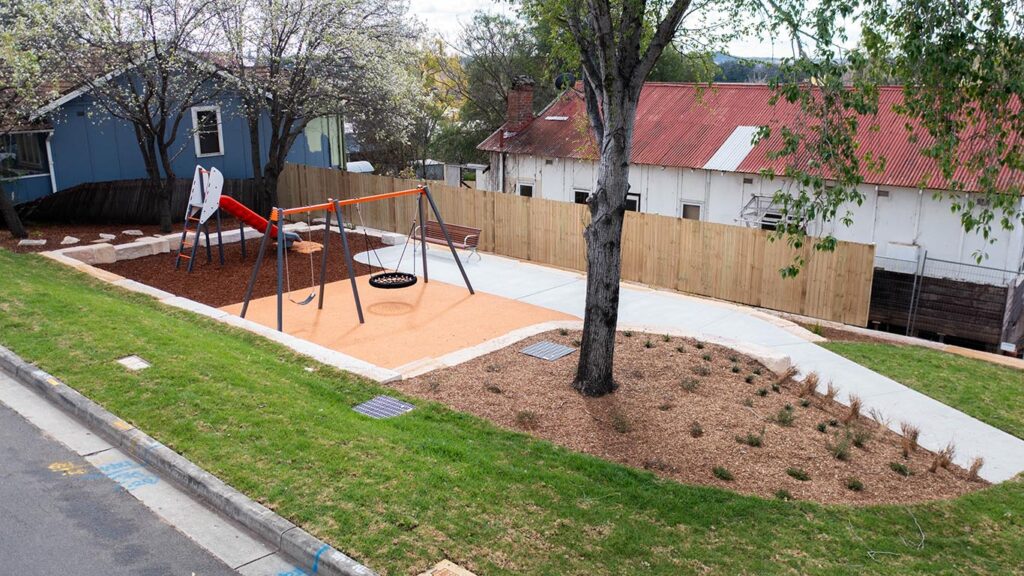
Principal civil landscaper, Head civil landscaper, Civil Landscaping, civil landscaping sydney
Civil landscaping plays a critical role in shaping functional, attractive, and sustainable outdoor environments. From public parks and commercial developments to residential communities and infrastructure projects, civil landscaping combines engineering expertise with landscape design principles to create spaces that are both practical and visually appealing. In a growing city like Sydney, the demand for professional civil landscaping services continues to increase as urban development expands and communities seek high-quality outdoor environments.
At the center of successful projects is the expertise of a Principal Civil Landscaper and a Head Civil Landscaper. These professionals oversee planning, design, construction, and maintenance activities to ensure landscaping projects meet environmental, aesthetic, and engineering requirements.
Understanding Civil Landscaping
Civil landscaping involves the planning, construction, and management of outdoor spaces that support infrastructure and community development. Unlike traditional gardening or decorative landscaping, civil landscaping focuses on large-scale projects that require technical knowledge, engineering coordination, and compliance with local regulations.
Civil landscaping projects may include:
- Public parks and recreational areas
- Commercial property developments
- Roadside and streetscape improvements
- Educational and healthcare facilities
- Residential subdivisions
- Water-sensitive urban design projects
- Retaining walls and drainage systems
- Environmental rehabilitation works
The primary goal is to create outdoor environments that enhance functionality while maintaining environmental sustainability and visual appeal.
The Importance of Civil Landscaping in Sydney
Sydney continues to experience significant urban growth, creating a need for well-planned outdoor spaces that support both residents and businesses. Civil landscaping Sydney projects help transform undeveloped land into attractive and usable environments while addressing important factors such as drainage, accessibility, safety, and environmental protection.
Quality civil landscaping contributes to:
- Improved community wellbeing
- Enhanced property values
- Better stormwater management
- Increased environmental sustainability
- Reduced soil erosion
- More attractive urban environments
- Greater public accessibility
As urban density increases, thoughtful landscape planning becomes essential for creating balanced and livable communities.
What Does a Principal Civil Landscaper Do?
A Principal Civil Landscaper is typically responsible for leading major landscaping projects from concept to completion. This role requires extensive experience in landscape construction, project management, and civil engineering coordination.
Key responsibilities include:
Project Planning and Design
The Principal Civil Landscaper collaborates with architects, engineers, developers, and local authorities to develop landscaping plans that align with project goals and regulatory requirements.
Budget Management
Managing project costs is an important aspect of the role. Accurate budgeting helps ensure resources are allocated efficiently while maintaining quality standards.
Team Leadership
A Principal Civil Landscaper oversees project teams, contractors, suppliers, and consultants to ensure work is completed safely and on schedule.
Quality Control
Maintaining construction quality is essential for long-term performance and client satisfaction. Regular inspections help identify and resolve issues before they become costly problems.
Environmental Compliance
Modern civil landscaping projects must meet environmental standards and sustainability objectives. This includes managing vegetation, water usage, and ecological impacts.
The Role of a Head Civil Landscaper
While a Principal Civil Landscaper often focuses on strategic leadership, the Head Civil Landscaper plays a vital role in managing day-to-day project operations.
The Head Civil Landscaper is responsible for:
- Supervising on-site construction activities
- Coordinating landscaping crews
- Monitoring project timelines
- Managing equipment and materials
- Ensuring workplace safety compliance
- Communicating with stakeholders
- Resolving site challenges efficiently
By overseeing operational aspects of a project, the Head Civil Landscaper helps maintain productivity while ensuring landscaping works meet design specifications.
Key Elements of Successful Civil Landscaping
Successful civil landscaping projects require careful consideration of multiple factors that influence both functionality and appearance.
Site Preparation
Every project begins with thorough site assessment and preparation. This process may include:
- Soil analysis
- Land clearing
- Grading and leveling
- Drainage planning
- Utility identification
Proper preparation creates a strong foundation for future landscape features.
Drainage and Water Management
Effective drainage systems are essential for preventing flooding, erosion, and water damage. Civil landscaping professionals design solutions that efficiently manage stormwater while supporting environmental sustainability.
Hardscape Construction
Hardscape elements form the structural framework of many landscaping projects. Common examples include:
- Pathways
- Retaining walls
- Paving
- Seating areas
- Boardwalks
- Public plazas
These features improve accessibility and usability while contributing to the overall visual appeal.
Soft Landscaping
Soft landscaping focuses on living elements such as:
- Trees
- Shrubs
- Ground covers
- Turf
- Native plant species
Careful plant selection ensures landscapes remain attractive and sustainable over time.
Environmental Sustainability
Modern civil landscaping emphasizes environmentally responsible practices. Sustainable design may include:
- Native vegetation planting
- Water-efficient irrigation systems
- Rainwater harvesting
- Green infrastructure solutions
- Erosion control measures
These approaches help reduce environmental impacts while creating resilient outdoor spaces.
Benefits of Professional Civil Landscaping Services
Investing in professional civil landscaping provides numerous long-term benefits for developers, businesses, councils, and property owners.
Enhanced Property Value
Well-designed landscapes improve the appearance and functionality of a property, increasing its market value and attractiveness.
Improved Safety
Professional landscaping addresses hazards related to drainage, erosion, accessibility, and site usability.
Better Community Spaces
Public landscaping projects create welcoming environments where people can relax, socialize, and engage in recreational activities.
Environmental Protection
Proper landscape planning supports biodiversity, reduces runoff, and helps preserve natural resources.
Long-Term Cost Savings
Quality construction and sustainable design reduce maintenance costs and improve the lifespan of landscape assets.
Why Experience Matters in Civil Landscaping Sydney
Civil landscaping Sydney projects often involve complex site conditions, strict regulations, and demanding stakeholder expectations. Experienced professionals understand local requirements and can navigate project challenges effectively.
A skilled Principal Civil Landscaper brings strategic oversight, while a capable Head Civil Landscaper ensures smooth site operations. Together, they help deliver projects that achieve both technical and aesthetic objectives.
Their expertise is particularly valuable when managing:
- Large commercial developments
- Public infrastructure projects
- Environmental restoration initiatives
- Multi-stage residential communities
- Government-funded landscaping works
Future Trends in Civil Landscaping
The civil landscaping industry continues to evolve as technology and sustainability become increasingly important.
Emerging trends include:
Smart Irrigation Systems
Advanced irrigation technologies help reduce water consumption while maintaining healthy landscapes.
Green Infrastructure
Urban planners are increasingly incorporating green roofs, rain gardens, and bioswales into development projects.
Sustainable Materials
Environmentally friendly construction materials are becoming more common across landscaping projects.
Climate-Resilient Design
Landscapes are being designed to withstand changing weather patterns and environmental conditions.
Digital Project Management
Modern software solutions improve planning, communication, and project tracking, leading to greater efficiency and better outcomes.
Conclusion
Civil landscaping is a vital component of modern urban development, combining engineering expertise with landscape design to create attractive, functional, and sustainable outdoor spaces. Whether developing public parks, commercial properties, or residential communities, successful projects depend on skilled leadership and effective project management.
A Principal Civil Landscaper provides strategic direction, while a Head Civil Landscaper oversees daily operations to ensure quality results. Together, they play a crucial role in delivering successful civil landscaping projects that enhance communities and support long-term environmental sustainability.
As demand for high-quality civil landscaping Sydney services continues to grow, experienced professionals remain essential for creating outdoor environments that meet the needs of today’s communities while preparing for the challenges of the future.