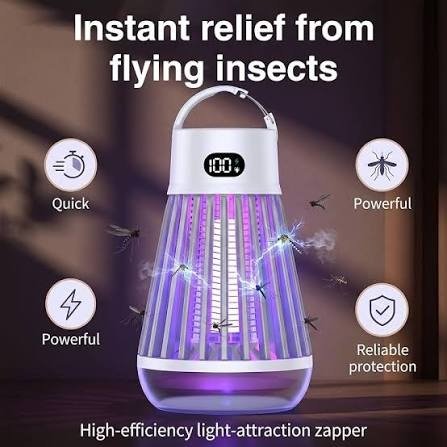
Explore bug zapper machine features, placement options, maintenance requirements, and safety tips for insect control.
A bug zapper machine can help manage certain flying insects around outdoor living spaces, patios, gardens, and other suitable areas. These devices commonly use ultraviolet light or another light source to attract insects toward an electrically charged grid or a trapping mechanism. Depending on the design, they may be useful for reducing some flying insects in a defined area, but their effectiveness varies by insect species, placement, and device type. If you are considering a bug zapper for your home, understanding its features, maintenance requirements, safety considerations, and limitations can help you make a more informed decision.
Modern insect control devices come in different sizes and configurations, including hanging units, lantern-style models, plug-in traps, and larger units designed for particular environments. The right option depends on where you plan to use it, which insects you want to manage, and how much maintenance you are prepared to perform. This guide explains how bug zapper machines work, what to compare before buying, and how to use them responsibly in 2026.
What Is a Bug Zapper Machine?
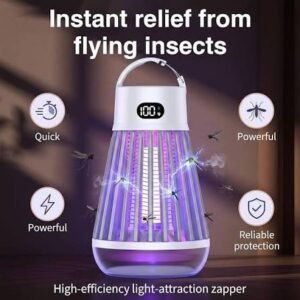
A bug zapper machine is an electronic insect-control device designed to attract and kill certain flying insects or capture them, depending on its mechanism. Traditional electric models commonly use ultraviolet light to attract light-responsive insects toward a high-voltage grid. When an insect contacts the grid, an electrical discharge kills it, and the remains may fall into a collection tray.
Other insect traps use different approaches, including adhesive boards or specially designed attractants. Although these products may be grouped together as insect-control devices, their operating principles and target insects are not necessarily the same.
A bug zapper can be considered for locations where flying insects gather, such as gardens, balconies, patios, outdoor entertainment areas, and some commercial environments. Indoor use requires a device specifically designed and rated for that setting.
The important point is that a bug zapper is not a universal solution for every insect problem. A device that attracts some moths, beetles, or flies may not be effective against mosquitoes or insects that do not respond strongly to its light source.
For product information, visit website and review the specifications of the particular machine you are considering.
How Does a Bug Zapper Machine Work?
The operating process depends on the machine’s design, but a conventional electric bug zapper generally follows a simple sequence.
First, a light source attracts insects that respond to its wavelength and brightness. Next, the insects approach the device and encounter an electrically charged grid. The resulting electrical discharge kills them, and a collection tray may catch the remains for later cleaning.
Some machines use enclosed designs to limit accidental contact with the grid, while others use an exposed grid surrounded by a protective structure. Certain models also incorporate features such as hanging hooks, removable trays, protective cages, or alternative power arrangements.
The role of ultraviolet light
Ultraviolet light can attract many types of flying insects, but insects do not all respond to light in the same way. Attraction also depends on competing light sources, environmental conditions, species behavior, and the positioning of the machine.
This explains why a bug zapper may attract plenty of insects without necessarily reducing the particular pests that concern you.
The electrical grid
In an electric model, the grid creates the mechanism used to kill insects on contact. This component requires particular care because the electrical output can present a shock hazard.
Users should never touch the grid, insert objects into the device, or attempt to clean it while it is energized. Always follow the manufacturer’s instructions for switching off, unplugging, discharging where specified, and maintaining the unit.
Collection trays and housings
Some models include a removable tray that collects insect remains. Others use a design in which debris falls below the device.
A collection tray can make routine cleaning more convenient, but it still needs to be emptied and inspected. Insects and dust can accumulate around the grid and housing, potentially affecting airflow, performance, and hygiene.
The specific cleaning method should always follow the instructions supplied with the product.
Key Features to Look for in a Bug Zapper Machine
Choosing a bug zapper involves more than comparing its appearance or advertised power. The most useful features depend on the intended location, target insects, maintenance requirements, and the operating conditions of the device.
1. Light source and insect attraction
The light source is one of the first features to examine. Many conventional electric zappers use UV or black light to attract certain flying insects.
Before choosing a model, consider the type of insect you want to manage. A UV-based device may attract some flying insects, but that does not mean it will effectively control mosquitoes or every other pest.
This is an important distinction when comparing products. A machine should be evaluated according to its actual purpose rather than a general claim that it attracts bugs.
2. Coverage area
Some manufacturers provide an estimated coverage area for their insect-control devices. This specification can help you compare models, but it should not be interpreted as a guarantee that every insect will be removed from the stated area.
Actual results depend on insect behavior, the environment, competing light sources, and device placement.
Before purchasing, consider the location where the machine will operate. A compact balcony may need a different solution from a large garden or commercial outdoor space.
3. Construction and protective housing
The housing protects the device’s internal components and may help reduce accidental contact with the electrical grid.
When comparing models, check the construction materials, protective cage, mounting method, and suitability for the intended environment. If the unit will be exposed to outdoor conditions, verify the manufacturer’s stated weather-resistance rating rather than assuming that it is waterproof.
A well-designed housing can also make routine handling more convenient, although no protective structure removes the need to follow electrical safety instructions.
4. Power source
Bug zappers may be powered through a standard electrical outlet, a rechargeable battery, or another arrangement, depending on the product.
Plug-in models can provide a continuous power supply when used in an appropriate location. Rechargeable options may offer greater flexibility where an electrical outlet is inconvenient, but users need to consider charging time and battery operating duration.
Confirm the supplied power adapter, voltage requirements, cable length, and any battery specifications before buying. Never substitute an incompatible power adapter simply because its connector appears to fit.
5. Cleaning and maintenance
Insects, dust, and other debris can collect inside a zapper over time. A removable tray or accessible cleaning area may make routine maintenance easier.
Check whether the manufacturer supplies a cleaning brush, removable tray, replacement lamp, or other maintenance accessories. If replacement components are required, confirm their availability and compatibility.
Simple maintenance features can make a device easier to care for over the long term.
6. Noise and operating environment
Some electric zappers produce an audible crackling sound when insects contact the grid. The intensity of the sound can vary by device and operating conditions.
If you plan to use a machine near a bedroom, dining area, or quiet outdoor seating space, consider its expected noise level and the placement recommended by the manufacturer.
An otherwise suitable machine may be inconvenient if its operating sound interferes with the way you intend to use the space.
Benefits of Using a Bug Zapper Machine
A bug zapper can offer certain practical advantages when selected for the right application. However, its benefits depend on the device’s design and the insect species it is intended to control.
Helps manage some flying insects
A conventional zapper can kill insects that are attracted to its light and contact its grid. This may make it useful for managing certain flying insects around an appropriate outdoor area.
The effectiveness will vary with the target species and environmental conditions. Users should not assume that capturing or killing some insects necessarily means the overall pest population has been reduced.
Offers a non-spray control method
An electric bug zapper kills insects through an electrical mechanism rather than applying an insecticide directly to them. For some households, this can be a useful alternative to routine insecticide spraying in a specific location.
However, a device should not be described as completely risk-free or universally chemical-free without confirming its construction. Some insect-control products use additional attractants, and electrical devices still require appropriate handling and maintenance.
Can operate with limited daily intervention
Many stationary electric zappers operate after being correctly installed and connected to their specified power source. Users do not need to manually catch each insect.
Nevertheless, the machine still requires inspection and cleaning. Bulbs or other components may also need replacement according to the manufacturer’s instructions.
Available in several designs
The market includes hanging zappers, lantern-style devices, compact indoor traps, and larger units for designated applications.
Different form factors can make it easier to select a device that fits the intended location. The choice should be based on the environment and target pest rather than appearance alone.
May support a broader insect-management routine
A bug zapper can be one element of a broader pest-management approach where it is appropriate. Good sanitation, reduced standing water, repaired screens, and removal of food or waste attracting insects can address other causes of pest activity.
A device is most useful when it complements practical environmental management rather than being expected to solve every insect problem on its own.
Is a Bug Zapper Machine Effective Against Mosquitoes?
This is one of the most important questions to answer before purchasing an insect-control machine.
A conventional UV bug zapper should not be relied on as the main method of mosquito control. Mosquitoes are attracted to people through cues that include carbon dioxide, body heat, and odors. A typical UV zapper is not designed to reproduce those signals effectively.
What works better for mosquito management?
For mosquitoes around a home, consider practical measures that target their breeding and biting behavior.
-
Remove standing water from containers, plant saucers, unused buckets, and other places where mosquitoes may breed.
-
Clean gutters and maintain drainage so that water does not remain trapped.
-
Repair damaged window and door screens.
-
Use an appropriate insect repellent according to its label instructions.
-
Consider mosquito-control products specifically designed for the target species and follow their directions.
Some specialized traps use additional attractants, such as carbon dioxide, rather than relying on UV light alone. Their effectiveness depends on design and conditions, and they should not automatically be assumed to prevent bites under every outdoor circumstance.
Before buying a machine specifically to stop mosquitoes, verify that its technology is suited to that purpose. A general bug zapper and a dedicated mosquito-control trap are not necessarily interchangeable.
Indoor vs. Outdoor Bug Zapper Machines
The intended location is another major consideration when selecting a machine. Indoor and outdoor models may differ in their protective housing, collection systems, installation requirements, and suitability for different environments.
Indoor bug zappers
An indoor insect trap should be designed and approved for the particular indoor setting where it will be used.
Certain light traps can be useful for monitoring or managing selected flying insects in suitable environments. For example, the Texas A&M AgriLife Extension guide to indoor flies discusses light traps that attract flies to an adhesive board or a low-voltage grid.
High-voltage outdoor zappers are generally not a suitable substitute for purpose-designed indoor traps. They can scatter insect fragments, creating a potential contamination issue indoors.
When considering an indoor device, look for an appropriate enclosure, a suitable collection system, and clear cleaning instructions. Keep the machine away from food-preparation surfaces and places where children or pets could contact it.
Outdoor bug zappers
Outdoor units may be designed for patios, gardens, balconies, and similar areas, but their suitability depends on the manufacturer’s specifications.
Check the stated outdoor rating, mounting requirements, power-cable arrangement, and precautions concerning moisture. Never assume that an electrically powered device is safe to leave in rain or exposed to water.
Positioning also matters. A light-based device can attract insects toward itself, so placing it immediately beside a seating area may be counterproductive.
For outdoor use, follow the manual’s placement recommendations and keep the unit away from food, water, and frequent human activity.
How to Choose the Right Bug Zapper Machine
The best choice depends on your environment, budget, and the type of insect activity you are trying to manage.
Step 1: Identify the target insect
Start by determining whether the problem involves mosquitoes, flies, moths, beetles, or another type of insect.
Different pests respond to different control methods. If mosquitoes are the primary concern, a conventional UV zapper is unlikely to be the best standalone solution.
Step 2: Measure the intended area
Estimate the area where you want to use the device. Compare the manufacturer’s stated coverage information with your intended location.
Remember that stated coverage figures do not guarantee a specific reduction in insects. Environmental factors and insect behavior may affect results.
Step 3: Compare the power options
Determine whether a plug-in model or rechargeable device is more practical.
For plug-in machines, check the power requirements and the availability of a suitable outlet. For battery-powered machines, compare the stated battery capacity and operating duration, if provided.
Avoid buying on the basis of power claims alone. The attraction method and target species matter just as much.
Step 4: Review safety features
Check the protective enclosure, electrical ratings, mounting arrangements, and cleaning procedure.
If the machine will be used around children or pets, pay particular attention to access to the grid and the instructions for safe installation. Do not assume that every product offers the same level of protection.
Step 5: Consider maintenance costs
The initial price is only one part of the overall cost. A machine may require replacement lamps, batteries, trays, or other components over time.
Review the availability and price of replacement parts where applicable. A model with straightforward maintenance may be more practical than one that is difficult to clean or service.
Step 6: Verify the seller and product details
Check the seller’s identity, warranty conditions, return policy, and customer-support information before placing an order.
For the product listed at bug-zapper.net, verify the current specifications and included accessories directly. Do not assume that a product has a particular coverage area, battery life, weather rating, or certification unless the relevant information is clearly documented.
Where Should You Place a Bug Zapper Machine?
Correct placement can influence how a light-based insect trap performs. An unsuitable location may reduce its usefulness or bring insects closer to the area you want to protect.
Keep it away from the main seating area
A UV zapper can attract insects toward its light. For this reason, avoid placing it immediately beside a patio table, outdoor dining area, or frequently used seating space.
Instead, follow the manufacturer’s placement recommendations and consider the likely movement of insects around the property.
Consider competing lights
Nearby porch lights, garden lights, and other bright sources can affect the way insects respond to a zapper’s light.
The impact depends on the species, light source, and environment. Consider the surrounding lighting when choosing a location rather than expecting the device to perform identically everywhere.
Choose a suitable mounting position
Use only the mounting method specified by the manufacturer. Ensure that the support is stable and that the machine cannot easily fall or be knocked over.
Keep cables secured and away from walking paths. Install the device at the recommended height and maintain the specified clearance from people, pets, food, and water.
Avoid unsuitable weather exposure
Only use an outdoor device in the conditions allowed by its stated rating. If the manual requires the unit to be protected from rain or moisture, comply with those instructions.
Never handle the plug, cable, or electrical components with wet hands, and do not use a device that has visible damage.
How to Clean and Maintain a Bug Zapper Machine
Regular maintenance helps keep an insect-control device in suitable operating condition.
Switch off and disconnect the power first. Follow the manufacturer’s instructions for making the unit safe before cleaning. Never touch an energized grid or insert tools into the device while it is connected to power.
Once the unit is safe to handle, follow the recommended cleaning procedure.
-
Remove the collection tray if the design includes one.
-
Empty insect remains into an appropriate waste container.
-
Clean the tray and accessible surfaces as instructed.
-
Use only the tools and cleaning products recommended by the manufacturer.
-
Inspect the cable, housing, protective cage, and other visible components for damage.
-
Allow cleaned components to dry completely if the instructions require it before reassembly.
-
Replace components only with compatible parts recommended for the device.
Do not wash the electrical unit under running water unless the manufacturer explicitly permits the procedure. Do not use an incompatible lamp or power adapter.
When should components be replaced?
Replacement needs depend on the product and how frequently it is used.
If a model includes a replaceable UV lamp, check the recommended service life and replacement procedure. If the electrical grid, housing, cable, or plug is damaged, stop using the machine until it has been inspected and repaired or replaced appropriately.
If the device repeatedly fails to operate, produces abnormal sounds, or shows signs of overheating, disconnect it safely and consult the manufacturer’s troubleshooting instructions.
Safety Tips for Bug Zapper Machines
Because electric zappers use an electrical grid, safe handling is essential. Even a product intended for household use can create a hazard if installed incorrectly or used outside its stated conditions.
Keep these precautions in mind:
-
Read the supplied operating manual before installation.
-
Use a power source that meets the manufacturer’s requirements.
-
Keep the machine out of reach of children and pets.
-
Do not operate damaged equipment or frayed power cables.
-
Keep the device away from flammable materials and areas where explosive atmospheres may occur.
-
Disconnect the unit before cleaning or servicing it.
-
Do not immerse electrical components in water.
-
Follow the manufacturer’s rules for outdoor use and weather exposure.
-
Keep the machine away from food-preparation areas.
-
Store and handle replacement parts according to their instructions.
A protective cage can lower the risk of accidental contact, but it does not eliminate all hazards. Safety depends on the complete design, installation, maintenance, and operating environment.
Common Mistakes to Avoid When Buying a Bug Zapper
Many purchasing mistakes happen when shoppers focus on a single feature rather than evaluating the full product.
Choosing a machine without identifying the pest
A general bug zapper may attract insects that respond to its light but perform poorly against the particular pest causing trouble.
Identify the problem first and select a suitable control method.
Assuming advertised coverage guarantees results
A large coverage figure does not mean every insect within that area will be caught. Check how the manufacturer describes the coverage and remember that actual performance varies with environmental conditions.
Using an outdoor machine indoors
Outdoor devices may be unsuitable for indoor conditions. High-voltage zappers can scatter insect fragments, while indoor light traps may use a different capture method.
Use the product only in the environments approved by its manufacturer.
Ignoring maintenance requirements
A machine can become less convenient to operate if debris accumulates or replacement components are unavailable.
Check how the unit is cleaned and which parts require routine replacement before purchasing.
Expecting a bug zapper to solve every pest problem
Different insects require different management approaches. Screens, sanitation, removal of standing water, and targeted control methods may be more appropriate for some situations.
Use the device for its intended purpose rather than expecting one machine to provide complete pest control.
Frequently Asked Questions About Bug Zapper Machines
1. What is a bug zapper machine used for?
A bug zapper machine is used to attract and kill certain flying insects or capture them, depending on the design. Conventional electric models often use UV light and an electrically charged grid. Results depend on the target species and operating conditions.
2. How does a bug zapper machine work?
A conventional electric zapper attracts some light-responsive insects toward a UV light source. When an insect contacts the charged grid, an electrical discharge kills it. Some models collect insect remains in a removable tray.
3. Are bug zapper machines effective against mosquitoes?
Conventional UV bug zappers are generally ineffective at reducing mosquito biting rates. Mosquito-management strategies such as removing standing water, repairing screens, and using appropriate repellents are more suitable for reducing exposure.
4. Can a bug zapper machine be used indoors?
Only use a device designed or approved for indoor use. Some indoor light traps use adhesive boards or other capture systems, while high-voltage outdoor zappers can scatter insect fragments and create hygiene concerns.
5. Where should I install an outdoor bug zapper?
Follow the manufacturer’s placement guidance and choose a location away from frequently used seating and food areas. Consider competing lights, stable mounting, cable safety, and the unit’s permitted exposure to weather.
6. What features should I compare before buying?
Review the attraction method, target insect information, coverage claims, power supply, protective enclosure, cleaning requirements, replacement parts, and warranty conditions. Confirm the specifications for the exact model.
7. Do bug zappers require regular cleaning?
Yes. Insect remains and dust can accumulate around the grid or collection tray. Disconnect the power and follow the product’s cleaning instructions before maintenance.
8. Are bug zapper machines safe around children and pets?
They require careful placement and handling. Keep the unit out of reach, prevent contact with the grid, secure cables, and follow the manufacturer’s safety requirements. No general description can guarantee that every model is safe in every setting.
9. Do bug zappers use chemicals?
Conventional electric zappers kill insects using an electrical grid rather than spraying insecticide. However, some insect-control devices use additional attractants, so check the product specifications before assuming a device contains no chemical attractants.
10. How long does a bug zapper machine last?
The lifespan depends on the product’s construction, power system, maintenance, usage, and replacement components. Check the manufacturer’s warranty and service information rather than relying on a general lifespan estimate.
11. Is a rechargeable bug zapper better than a plug-in model?
Neither is universally better. A rechargeable model may be useful where an outlet is inconvenient, while a plug-in model can provide continuous power in a suitable location. Compare runtime, charging requirements, power compatibility, and intended use.
12. Where can I find product information about Bug Zapper?
Visit Official website to review the product information available from the seller. Check the current specifications, operating instructions, warranty, and return terms before purchasing.
Conclusion
A bug zapper machine can be useful for managing certain flying insects when the device is selected and positioned appropriately. Important considerations include the attraction method, target insect, coverage information, power source, protective enclosure, cleaning requirements, and operating environment.
The most effective buying decision starts by identifying the pest you need to manage. Conventional UV zappers should not be relied on as the primary solution for mosquito bites, and they can kill beneficial insects as well. For many pest problems, removing breeding sites, maintaining screens, improving sanitation, and choosing a suitable targeted control method are important parts of a broader approach.
Before buying, compare the specifications of the exact machine, verify its safety requirements, and check the seller’s warranty and return terms. Visit Bug Zapper to review the available product information and determine whether the described device fits your intended use.
A well-informed choice focuses on realistic performance, safe operation, and suitable pest management rather than assuming that one device will eliminate every flying insect from your surroundings.