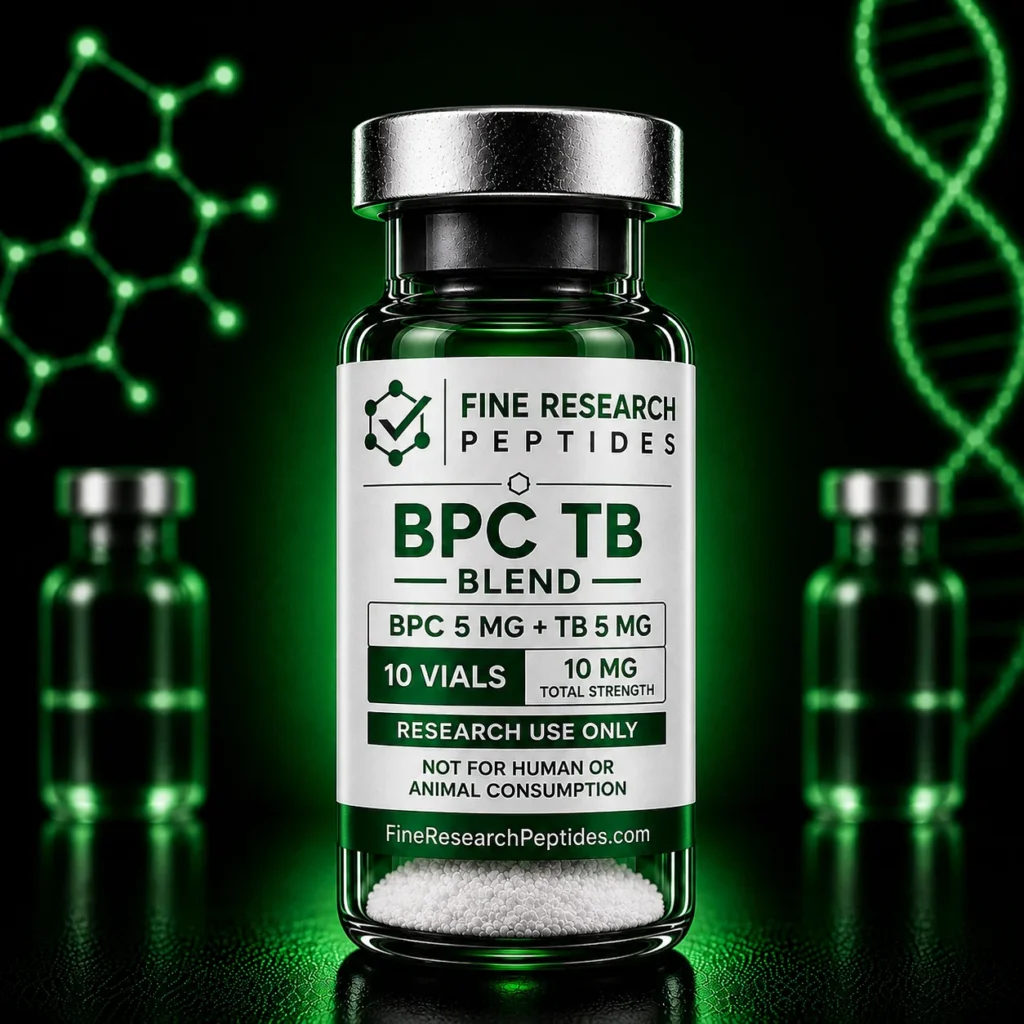
bpc 157 peptide for sale
Searching for bpc 157 peptide for sale can produce a wide range of online listings, but availability does not automatically mean a product is approved, clinically validated, or suitable for human use. BPC-157 is an investigational peptide that has attracted interest primarily because of findings from laboratory and preclinical research. However, evidence from animal or laboratory studies cannot establish that the compound is safe or effective as a treatment in people. Anyone researching this peptide should understand its regulatory status and evidence limitations before considering any purchase.
BPC-157 is commonly described as a synthetic peptide consisting of 15 amino acids and has been investigated in various experimental settings. Research has explored biological activity involving areas such as tissue response, inflammation, and gastrointestinal systems, but these findings remain substantially different from evidence required for an approved medical treatment. Current scientific literature continues to identify major gaps in human safety, pharmacokinetics, standardized formulations, and clinical effectiveness. This distinction is essential when evaluating marketing claims associated with BPC-157.
Why Product Quality Matters
When people search for bpc 157 peptide for sale they may encounter products with very different labels, formulations, concentrations, and quality documentation. A professional approach begins by identifying exactly what a seller claims to provide and whether the product has a clearly defined intended use. Research materials should have appropriate identification and traceability, including information that allows researchers to distinguish one batch from another. Vague descriptions, unsupported purity claims, or incomplete labeling should be treated cautiously.
A certificate of analysis can provide useful information about a particular batch, but its existence alone does not guarantee overall product quality. Researchers should consider who performed the testing, what analytical methods were used, whether the results identify the actual batch, and whether the documentation is internally consistent. Quality assessment should also consider manufacturing controls, storage conditions, packaging integrity, and product handling. These factors are more meaningful than promotional claims that simply describe a peptide as “high quality” or “premium.”
Regulatory Status and Research Considerations
BPC-157 should not be confused with an FDA-approved medication. The FDA has identified concerns involving limited safety information, peptide-related impurities, active pharmaceutical ingredient characterization, and potential immunogenicity for certain proposed uses. Recent regulatory discussions have also highlighted the continuing lack of sufficient clinical safety information. Consequently, online availability should not be interpreted as evidence that BPC-157 has been established as safe or effective for treating a medical condition.
This distinction is particularly important because some online sellers may use language that makes research compounds sound like conventional pharmaceutical products. Terms such as laboratory grade, research use, or third-party tested can describe certain characteristics, but they do not transform an investigational compound into an approved medicine. Researchers should maintain clear boundaries between laboratory investigation and patient treatment. Individuals considering a peptide for personal health concerns should discuss evidence-based options with a qualified healthcare professional instead of relying on online product descriptions.
Evaluating Sellers and Product Documentation
A responsible evaluation of a bpc 157 peptide for sale listing should begin with basic product transparency. The seller should provide enough information to identify the material, its stated purpose, batch or lot details, and relevant quality documentation. Researchers should be able to distinguish the product being advertised from generic claims about peptides as a category. If essential information is missing or contradictory, purchasing decisions should be reconsidered.
Independent testing can be useful when its scope and methodology are clear. Analytical information such as identity and purity testing may help researchers evaluate whether a material is consistent with its stated specifications. However, purity is only one part of quality and does not establish sterility, safety, biological effectiveness, or suitability for human administration. A responsible research workflow therefore evaluates the complete quality picture rather than treating one laboratory number as proof of overall reliability.
Understanding KPV Peptide Listings
The same principles apply when consumers encounter searches for kpv peptide for sale. KPV is another peptide that has attracted interest in laboratory and preclinical research, but online availability should not be confused with established clinical approval or proven therapeutic effectiveness. Product quality can vary between manufacturers, and research materials may have different specifications depending on their intended application. Buyers should therefore examine documentation and intended use carefully.
Regulatory information is particularly important when evaluating peptides marketed for experimental purposes. A seller’s description may contain claims about biological effects that extend beyond what controlled human evidence can support. Researchers should distinguish between hypotheses, preclinical observations, and clinically established outcomes. This evidence-based approach reduces the risk of treating preliminary findings as proven medical facts.
Common Warning Signs Before Purchasing
Several warning signs can indicate that a peptide listing deserves additional scrutiny. These include exaggerated promises, guaranteed health outcomes, unexplained claims of pharmaceutical approval, missing batch information, unclear manufacturer details, or certificates that cannot be connected to the advertised product. Extremely broad claims about treating multiple unrelated conditions should also encourage caution. Scientific credibility depends on evidence and transparency rather than persuasive marketing language.
Another concern is when sellers encourage customers to use research-labeled peptides for self-treatment. A research designation is not a recommendation for personal administration, and it does not establish that a compound has undergone the safety testing expected of an approved medicine. This is especially important with injectable products, where sterility, formulation, contamination, and dosing errors can create additional risks. Consumers should not assume that instructions shared on social media or commercial websites have been medically validated.
Making an Informed Research Decision
For legitimate laboratory research, selecting a BPC-157 material should involve a documented evaluation process rather than simply choosing the first result for bpc 157 peptide for sale. Researchers can consider identity, purity, batch traceability, testing documentation, storage conditions, and the reputation of the supplier’s quality system. Institutional purchasing procedures and applicable laboratory requirements should also be followed. Maintaining records of the material and its batch information supports reproducibility and accountability.
Researchers should also establish the scientific purpose of the material before obtaining it. A peptide should be selected because it fits a defined experimental question and validated research protocol, not because an online seller promises a particular outcome. Experimental results should be interpreted according to the quality of the study design and available evidence. This approach helps separate legitimate scientific investigation from unsupported health marketing.
Final Thoughts Before Purchasing BPC-157
Searching for bpc 157 peptide for sale requires more than comparing prices or reading promotional descriptions. BPC-157 remains an investigational compound with important gaps in human safety and clinical evidence, so consumers and researchers should be cautious about claims that present it as an established treatment. Product identity, quality documentation, traceability, and intended use all deserve careful consideration. Most importantly, online availability should never be treated as proof of regulatory approval or medical suitability.
The same evidence-based mindset should be applied to searches for kpv peptide for sale and other research peptides. Responsible buyers look beyond marketing language and consider whether the available documentation supports the product’s stated identity and quality. Researchers should use materials within appropriate laboratory protocols, while people seeking treatment should rely on qualified medical professionals and approved therapeutic options. Careful evaluation protects research integrity and helps prevent unsupported peptide claims from being mistaken for established medical evidence.