mid-century modern furniture
Mid-century modern furniture is a design style that became especially influential from the 1940s through the 1960s. It is recognized for clean lines, practical forms, organic shapes, and a thoughtful balance between comfort and simplicity. Rather than relying on excessive decoration, designers focused on how furniture could function within everyday living spaces. Today, mid-century modern furniture remains popular because its understated appearance can complement both vintage and contemporary interiors.
The style developed during a period when designers were exploring new materials, manufacturing techniques, and approaches to residential living. Furniture makers began combining traditional craftsmanship with materials such as molded plywood, fiberglass, plastic, metal, and innovative upholstery. The result was furniture that often looked light, streamlined, and approachable. For beginners, understanding this combination of function, experimentation, and visual simplicity is the best starting point for recognizing authentic mid-century design.
Key Characteristics of Mid-Century Design
One of the most recognizable characteristics of mid-century furniture is its emphasis on clean, uncluttered lines. Tables, chairs, cabinets, and sofas often feature tapered legs, smooth surfaces, gently curved edges, and carefully proportioned frames. Furniture tends to have a visually lightweight appearance instead of looking bulky or heavily ornamental. These qualities allow individual pieces to make a design statement without overwhelming the rest of a room.
Natural materials also play an important role in the style, particularly woods such as teak, walnut, oak, and rosewood. Designers frequently highlighted the natural grain rather than covering it with elaborate decoration. At the same time, manufactured materials were embraced when they offered practical or aesthetic advantages. This mixture of natural and modern materials helped establish a distinctive design language that continues to influence furniture collections today.
The Importance of Function and Comfort
Mid-century modern design is often associated with the principle that furniture should serve a practical purpose while still being visually appealing. Designers considered how people would sit, eat, work, store belongings, and move through their homes. As a result, many pieces have carefully considered proportions and ergonomic shapes. A successful mid-century-inspired room should feel comfortable and functional rather than looking like a collection of decorative objects.
Another important characteristic is the efficient use of space. Furniture was often designed for homes where an open, uncluttered atmosphere was desirable. Storage cabinets could provide generous capacity without appearing excessively large, while chairs and tables were designed with relatively slim profiles. These qualities make mid-century modern furniture particularly useful for contemporary homes, apartments, and open-plan interiors where maintaining visual space is important.
Mid-Century Dining Furniture for Everyday Spaces
Dining rooms provide an excellent opportunity to introduce this design style because tables and chairs naturally become focal points. Mid-century dining furniture commonly features simple silhouettes, tapered legs, warm wood finishes, and carefully balanced proportions. A dining table may have a straightforward rectangular or oval top paired with chairs that provide subtle curves and supportive seating. The overall effect is refined without appearing overly formal.
When choosing dining furniture, consider the size of the room as well as the number of people who regularly use the space. An expandable dining table can be especially practical for households that occasionally host guests. Chairs should provide adequate support while maintaining the clean visual language associated with the period. Combining wood, upholstered seating, and understated lighting can create a welcoming dining environment without making the room feel overly themed.
Influential Mid-Century Modern Designers
Several designers played major roles in shaping the furniture associated with the mid-century period. Charles and Ray Eames are among the best-known names, particularly for their innovative use of molded plywood, fiberglass, and other materials. Their work demonstrated how industrial production could be combined with thoughtful design and comfortable forms. Their approach continues to influence furniture designers and manufacturers around the world.
Hans Wegner, a Danish designer, became renowned for his exceptional work with seating and traditional woodworking techniques. His chairs demonstrate how simple construction can produce both comfort and visual elegance. Arne Jacobsen also made an important contribution through furniture that combined sculptural forms with practical use. Other influential designers, including George Nelson, Florence Knoll, and Eero Saarinen, helped expand the vocabulary of modern furniture through distinctive tables, seating, storage solutions, and architectural thinking.
How to Choose Authentic Mid-Century Pieces
For beginners, purchasing mid-century furniture can be exciting, but it is useful to look beyond appearance alone. Examine the construction, materials, joinery, hardware, proportions, and overall condition of a piece before making a decision. Older furniture may show natural signs of age, but significant structural damage, extensive alterations, or poor repairs can affect both usability and value. Learning to distinguish quality construction from superficial styling can make the buying process much more rewarding.
Provenance can also provide valuable information when evaluating vintage pieces. Original labels, manufacturer markings, designer information, dated catalogs, and previous ownership records may help establish where a piece came from. However, not every genuine mid-century item will have complete documentation. A knowledgeable furniture dealer, restoration professional, or experienced appraiser can sometimes provide useful guidance when authenticity or value is uncertain.
Creating a Mid-Century Modern Home Today
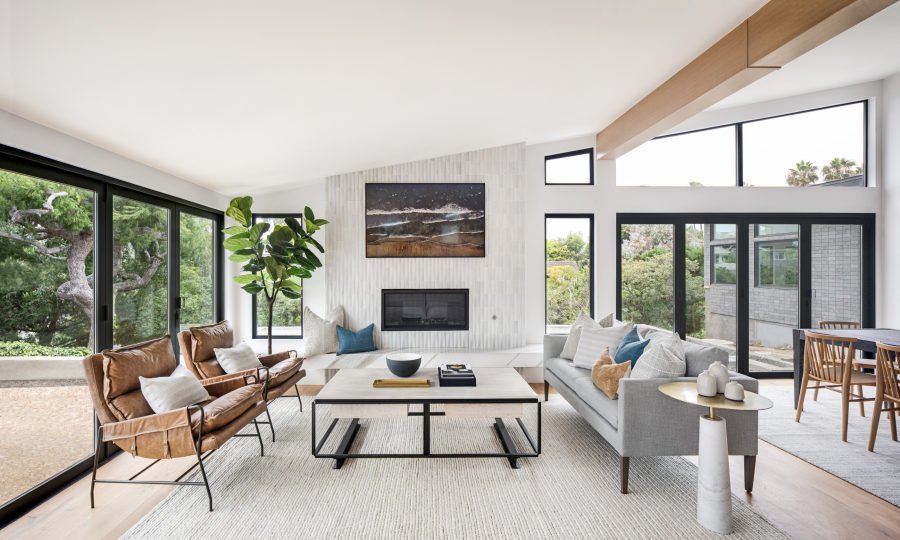
A successful mid-century interior does not require every item in the room to come from the same historical period. In fact, mixing vintage-inspired furniture with contemporary pieces can create a more natural and personalized result. Start with one or two distinctive pieces, such as a wooden sideboard, lounge chair, dining table, or streamlined sofa. Then add lighting, textiles, artwork, and accessories that support the overall aesthetic without competing for attention.
Color can also help establish the right atmosphere. Warm wood tones are often paired with neutral backgrounds, while carefully selected accents can introduce mustard, olive, rust, orange, blue, or other period-inspired shades. The goal is balance rather than strict historical reproduction. By combining practical layouts, natural materials, clean silhouettes, and carefully chosen statement pieces, homeowners can enjoy the timeless appeal of mid-century modern furniture while creating a space that feels comfortable and current.
Understanding the foundations of this design movement makes it much easier to shop confidently and create a cohesive interior. Its lasting appeal comes from more than nostalgia; the combination of functionality, craftsmanship, innovation, and simplicity continues to suit modern lifestyles. Whether you begin with a dining set, lounge chair, storage cabinet, or occasional table, thoughtful selection can bring authentic character to your home. With attention to construction, proportions, materials, and everyday comfort, mid-century design can remain both historically meaningful and highly practical for contemporary living.