Backshells and Cable Clamps
Introduction
In every electrical or electronic system, cable reliability depends on more than the connector alone. The way a cable is supported, guided, and protected after termination has a direct effect on performance, safety, and service life. This is why Backshells and Cable Clamps are so important in professional cable assemblies. They are used to secure cables, reduce mechanical stress, improve cable routing, and support shielding or environmental protection in demanding applications.
From industrial machinery and aerospace systems to transport equipment and communication infrastructure, cables often operate in environments where vibration, heat, dust, and constant movement can create long term wear. If the rear of a connector is left unsupported, the cable can bend excessively, the conductors may weaken, and the complete assembly can become less reliable over time. Backshells and Cable Clamps help solve these challenges by reinforcing the connection point and improving the overall structure of the cable assembly.
What Are Backshells and Cable Clamps?
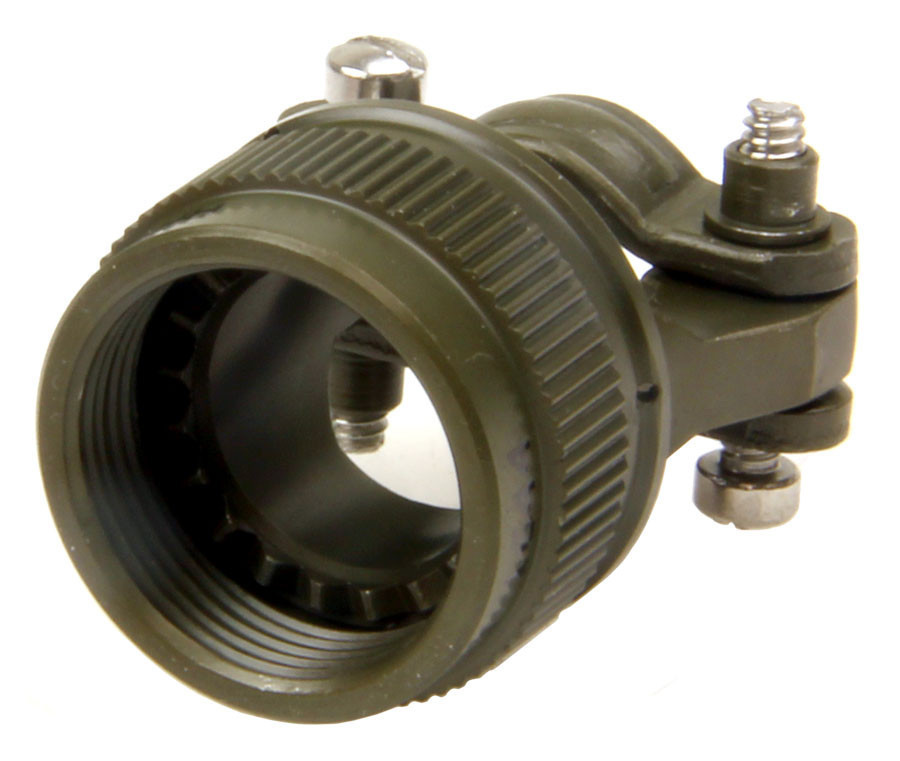
Backshells are components attached to the rear of a connector to provide mechanical and functional support where the cable exits. They are often selected to deliver strain relief, controlled routing, shielding continuity, or protection against external conditions. In many professional assemblies, the backshell is an essential part of the connector system rather than a simple add on.
Cable Clamps are fastening devices used to secure individual cables or cable bundles in position. Their purpose is to prevent unnecessary movement, maintain order in cable routing, and reduce the load placed on sensitive cable terminations. When used together, Backshells and Cable Clamps create a stronger and more stable connection system that can perform reliably even in challenging operating environments.
Why Backshells and Cable Clamps Matter
The point where a cable enters or exits a connector is often one of the weakest parts of the assembly. Repeated flexing, accidental pulling, twisting, or vibration can all damage the conductors and insulation at this location. Over time, this may lead to signal loss, intermittent faults, or complete connection failure.
Backshells and Cable Clamps reduce these risks by:
- Supporting the cable at the connector exit
- Limiting excessive bending near the termination point
- Reducing strain on internal contacts
- Helping maintain a consistent cable path
- Improving assembly strength in harsh environments
- Supporting shield termination where required
- Keeping cable bundles neat and controlled
These functions are especially valuable in systems where access is limited or where maintenance costs are high. A well-supported assembly lasts longer and usually performs more consistently.
Main Functions of Backshells and Cable Clamps
Although these components may appear simple, they perform several important roles in cable management and connection reliability.
Strain relief
One of the primary functions of Backshells and Cable Clamps is to provide strain relief. This means they help prevent pulling, bending, or movement forces from being transferred directly to the electrical contacts. Proper strain relief protects the cable and keeps the termination stable.
Cable direction control
Cables do not always leave a connector in a straight line. In many systems, they need to turn quickly to fit into compact spaces or follow a defined route. Backshells help guide the cable in the correct direction while reducing stress at the exit point.
Mechanical stability
Cable movement can cause wear over time, especially in vibrating machinery or transport systems. Cable Clamps secure the cable or harness to a structure so it stays in place during operation.
Shielding support
In applications where electromagnetic interference is a concern, the backshell may help connect the cable shield to the connector body. This supports reliable shielding performance and helps protect signal quality.
Environmental support
Some backshell designs are built for use in harsh conditions. They can support sealing systems and help protect cable terminations from contaminants such as dust, moisture, and chemicals.
Common Backshell Designs
Different assembly requirements call for different backshell styles. The choice depends on connector type, cable size, installation space, and performance requirements.
Straight backshells
Straight backshells allow the cable to exit directly from the rear of the connector. They are commonly used when there is enough space for a natural cable path and when no immediate change in direction is needed.
Angled backshells
Angled backshells are useful where space is restricted or where cable routing must turn at once. They help reduce sharp cable bends and create a more efficient layout in dense systems.
Shielded backshells
These backshells are designed for applications that need shielding continuity. They are often used in communication, control, defense, and aerospace systems where electrical noise can affect performance.
Sealed backshells
Sealed backshells are chosen for applications exposed to outdoor weather, industrial contamination, or washdown conditions. They add an extra level of protection to the rear connector area.
Common Cable Clamp Styles
Cable Clamps are available in different forms depending on how the cable needs to be fixed or routed.
P-clamps
P-clamps are widely used to secure cables along frames, enclosures, and mounting surfaces. They are simple, durable, and effective in many types of installations.
Strain relief clamps
These clamps are fitted close to the connector or entry point to limit cable movement and reduce tension on the termination.
Bundle clamps
Bundle clamps help keep multiple cables together in an organized group. They are particularly useful in larger harnesses where neat routing improves maintenance and identification.
Adjustable clamps
Adjustable clamps allow flexibility when cable sizes vary or when future changes may be needed in the assembly layout.
How to Select the Right Backshells and Cable Clamps
Choosing the right Backshells and Cable Clamps requires careful attention to the application. The best selection should match both the connector system and the operating environment.
Important selection points include:
- Connector compatibility
- Cable diameter and jacket type
- Required routing angle
- Environmental conditions
- Shielding requirements
- Vibration level
- Space available for installation
- Material strength and corrosion resistance
- Need for sealing or additional protection
In some cases, weight is also a concern. Lightweight materials may be preferred in aerospace or portable equipment, while metal constructions may be favored in rugged industrial systems that require higher mechanical strength and better shielding support.
Where Backshells and Cable Clamps Are Commonly Used
Because cable reliability is essential across many sectors, Backshells and Cable Clamps are found in a wide range of industries.
Typical application areas include:
- Aerospace and avionics systems
- Industrial automation and robotics
- Railway and transport systems
- Marine and offshore equipment
- Telecommunications hardware
- Medical devices
- Defense electronics
- Power and control cabinets
In each of these areas, cable assemblies must remain stable, protected, and easy to manage. These components help achieve that goal.
Installation Considerations for Better Results
The effectiveness of Backshells and Cable Clamps depends not only on selection but also on installation quality. Poor fitting or incorrect tightening can reduce performance and shorten cable life.
Useful installation practices include:
- Avoid over-bending the cable at the connector exit
- Ensure the clamp holds firmly without crushing the jacket
- Confirm all hardware is tightened correctly
- Check shield termination carefully where applicable
- Route cables in a way that minimizes stress points
- Inspect assemblies regularly in high-vibration environments
Attention to these details helps maintain reliable connections and reduces the chance of preventable failures.
Conclusion
Backshells and Cable Clamps are essential for creating cable assemblies that are strong, organized, and built for long term reliability. They protect the rear of the connector, support the cable, improve routing, and reduce the risks caused by strain, movement, and harsh operating conditions. Their role may appear secondary at first, but in real world applications they often make a major difference in performance and durability.
By understanding how Backshells and Cable Clamps work and where they add value, engineers, technicians, and buyers can make better choices for cable protection and assembly quality. In systems where consistent performance matters, these components are a practical and necessary part of dependable electrical design.