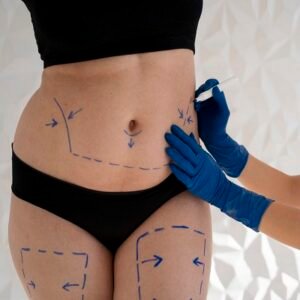
The field of aesthetic medicine has become an important area of interest for medical professionals who want to develop specialized skills in cosmetic and non-surgical treatments. As demand for aesthetic procedures continues to grow, structured education can help doctors understand modern treatment approaches, patient assessment, and clinical safety. An Aesthetic Doctor Course is designed to provide medical professionals with knowledge and practical exposure relevant to aesthetic medicine.
Aesthetic medicine includes a wide range of procedures focused on skin health, facial appearance, rejuvenation, and other cosmetic concerns. Proper training helps doctors understand how different procedures are selected and performed according to individual patient requirements.
What Is an Aesthetic Doctor Course?
An Aesthetic Doctor Course is a specialized training program for medical professionals who want to gain knowledge in aesthetic medicine. Depending on the institution, the course may combine classroom-based learning, demonstrations, case discussions, and hands-on practical training.
The curriculum may introduce doctors to facial anatomy, skin assessment, consultation techniques, treatment planning, injectables, skin rejuvenation, and other aesthetic procedures. Understanding patient expectations and developing appropriate treatment plans are also important parts of aesthetic practice.
Importance of Structured Aesthetic Training
Aesthetic procedures require more than an understanding of cosmetic techniques. Doctors need knowledge of anatomy, patient selection, treatment indications, contraindications, possible complications, and aftercare.
An Aesthetic Doctor Course can help professionals build a stronger foundation in these areas. Practical training under qualified supervision can also provide an opportunity to understand how procedures are approached in a clinical environment.
As aesthetic medicine continues to develop, professionals can benefit from education that covers established techniques as well as newer approaches used in modern aesthetic practice.
Understanding the Diploma in Cosmetology Syllabus
Students and medical professionals often research the Diploma in Cosmetology Syllabus before selecting a cosmetology or aesthetic training program. The exact syllabus can differ between institutions, but it may cover several important areas related to skin, hair, beauty treatments, and aesthetic procedures.
Common subjects may include:
- Basics of skin anatomy and physiology
- Skin assessment and common skin concerns
- Facial treatments and skin rejuvenation
- Chemical peels
- Hair and scalp care
- Laser and light-based treatments
- Cosmetic procedures
- Anti-ageing treatments
- Basic aesthetic consultation
- Infection control and safety
- Patient care and aftercare
Understanding the Diploma in Cosmetology Syllabus can help prospective students determine whether a program matches their educational and professional objectives. Before enrolling, students should review the complete curriculum, practical training structure, eligibility criteria, course duration, and certification details.
Practical Learning in Aesthetic Medicine
Practical exposure can be an important part of aesthetic education. While theoretical knowledge provides an understanding of anatomy, treatment principles, and clinical considerations, supervised practical sessions allow participants to observe how procedures are planned and performed.
Depending on the program, students may receive exposure to consultations, treatment demonstrations, case assessments, and supervised procedures. This combination of theoretical and practical learning can help develop a better understanding of aesthetic practice.
Choosing the Right Aesthetic Course
Medical professionals should carefully compare different programs before choosing an Aesthetic Doctor Course. Important factors include faculty experience, course curriculum, practical exposure, duration, certification, teaching methodology, and institutional reputation.
It is also important to check whether the course is designed specifically for doctors or healthcare professionals and whether its curriculum aligns with the learner’s career objectives.
A well-structured program should provide comprehensive knowledge while emphasizing patient safety, ethical practice, clinical assessment, and appropriate treatment planning.
Career Opportunities After Aesthetic Training
Aesthetic medicine can provide medical professionals with opportunities to expand their existing clinical knowledge into a specialized area. Depending on their qualifications, training, and applicable regulations, professionals may work in aesthetic clinics, dermatology practices, cosmetic centres, or establish services within their existing medical practice.
Choosing an Aesthetic Doctor Course can therefore be a valuable educational step for doctors interested in developing skills in aesthetic medicine. By reviewing the curriculum, practical training, faculty, and Diploma in Cosmetology Syllabus, prospective students can better understand what their chosen program offers and select training that supports their professional development.