Aerobic Septic System in Belton, TX: A Complete Guide for Homeowners
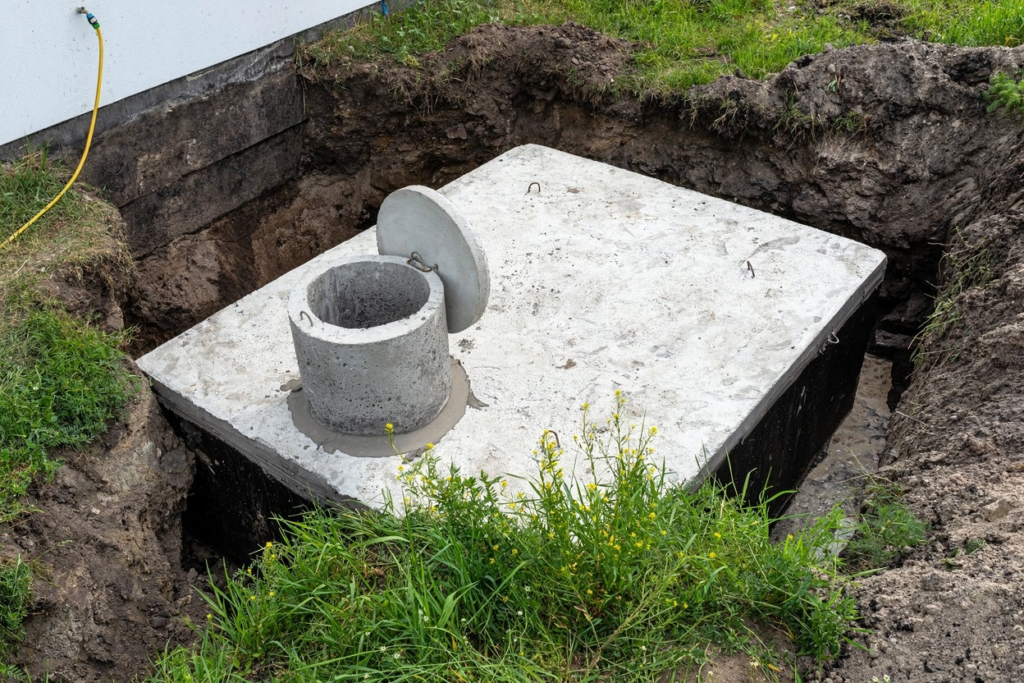
An aerobic septic system is an important wastewater treatment option for homes and properties that are not connected to a public sewer system. If you are looking for an Aerobic Septic System in Belton, TX, it is important to understand how these systems work, why they are used, and what kind of care they need. Unlike a basic septic system, an aerobic system uses oxygen to help bacteria break down wastewater more efficiently. This makes the system more advanced, but it also means that regular maintenance is important for reliable operation.
What Is an Aerobic Septic System?
An aerobic septic system, also called an aerobic treatment unit (ATU), is a type of on-site sewage facility. It treats household wastewater by using oxygen and naturally occurring bacteria to break down waste.
A traditional septic tank mainly works in an oxygen-free environment. An aerobic system adds oxygen to the treatment process. This allows aerobic bacteria to help treat the wastewater before it moves to the final disposal area.
In Texas, an aerobic treatment unit is considered a secondary treatment option. The Texas Commission on Environmental Quality (TCEQ) notes that aerobic treatment units can be used as part of an on-site sewage facility when the site and system design meet applicable requirements.
How Does an Aerobic Septic System Work?
An aerobic septic system has several stages that work together to treat wastewater.
First, wastewater from toilets, sinks, showers, washing machines, and other household plumbing flows into the treatment system. Solid materials begin to settle while wastewater moves through the treatment process.
Next, an aeration chamber introduces oxygen into the wastewater. An air pump or similar equipment helps circulate oxygen through the tank. The oxygen supports bacteria that break down organic waste.
After biological treatment, the wastewater moves to another part of the system for additional settling and treatment. Depending on the system design, the treated effluent may then be sent to a disposal area such as a drip irrigation or surface application system.
Because the system depends on mechanical and electrical components, it needs more attention than a simple conventional septic system.
Why Choose an Aerobic Septic System in Belton, TX?
Every property is different, so the right septic system depends on factors such as soil conditions, available space, wastewater flow, and site characteristics. TCEQ states that an on-site sewage facility should be based on a site evaluation before construction or installation.
For some properties around Belton, an aerobic system may be considered when site conditions make certain conventional septic designs unsuitable or when secondary treatment is needed.
Some potential benefits include:
- More advanced wastewater treatment
- Smaller or specialized disposal options in some designs
- Better treatment of organic waste
- Options for properties where a conventional system may not be suitable
- Efficient treatment when properly installed and maintained
However, an aerobic system is not automatically the right choice for every property. A qualified professional should evaluate the site before recommending a specific system.
Aerobic Septic System Installation
Installing an Aerobic Septic System in Belton, TX involves more than simply placing a tank underground. The property needs to be evaluated to determine which type of system can work properly.
TCEQ requires a site evaluation before an on-site sewage facility is constructed, installed, altered, extended, or repaired. The evaluation helps determine whether the soil and site conditions are appropriate for the proposed system.
The installation process may include:
- Evaluating the property and soil.
- Selecting an appropriate aerobic treatment system.
- Preparing the required design and plans.
- Obtaining the necessary permit.
- Installing the treatment unit and related components.
- Installing the disposal system.
- Testing and inspecting the completed system.
TCEQ also identifies different licensing levels for OSSF professionals. Installer Class II professionals are authorized to install all types of OSSF systems.
Why Regular Maintenance Matters
One of the most important things homeowners should understand about aerobic septic systems is that maintenance cannot be ignored.
Aerobic systems use components such as air pumps, electrical equipment, treatment chambers, and sometimes disinfection equipment. If one of these components stops working, the system may not treat wastewater correctly.
TCEQ explains that aerobic systems are more complex than conventional anaerobic systems and require more maintenance. Depending on the system and local requirements, maintenance may need to be performed by a licensed maintenance provider.
Regular maintenance can help identify problems before they become major repairs.
A maintenance visit may include checking:
- Air pumps
- Electrical components
- Treatment chambers
- Disinfection equipment
- Effluent quality
- Alarms and monitoring equipment
- Sludge levels
- Other system components
The exact maintenance schedule depends on the system, permit, manufacturer requirements, and applicable local rules.
Signs Your Aerobic Septic System May Have a Problem
Homeowners should pay attention to changes in how their septic system operates. Early warning signs can help prevent larger problems.
Common signs include:
- Sewage odors around the system
- Slow drains inside the home
- Toilets that flush slowly
- Standing water near the disposal area
- Unusually wet areas in the yard
- Sewage backing up into the home
- Unusual sounds from the air pump
- System alarms
- Grass growing unusually thick or green over part of the system
If you notice these signs, it is better to have the system inspected instead of waiting for the problem to become worse.
What Should Not Go Into an Aerobic Septic System?
Your septic system is designed to handle domestic wastewater. It is not designed to handle every type of chemical or household waste.
Avoid putting items such as:
- Grease and large amounts of cooking oil
- Paint
- Harsh chemicals
- Gasoline
- Pesticides
- Non-flushable wipes
- Paper towels
- Feminine hygiene products
- Cigarettes
- Other trash
TCEQ advises homeowners not to use toilets as trash cans and warns against putting harmful chemicals into an on-site sewage facility.
Using less water can also help reduce stress on the system. Fixing leaking faucets and toilets and spreading laundry throughout the week can help manage wastewater flow.
Aerobic Septic Tank Pumping
Aerobic systems still produce solids that need to be removed. However, there is no single pumping schedule that applies to every aerobic system.
TCEQ states that pumping frequency for aerobic treatment units depends on sludge depth and the manufacturer’s recommendations.
A professional can inspect the tank and determine whether pumping is needed based on the amount of accumulated solids.
Choosing an Aerobic Septic Service in Belton
When searching for an Aerobic Septic System in Belton, TX, homeowners should look beyond the initial installation price. A septic system is a long-term investment, so proper design, installation, inspection, and maintenance all matter.
Before hiring a septic professional, ask about:
- Licensing and experience
- System design
- Required permits
- Installation process
- Maintenance requirements
- Manufacturer recommendations
- Warranty information
- Emergency service
- Long-term operating costs
It is also important to understand what maintenance will be required after installation.
Keep Your Aerobic Septic System Working Properly
An aerobic septic system can provide effective wastewater treatment when it is properly designed, installed, and maintained. For homeowners in Belton, understanding the system before installation can make it easier to protect the property and avoid unnecessary problems.
Regular inspections, responsible water use, proper waste disposal, and timely repairs all contribute to better septic system performance. If you are considering an Aerobic Septic System in Belton, TX, have the property evaluated by a qualified septic professional and make sure the system meets applicable Texas and local requirements. TCEQ provides homeowner guidance on choosing, installing, permitting, and maintaining on-site sewage facilities.