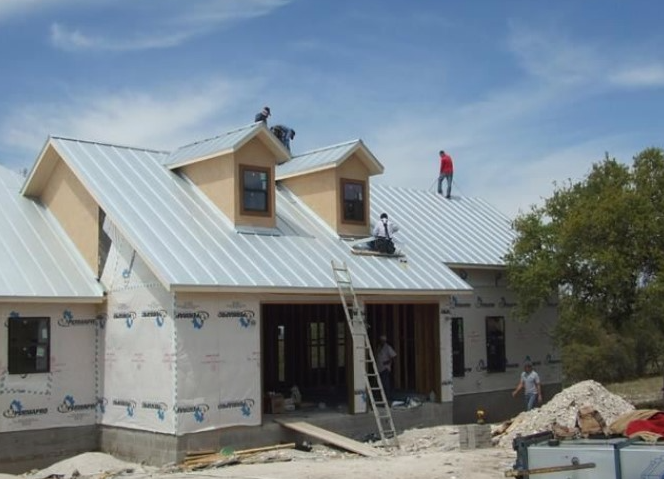
Texas properties experience a wide range of weather conditions throughout the year, including intense sunlight, heavy rain, strong winds, hail, and severe storms. These conditions can place continuous stress on roofing systems, making professional maintenance and timely repairs an important part of property ownership. roofing services in texas can cover everything from routine inspections and minor repairs to complete roof replacements and storm-related restoration. Understanding the available services helps homeowners and commercial property owners identify problems earlier, plan necessary work, and protect their buildings from weather-related deterioration.
Choosing a roofing company is an important decision because the roof affects the safety, comfort, and long-term condition of the entire property. A reliable contractor should be able to evaluate the existing roof, explain its condition clearly, recommend appropriate solutions, and complete work according to established installation and safety practices. For property owners researching roofing services in texas, factors such as local weather exposure, roofing materials, contractor experience, project communication, and maintenance requirements should all be considered before work begins.
Why Texas Weather Can Affect Roofing Systems
Texas weather can create several different challenges for roofing materials. Extended exposure to intense sunlight may accelerate the aging of certain roofing components, while sudden temperature changes can cause materials to expand and contract repeatedly. Heavy rain can test drainage systems and expose weak areas, while strong winds may loosen shingles, damage flashing, or move debris across the roof. Hail is another significant concern because impact can create damage that is difficult to identify from the ground. The combination of these conditions means that a roof that appears acceptable after installation can still require regular monitoring and maintenance as it ages. Understanding local environmental conditions allows property owners to take a more proactive approach to roof care.
Residential Roofing Services for Texas Homes
Residential roofing needs vary depending on the home’s design, roof slope, material, age, and exposure to weather. Common services include roof inspections, leak investigation, shingle repairs, storm damage assessment, ventilation evaluation, and complete replacement when the existing system has reached the end of its useful life. A professional inspection can help determine whether a problem is isolated or connected to a broader roofing issue. For example, a small water stain inside a home may indicate damage around flashing, a roof penetration, or another area where moisture is entering. Addressing the source rather than simply treating the visible interior symptom can help prevent additional deterioration and reduce the risk of recurring problems.
Commercial Roofing Requires a Different Approach
Commercial properties often have different structural and operational requirements than residential buildings. Flat and low-slope roofing systems may require specialized inspection and maintenance procedures, while larger buildings can present additional challenges involving drainage, access, equipment, and business continuity. A commercial roofing project should therefore begin with an assessment of the existing system and the property’s specific requirements. Repairs may involve localized membrane damage, flashing, drainage components, or other roofing elements, while replacement decisions may depend on the roof’s overall condition and remaining service life. Property managers should also consider how roofing work will affect employees, customers, inventory, and daily operations when planning a major project.
Storm Damage Inspection and Roof Repairs
Severe weather can cause roofing problems that require prompt attention. After hail or high winds, property owners may notice missing shingles, dents, damaged gutters, exposed materials, or debris on the roof. However, not all storm damage is immediately visible, and some problems may only become apparent after subsequent rainfall. A professional inspection can evaluate vulnerable areas and determine whether repairs are necessary. When damage is confirmed, the appropriate solution depends on its severity and location. Localized issues may be repairable, while extensive damage or an aging roofing system may make replacement more practical. Property owners should document visible damage and avoid unnecessary roof access, particularly when the surface may be unstable.
Choosing the Right Roofing Materials
Material selection can have a significant effect on a roof’s appearance, durability, maintenance needs, and performance. Asphalt shingles are commonly used for residential properties because they are available in a variety of styles and configurations. Metal roofing can offer a different combination of durability and design flexibility, while commercial properties may use specialized systems suited to low-slope applications. The right choice depends on factors such as building design, local weather exposure, budget, expected service life, and maintenance preferences. Rather than choosing a material based solely on initial price, property owners should consider its overall suitability for the structure and the conditions it will face throughout the year.
How to Choose a Reliable Texas Roofing Contractor
A roofing contractor should be evaluated based on more than an attractive estimate. Property owners should look at relevant experience, licensing and insurance requirements, communication practices, inspection procedures, and familiarity with the type of roofing system involved. A professional contractor should be willing to explain the scope of work, materials, preparation requirements, expected timeline, and potential complications before the project begins. Clear documentation can also help prevent misunderstandings about what is included in an estimate. Customers should be cautious of contractors who pressure them into immediate decisions without adequately explaining the roof’s condition. A careful evaluation process gives property owners a better opportunity to select a company whose capabilities match the project’s actual requirements.
Preventive Roof Maintenance Can Reduce Future Problems
Roof maintenance is often less disruptive than responding to an unexpected major failure. Regular inspections can help identify damaged shingles, deteriorating flashing, blocked drainage, and other concerns before they develop into larger problems. Gutters and drainage pathways should remain clear, while nearby trees should be monitored for branches that could fall onto the roof during severe weather. After major storms, a professional assessment can be useful even if there is no obvious interior leak. Maintaining records of inspections, repairs, and replacements can also help property owners understand how the roofing system has changed over time. Preventive care does not eliminate the possibility of damage, but it can support earlier detection and more informed maintenance decisions.
Understanding When Roof Repair or Replacement Makes Sense
Repair and replacement serve different purposes, and deciding between them requires consideration of the roof’s overall condition. A relatively new roof with isolated damage may benefit from a targeted repair, while an older roof with widespread deterioration may require a more comprehensive solution. Repeated leaks, extensive material failure, significant storm damage, or ongoing maintenance problems can all be reasons to evaluate whether replacement is more practical. Cost should be considered, but it should not be the only factor. The condition of the underlying structure, expected remaining service life, material availability, and long-term maintenance requirements can all influence the decision. A professional inspection provides the information needed to compare these options realistically.
Conclusion
Professional roofing services in texas play an important role in maintaining residential and commercial properties exposed to the state’s demanding weather conditions. From routine inspections and preventive maintenance to emergency storm assessments, repairs, and complete replacements, the right service depends on the property’s specific condition and requirements. Property owners can make better roofing decisions by addressing warning signs promptly, selecting appropriate materials, evaluating contractors carefully, and maintaining the roof throughout its service life. A proactive approach can help protect the building, reduce avoidable damage, and provide a clearer path when major roofing work eventually becomes necessary.