Maintaining healthy vision is an important part of overall wellness. As people spend more time looking at computers, smartphones, televisions, and other digital screens, eye comfort and long-term eye health have become common concerns. Nutrition, lifestyle habits, regular eye examinations, and protection from environmental factors can all contribute to maintaining healthy eyes.
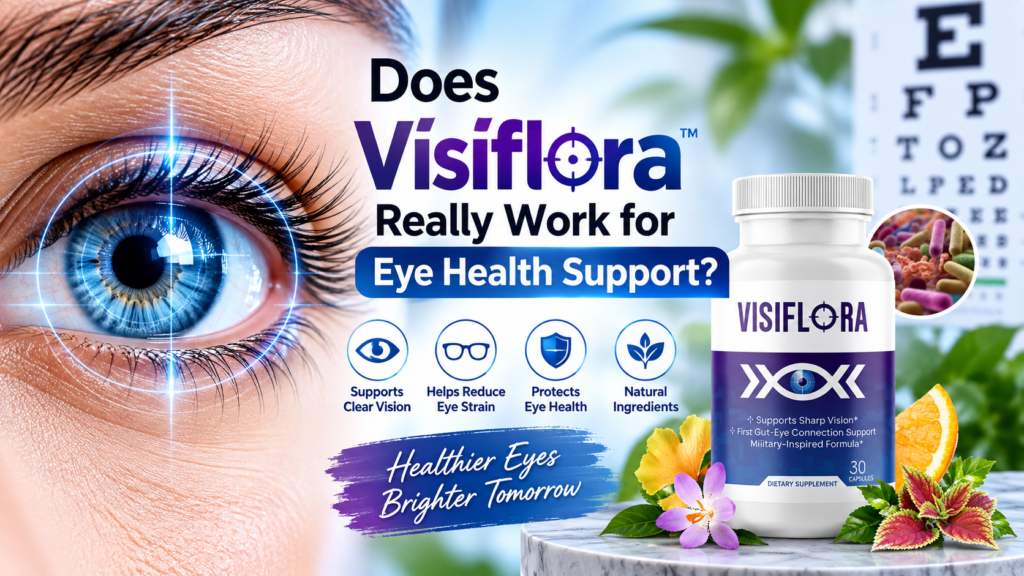
Visiflora is marketed as a dietary supplement designed to support eye health. But does Visiflora really work for eye health support? Understanding what an eye-health supplement can and cannot do requires looking at its intended purpose, ingredients, nutritional role, and how it fits into a broader healthy lifestyle.
What Is Visiflora?
Visiflora is an eye-health dietary supplement intended to provide nutritional support for vision and general eye wellness. Products in this category commonly focus on nutrients and plant compounds associated with normal visual function and protection against oxidative stress.
Rather than being considered a treatment for an eye disease, an eye-health supplement should generally be viewed as part of a broader approach to maintaining nutritional support for the eyes.
The potential value of any supplement depends on its specific formulation, ingredient amounts, individual nutritional needs, diet, lifestyle, and overall health.
Does Visiflora Really Work?
The answer depends on what you expect from the product.
Visiflora may provide nutritional support for normal eye function when used according to its label directions. However, supplements should not be expected to restore vision, reverse an established eye condition, or replace professional medical treatment.
Eye health is influenced by several factors, including age, genetics, nutrition, blood pressure, blood sugar, smoking, UV exposure, screen habits, and existing medical conditions.
Therefore, Visiflora should be considered a potential nutritional support product rather than a guaranteed solution for every vision-related concern.
How Can Nutrition Support Eye Health?
The eyes require a range of nutrients to function properly. A balanced diet containing vegetables, fruits, whole grains, healthy fats, and adequate protein can help provide important vitamins, minerals, and antioxidants.
Nutrients commonly associated with eye health include vitamins A, C, and E, zinc, and certain carotenoids such as lutein and zeaxanthin.
These nutrients have different roles in the body. For example, vitamin A contributes to normal vision, while antioxidants help the body manage oxidative processes.
A supplement can potentially help fill nutritional gaps, but it should complement rather than replace a varied diet.
Potential Benefits of an Eye Health Supplement
Depending on its formulation, an eye-health supplement may be intended to support several aspects of general eye wellness.
Supports Normal Vision
Certain nutrients are essential for normal visual function. Maintaining adequate nutritional intake can therefore be an important part of overall eye care.
Provides Antioxidant Support
The body naturally experiences oxidative stress. Antioxidant nutrients and plant compounds can help support the body’s natural defenses against oxidative processes.
Supports General Eye Wellness
A nutritional formula designed for eye health may provide nutrients intended to support the normal functioning of eye tissues.
Complements a Healthy Lifestyle
An eye-health supplement can be incorporated into a broader routine that includes nutritious food, regular physical activity, adequate sleep, and appropriate eye care.
What Ingredients Should You Look For?
The exact Visiflora formula should always be checked against the product’s current official label because formulations can change. In general, consumers researching eye-health supplements may encounter ingredients such as:
- Vitamin A
- Vitamin C
- Vitamin E
- Zinc
- Lutein
- Zeaxanthin
- Other antioxidant or botanical compounds
Each ingredient has a different nutritional role, and more is not necessarily better.
When evaluating Visiflora, look at the complete Supplement Facts panel, serving size, ingredient amounts, manufacturer information, directions, and applicable warnings.
Lutein and Zeaxanthin for Eye Health
Lutein and zeaxanthin are naturally occurring carotenoids found in foods such as leafy green vegetables, corn, and egg yolks.
They are particularly interesting in eye-health research because these compounds are found in the retina. Dietary intake of these carotenoids is therefore commonly discussed in relation to maintaining eye health.
However, the effects of supplementation can vary between individuals. A supplement should not be interpreted as a guaranteed way to prevent or treat a particular eye disorder.
Can Visiflora Improve Eyesight?
A dietary supplement may provide nutrients that support normal eye function, but that does not necessarily mean it can improve visual acuity or eliminate the need for glasses or contact lenses.
If someone experiences blurry vision, difficulty seeing at night, sudden changes in vision, flashes, floaters, eye pain, or other unusual symptoms, nutritional supplementation should not be used as a substitute for an eye examination.
An optometrist or ophthalmologist can determine whether corrective lenses, treatment, monitoring, or another intervention is appropriate.
Visiflora and Digital Eye Strain
Digital eye strain is increasingly common among people who spend long periods using computers and smartphones.
Symptoms can include temporary eye discomfort, dryness, blurred vision, headaches, and difficulty focusing.
While nutrition is one component of eye wellness, supplements alone cannot address all causes of digital eye strain.
Simple habits can also help:
- Follow the 20-20-20 rule by looking away from the screen regularly.
- Keep the screen at a comfortable viewing distance.
- Adjust screen brightness and contrast.
- Remember to blink regularly.
- Take short breaks during prolonged screen sessions.
- Maintain appropriate lighting in the workspace.
These habits can work alongside a balanced diet and appropriate nutritional support.
How to Use Visiflora
Anyone considering Visiflora should follow the serving instructions provided on the current product label.
Do not exceed the recommended serving unless advised by a qualified healthcare professional.
Taking a supplement consistently according to its directions is generally more appropriate than taking larger quantities in an attempt to obtain faster results.
Individual responses can differ, and nutritional supplements are not expected to produce identical results for everyone.
How Long Does It Take to See Results?
There is no universal timeframe for experiencing benefits from an eye-health supplement.
Nutritional support is different from medication designed to treat an acute condition. If a person’s diet is already nutritionally adequate, adding a supplement may not produce an obvious change in how their vision feels or performs.
Results can depend on dietary intake, nutritional status, age, lifestyle, and other individual factors.
Anyone expecting a supplement to produce a dramatic or immediate change in eyesight should keep expectations realistic.
Who May Consider an Eye Health Supplement?
Adults interested in maintaining their nutritional support for eye wellness may consider an eye-health supplement after reviewing the product’s ingredients and suitability.
However, supplementation is not automatically necessary for everyone.
People with a balanced diet may already obtain many important nutrients from food. Others may have specific nutritional needs that should be discussed with a healthcare professional.
People who are pregnant, breastfeeding, taking medications, managing a medical condition, or considering supplements for an existing eye problem should consult a qualified healthcare professional before use.
Visiflora vs. a Healthy Diet
A supplement should not replace healthy food.
Foods such as spinach, kale, broccoli, carrots, citrus fruits, berries, eggs, nuts, seeds, and fish can contribute important nutrients to a balanced diet.
A practical approach is to view supplements as an optional addition to good nutrition rather than a replacement for it.
A healthy eating pattern also provides fiber, protein, healthy fats, and other nutrients that a single supplement may not contain.
Other Ways to Protect Eye Health
Supporting eye health involves more than taking a supplement.
Get Regular Eye Exams
Regular comprehensive eye examinations can help identify vision changes and certain eye problems, sometimes before noticeable symptoms develop.
Protect Your Eyes From UV Exposure
Prolonged exposure to ultraviolet radiation can be harmful to the eyes. Sunglasses that provide appropriate UV protection can be useful when spending time outdoors.
Avoid Smoking
Smoking is associated with several serious health problems, including risks affecting eye health. Avoiding tobacco is an important part of overall wellness.
Maintain a Balanced Diet
A diet rich in vegetables, fruits, whole grains, healthy fats, and other nutrient-dense foods can support overall health, including the eyes.
Manage General Health
Conditions such as high blood pressure and elevated blood sugar can affect eye health. Appropriate medical care and healthy lifestyle habits are therefore important.
Are There Any Side Effects or Precautions?
The safety of Visiflora depends on its actual ingredients, quantities, and the individual using it.
Even nutrients can cause problems when consumed in excessive amounts. Some supplements may also interact with medications or other nutritional products.
For this reason, consumers should:
- Read the complete product label.
- Follow the recommended serving.
- Avoid combining multiple products containing the same high-dose nutrients without professional advice.
- Check with a healthcare professional if taking prescription medication.
- Stop use and seek appropriate medical advice if an unexpected reaction occurs.
Do not use an eye-health supplement to delay medical evaluation of a concerning vision symptom.
Get More Information From VisiFlora Official Website
What Should You Check Before Buying Visiflora?
Before purchasing any dietary supplement, it is sensible to review several details.
Check the Ingredient Label
Look at the complete list of ingredients and the amount supplied per serving.
Verify the Manufacturer
Check whether the product provides clear manufacturer and contact information.
Review Directions
Understand the recommended serving and any usage instructions before purchasing.
Look for Appropriate Warnings
Read contraindications, allergy information, storage instructions, and other warnings provided on the label.
Consider Your Personal Needs
Think about your diet, existing supplements, medications, and health circumstances before adding another product.
Is Visiflora a Replacement for Professional Eye Care?
No.
A supplement cannot replace an eye examination, prescription glasses, contact lenses, or medical treatment when these are needed.
Eye symptoms can have many causes, and some conditions require timely professional attention. Sudden vision loss, severe eye pain, sudden flashes or numerous new floaters, or other abrupt changes should receive prompt medical evaluation.
Visiflora should therefore be considered within a complete eye-care strategy rather than as a standalone solution.
Final Thoughts: Does Visiflora Really Work for Eye Health Support?
So, does Visiflora really work for eye health support?
Visiflora may be useful as a nutritional supplement intended to support general eye wellness, depending on its current formulation and the individual’s nutritional needs. Ingredients commonly used in eye-health formulas, including vitamins, minerals, and carotenoids, have established nutritional roles.
However, it is important to maintain realistic expectations. An eye-health supplement is not a guaranteed treatment for vision problems and should not replace professional eye care.
The most comprehensive approach combines good nutrition, healthy lifestyle habits, UV protection, responsible screen use, regular eye examinations, and professional medical advice when symptoms occur.
Anyone considering Visiflora should review its current label, understand the ingredients and serving instructions, and discuss supplementation with a qualified healthcare professional when appropriate.