What Are Wire Terminals & Splices and Why Are They Essential for Reliable Electrical Connections?
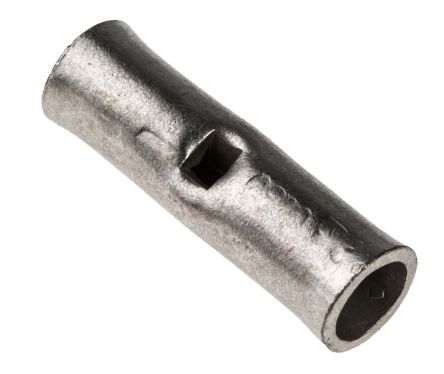
Wire Terminals & Splices
Introduction to Wire Terminals & Splices
Wire Terminals & Splices play a critical role in creating safe, efficient, and long lasting electrical connections across industrial, commercial, and residential systems. Whether used in control panels, automotive wiring, or power distribution setups, these components ensure secure conductivity while reducing the risk of faults, overheating, and signal loss.
Understanding how Wire Terminals & Splices function and where they are best applied helps engineers, technicians, and installers improve system reliability and maintain compliance with electrical standards.
What Are Wire Terminals & Splices
Wire terminals are connectors that allow wires to be safely attached to electrical devices, switches, or terminals. They provide a structured and stable connection point that enhances both mechanical strength and electrical performance.
Splices, on the other hand, are used to join two or more wires together. They are essential when extending wire lengths, repairing damaged cables, or creating branching circuits.
Both components are designed to maintain conductivity while protecting the connection from environmental factors such as moisture, vibration, and corrosion.
Types of Wire Terminals
Wire terminals come in various designs to suit different applications and connection methods. Selecting the right type ensures proper fit, conductivity, and safety.
Ring Terminals
Ring terminals feature a circular end that fits securely over a stud or screw. Once tightened, they provide a highly reliable connection that resists accidental disconnection.
- Ideal for high vibration environments
- Commonly used in automotive and industrial systems
- Offers strong mechanical retention
Spade Terminals
Spade terminals have a fork shaped end that allows for quick installation and removal without completely removing the screw.
- Suitable for applications requiring frequent maintenance
- Saves time during installation
- Provides moderate mechanical strength
Butt Connectors
Butt connectors are used to join two wires end to end, forming a continuous electrical path.
- Common in cable repair and extensions
- Available in insulated and non insulated types
- Supports various wire sizes
Pin Terminals
Pin terminals are designed for insertion into terminal blocks where a secure and compact connection is required.
- Ideal for control panels
- Ensures neat and organized wiring
- Prevents wire strand damage
Types of Wire Splices
Wire splices are essential for modifying or extending electrical circuits. Different splice types are designed for specific applications and environments.
Inline Splices
Inline splices connect wires in a straight line, maintaining continuity without altering the direction of the cable.
- Used for extending wire length
- Maintains consistent current flow
- Suitable for enclosed systems
Tap Splices
Tap splices allow a new wire to be connected to an existing wire without cutting it completely.
- Useful for branching circuits
- Minimizes disruption to existing wiring
- Ideal for quick modifications
Western Union Splice
This traditional splice method involves twisting wires together for a strong mechanical and electrical connection.
- Common in low voltage applications
- Provides excellent tensile strength
- Often reinforced with solder or insulation
Materials and Insulation Options
The performance of Wire Terminals & Splices depends heavily on the materials used in their construction.
Conductive Materials
Most terminals and splices are made from copper or tinned copper, offering high conductivity and corrosion resistance. Aluminum options are also available for specific applications where weight and cost are considerations.
Insulation Types
Insulated terminals provide protection against electrical shock and environmental damage. Common insulation materials include:
- PVC for general purpose applications
- Nylon for higher temperature resistance and durability
- Heat shrink insulation for enhanced sealing and protection
Key Benefits of Using Wire Terminals & Splices
Using high quality Wire Terminals & Splices improves both the safety and efficiency of electrical systems.
- Ensures secure and stable electrical connections
- Reduces the risk of short circuits and electrical faults
- Enhances resistance to vibration and mechanical stress
- Improves organization and readability of wiring systems
- Simplifies installation and maintenance processes
Applications Across Industries
Wire Terminals & Splices are widely used across multiple industries due to their versatility and reliability.
Industrial Automation
Used in control panels, machinery, and automation systems to ensure consistent signal and power transmission.
Automotive Systems
Essential for vehicle wiring harnesses, battery connections, and lighting systems where durability and vibration resistance are critical.
Construction and Electrical Installations
Common in residential and commercial wiring for connecting switches, outlets, and distribution boards.
Telecommunications
Supports structured cabling and ensures stable connections in data and communication networks.
How to Choose the Right Wire Terminals & Splices
Selecting the appropriate components is essential for achieving optimal performance and safety.
- Match the terminal or splice size with the wire gauge
- Consider the operating environment such as temperature and moisture
- Choose insulated options for added protection
- Verify compatibility with the connection type and equipment
- Ensure compliance with relevant electrical standards
Installation Best Practices
Proper installation of Wire Terminals & Splices is key to ensuring long term reliability.
- Strip wires to the correct length without damaging strands
- Use appropriate crimping tools for secure connections
- Avoid over crimping or under crimping
- Inspect connections for tightness and alignment
- Apply insulation or protective covers where necessary
Conclusion
Wire Terminals & Splices are fundamental components in any electrical system, providing the reliability and safety needed for efficient operation. By understanding their types, materials, and applications, professionals can make informed decisions that enhance performance and reduce maintenance issues. Proper selection and installation ensure that electrical connections remain secure, organized, and capable of meeting the demands of modern systems.