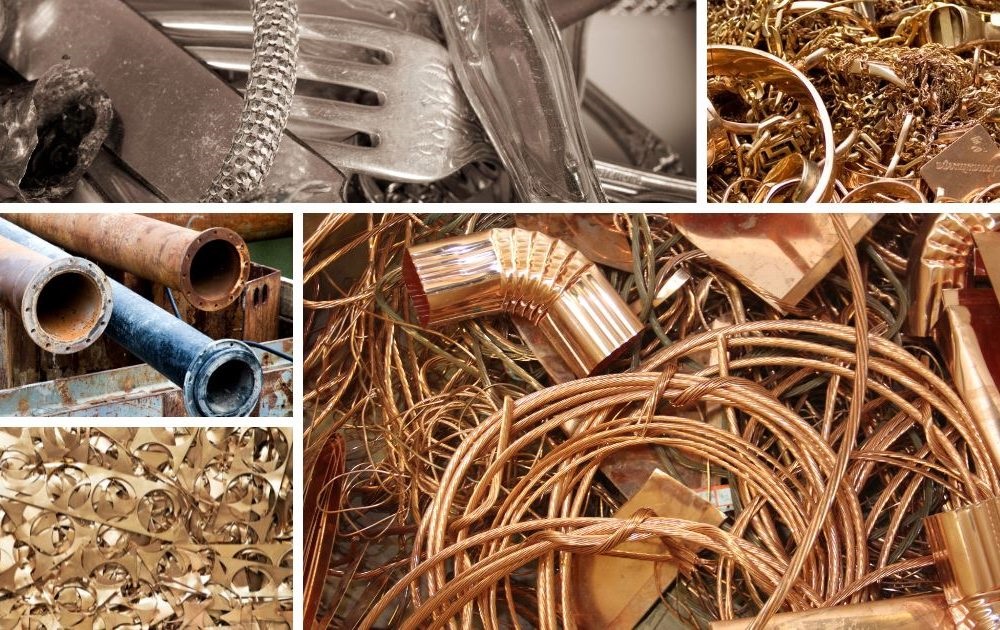
A few weekends back I finally decided I was gonna tackle a job I had been avoiding for months, it was one of those “later” things. Behind my workshop there was this growing collection of metal scraps from old projects, fixes, and random stuff I never got around to throwing away. I had steel brackets, copper cable offcuts, broken tools, and little bits of aluminium tucked into every corner, like they’d just been quietly piling up.
At first my plan was kinda straight forward. I just wanted to clear some space.
What I didn’t expect was to spend part of the day learning about scrap metal price, and also how much effort is actually involved in recycling materials that most people treat as plain rubbish.
Why I Started Paying Attention
When i started sorting through everything, i noticed there was far more metal than I thought there would be. What looked like a pile of junk, kind of felt like a blend of valuable materials just waiting to be separated, somehow.
My collection included:
- Old copper wiring
- Aluminium offcuts
- Steel components
- Damaged metal fittings
- Mixed non-ferrous scrap
The more I sorted things, the more I got curious about scrap metal prices and about what actually determines the worth of different materials, like what makes one thing sell faster than another.
I always knew metals can be recycled, but I didn’t really grasp how the pricing works , or why certain materials are suddenly more wanted than the rest.
Process
After loading everything into the trailer, I headed to a local recycling yard.
The first thing I noticed was how organised the place felt. Every section had a purpose. Trucks moved in and out, forklifts transported materials, and workers directed loads to different areas depending on the metal type.
Copper recycling, steel processing, and non-ferrous metal recycling all appeared to have dedicated spaces.
Watching the process unfold was surprisingly interesting.
A few things stood out:
- Separate collection areas for different metals
- Fast identification of recyclable materials
- Efficient weighing and sorting systems
- Dedicated handling of copper cable recycling
- Structured scrap metal processing workflows
Even though hundreds of kilograms of material seemed to be moving around, everything looked controlled and methodical.
A Small Conversation
While waiting near the weighing station, I spoke briefly with one of the yard workers.
I asked him whether most people know the difference between various metals before bringing them in.
He laughed and said, “Most don’t. They just know they’ve got scrap.”
That response stuck with me, like more than I expected. It was probably true for me as well, you know. Before that day, I hadn’t paid much attention to what actually separates copper, aluminium, or steel from one another beyond how they look, honestly.
He said that good sorting helps boost recovery rates, and it makes recycling far more efficient, not just kinda better.
Actual Benefits
The visit helped me understand why recycling facilities place so much importance on organisation.
The benefits became pretty obvious:
- Better recovery of reusable materials
- Reduced landfill waste
- More efficient copper scrap collection
- Improved non-ferrous metal recycling outcomes
- Support for sustainable metal recycling services
At one point, I even overheard someone mention Metro Copper while discussing copper recovery solutions. It reminded me how important specialised recycling operations are within Melbourne’s broader recycling industry.
What started as a clean-up suddenly felt connected to something much larger.
Why It Matters
One thing became clear during the visit.
The value behind scrap metal price isn’t simply about weight. Material quality, contamination levels, sorting, and market demand all play a role.
Clean copper cable recycling materials are handled differently from mixed scrap. Non-ferrous metals often follow different processing pathways compared to steel.
There’s a whole system operating behind the scenes that most people never see.
Before this experience, I thought recycling yards simply collected metal and sold it on. The reality is much more detailed than that.
Final Thoughts
Looking back, I kind of expected the day to be boring or, i dunno, just… plain.
I figured I’d spend a few hours cleaning up, take a trip out to the yard, and then be done with it.
But no, somehow I ended up with a better appreciation for how the recycling process actually works. I also got a clearer understanding of how scrap metal price gets influenced by the material type, the overall quality, and even how well everything is prepared or sorted.
And honestly, it changed the way I see leftover metal around the workshop. What used to look like clutter, random mess, now feels more like a pile of recoverable resources that can be reused , instead of just wasted.