
Primary care providers are often the first clinicians patients trust when depression, trauma symptoms, anxiety, or emotional distress escalates. As interest in ketamine grows, patients may ask about online ketamine treatment, safety, cost, and access before seeing a specialist. PCPs do not need to become ketamine prescribers, but they should understand how legitimate clinical programs work and how to keep care coordinated.
Here’s what primary care providers should know about evaluating, discussing, and coordinating ketamine treatment options for their patients.
Why Patients Are Asking PCPs First
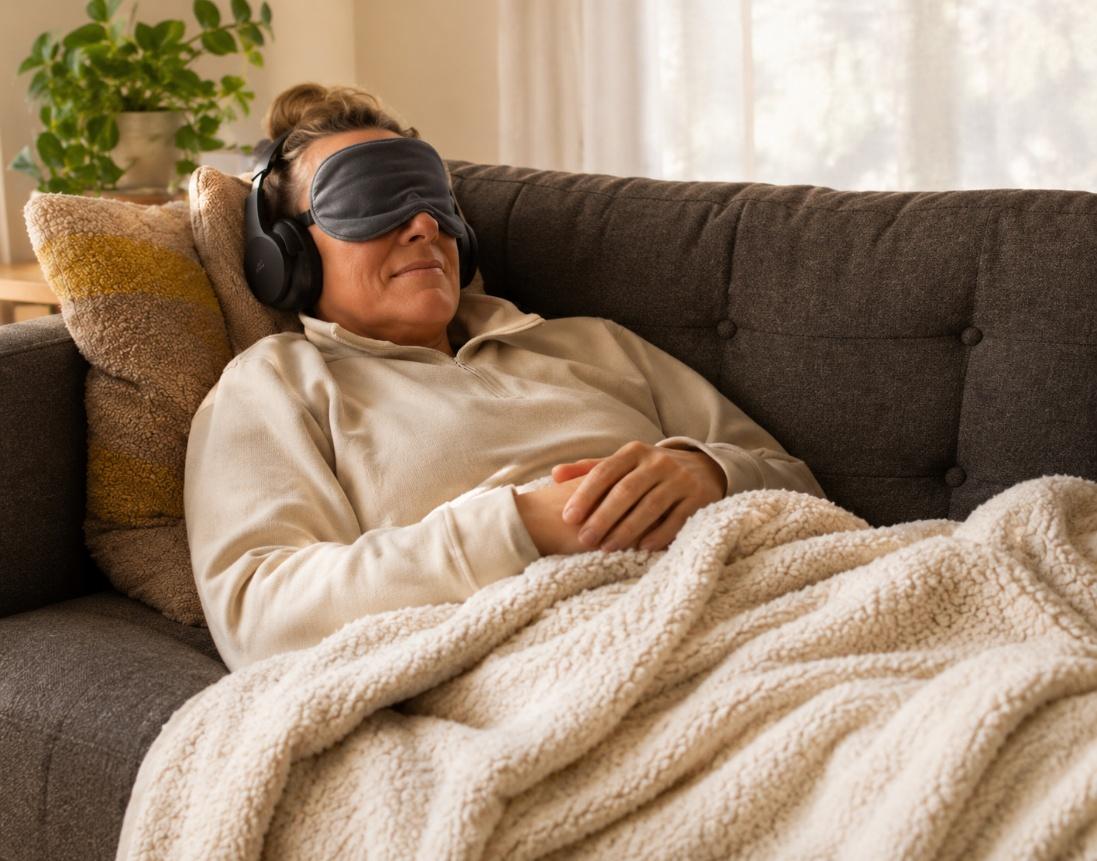
Ketamine therapy has moved from infusion clinics into monitored telehealth models, including home-based ketamine treatment and ketamine troche therapy. Patients may bring it up after trying antidepressants, facing limited access to psychiatry, or seeing confusing claims online. A calm, informed response helps separate responsible care from risky self-use.
For patients in underserved areas, virtual care can reduce travel barriers, appointment delays, and stigma. Options such as at-home ketamine therapy in Arizona may appeal to individuals who want professional oversight without repeated clinic visits. PCPs can help patients understand that convenience should never replace screening, monitoring, and care-team communication.
How Telehealth Ketamine Programs Usually Work

A structured telehealth program typically begins with a medical intake, mental health history, medication review, and evaluation by a licensed clinician. The provider determines whether ketamine is appropriate, discusses potential benefits and risks, and explains how treatment sessions should be conducted at home.
When prescribed, medication may be shipped from a licensed pharmacy, with instructions, dosing guidance, safety precautions, and follow-up requirements. Patients may use oral troches, sublingual tablets, or nasal formulations depending on clinician judgment. PCPs should encourage patients to choose programs with provider access, clear consent, emergency guidance, and follow-up.
What Clinical Oversight Should Include
Quality oversight goes beyond prescribing. It should include screening for uncontrolled hypertension, psychosis, active substance misuse, pregnancy concerns, unstable cardiac disease, and medication interactions. Providers should also review diagnoses, suicide risk, home support, and whether the patient can safely follow session instructions.
PCPs should ask patients whether the program provides pre-treatment education, monitored check-ins, dose adjustments, side effect tracking, and communication between visits. Affordable at-home ketamine therapy options can be valuable, but affordability should be paired with responsible prescribing, documentation, and licensed medical support.
When Referral May Be Appropriate
Referral may be reasonable when patients have treatment-resistant depression, PTSD symptoms, or anxiety that has not improved with standard care, especially if they are already engaged in therapy or psychiatric medication management. Ketamine may also be considered when specialty care is limited and the patient is clinically stable enough for telehealth evaluation.
However, PCPs should avoid treating ketamine as a casual wellness product. Patients with acute suicidality, unstable substance use, mania, psychosis, severe medical instability, or poor home support may need higher-level care, psychiatry, emergency evaluation, or in-person treatment. The goal is matching the patient to the safest setting.
Coordinating With the Prescribing Platform
Care coordination helps PCPs remain aware of changes that may affect blood pressure, mood, cognition, sleep, or medication adherence. With patient consent, PCPs can request treatment summaries, dosing updates, adverse event notes, and follow-up recommendations from the ketamine provider.
PCPs should document baseline symptoms, current medications, medical conditions, and patient goals before referral. During routine visits, they can ask about response, side effects, dissociation, misuse, and whether therapy or lifestyle supports are continuing. This creates continuity without taking over the ketamine treatment plan.
Counseling Patients About Online Safety
Patients may search for buying ketamine online and encounter unsafe sellers or vague wellness sites. PCPs should explain that ketamine should only be used when prescribed by a licensed clinician after proper screening. Unverified online sources can expose patients to incorrect dosing, contaminated products, legal problems, and serious risks.
Encourage patients to verify that any platform uses licensed providers, legitimate pharmacies, secure records, and follow-up. Responsible online ketamine treatment should feel like medical care, not a checkout-only transaction.
A Smarter Path for Patient Support
DaytrypRX offers at-home ketamine therapy in Arizona through a convenient telehealth model designed around provider evaluation, discreet delivery, and ongoing support. The platform also offers wellness and longevity options, including hair force one medication, tirzepatide oral tablets, and testosterone cypionate injections for sale when clinically appropriate.
For primary care providers, DaytrypRX can serve as a coordinated option for patients asking about ketamine access, weight management, hormone support, and healthy aging services.
Contact them today to learn more about ketamine therapy, wellness treatments, and provider-supported care options.
About the Author
The author is a healthcare writer who creates patient-focused medical content for clinics, telehealth brands, and wellness platforms. Her work emphasizes clear education, responsible access, coordinated care, and practical guidance for patients and providers exploring evolving treatment options in modern medicine safely.