Most AC systems do not fail overnight. The warning signs usually start much earlier. Weak airflow, unusual noises, higher energy bills, or uneven cooling are often ignored until the unit completely stops working. By that point, the repair cost is usually far higher than it should have been.
Homeowners often try to avoid maintenance appointments to save money, but that decision usually creates bigger expenses later. Routine inspections help catch small problems before they damage major parts inside the system. Professional ac services in nye country can help homeowners keep their systems running properly before summer temperatures put extra stress on the equipment.
Emergency Repairs Usually Cost More Than Expected
An emergency AC repair rarely involves one small issue. In many cases, multiple components are already struggling before the breakdown happens. A dirty filter may have restricted airflow for months. Low refrigerant levels may have forced the compressor to work harder than normal. Electrical parts may have been overheating without anyone noticing.
Once the system finally fails, homeowners often end up paying for:
- Emergency service calls
- Expensive replacement parts
- Overtime labor charges
- Refrigerant repairs
- Compressor damage
- Temporary cooling solutions
The timing also makes things worse. Most breakdowns happen during extreme heat when HVAC companies are overloaded with service requests. That means longer wait times and higher costs.
Small AC Problems Become Bigger Problems Fast
Air conditioners run for long hours during summer, especially in hot and dry areas. Even a small issue can create extra strain on the entire system if it is ignored.
Take clogged air filters as an example. A filter replacement costs very little, but restricted airflow can freeze the evaporator coil and eventually damage the compressor. Replacing a compressor is one of the most expensive AC repairs a homeowner can face.
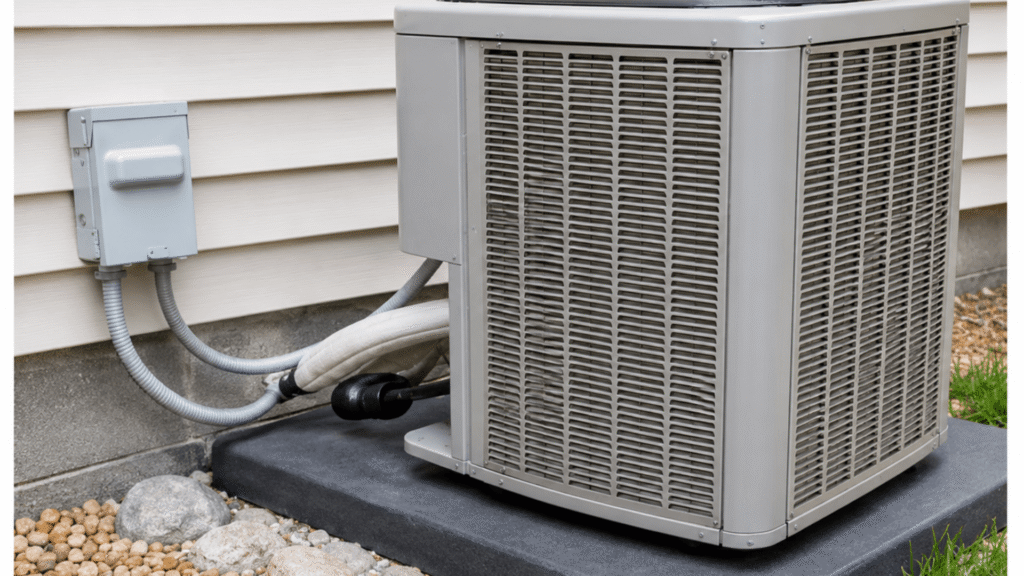
Dirty condenser coils create similar problems. When outdoor coils are covered with dust and debris, heat cannot leave the system properly. The AC keeps running longer, energy use increases, and internal parts wear out faster.
These are not rare situations. HVAC technicians deal with preventable damage every summer because maintenance was delayed too long.
Preventive Maintenance Helps Lower Energy Bills
A neglected AC system works harder than necessary. Longer run times and restricted airflow increase electricity usage, even if the cooling performance already feels weak.
Routine maintenance helps improve system efficiency by cleaning and inspecting important components, including:
- Air filters
- Condenser coils
- Drain lines
- Refrigerant levels
- Electrical connections
- Blower components
- Thermostat settings
When these parts are cleaned and adjusted properly, the system cools more effectively without overworking itself.
Many homeowners notice lower monthly utility bills after servicing their AC system because the unit no longer struggles to maintain indoor temperatures.
Regular Maintenance Helps AC Systems Last Longer
Replacing an air conditioning system is expensive. Most homeowners want their equipment to last as long as possible before dealing with a full replacement.
Preventive maintenance helps reduce wear on critical components. Motors, capacitors, fans, and compressors all experience less stress when the system operates efficiently.
Skipping maintenance shortens equipment lifespan because small issues continue putting pressure on the system year after year.
A well-maintained AC unit can often last several years longer than one that receives little or no servicing.
AC Breakdowns Create More Than Repair Costs
Most people only think about the repair invoice, but emergency breakdowns often create other problems inside the home.
A failing AC system during peak summer can lead to:
- Poor indoor comfort
- Excess humidity
- Interrupted sleep
- Indoor air quality problems
- Water leaks from clogged drain lines
- Higher electricity bills before failure occurs
For families with children, elderly residents, or pets, losing cooling during extreme heat becomes more than an inconvenience.
Preventive maintenance reduces the chances of sudden breakdowns when the system is needed most.
Seasonal Maintenance Makes a Big Difference
The best time to inspect an AC system is before temperatures rise for summer. Waiting until the unit starts struggling usually means the damage has already started.
During seasonal maintenance visits, technicians can identify worn or failing parts early. Weak capacitors, refrigerant leaks, clogged drain lines, and electrical problems are easier and cheaper to fix before they turn into major repairs.
Spring maintenance appointments also help homeowners avoid the rush that happens during peak cooling season.
Better Airflow and Cleaner Indoor Air
A poorly maintained AC system affects more than cooling performance. Dust buildup inside the system can reduce airflow and circulate indoor contaminants throughout the home.
Clean filters and coils help improve:
- Air circulation
- Humidity control
- Indoor comfort
- Dust reduction
- Overall cooling performance
Homeowners often notice that rooms cool more evenly after the system has been professionally serviced.
Maintenance Costs Are Easier to Manage
Preventive AC maintenance is predictable. Emergency repairs are not.
Routine servicing usually involves manageable maintenance costs, while emergency failures can lead to sudden repair bills that are difficult to plan for. In some situations, delaying maintenance to save money ends up creating repair costs several times higher later.
That pattern is common in HVAC systems. Minor maintenance issues become expensive repairs when ignored too long.
Warning Signs Homeowners Should Not Ignore
Some homeowners wait until the system completely stops working before calling for service. That approach usually increases repair costs.
These signs often indicate the system needs maintenance:
- Warm airflow
- Weak cooling
- Strange noises
- Unusual odors
- High energy bills
- Frequent cycling
- Ice on refrigerant lines
- Uneven room temperatures
Catching these issues early can help prevent major system damage.
Final Thoughts
Preventive AC maintenance is not just about keeping the system clean. It helps reduce energy waste, prevent expensive repairs, improve cooling performance, and extend the life of the equipment.
Most emergency repairs start as small problems that were ignored for too long. A clogged filter, dirty coil, or low refrigerant level may not seem serious at first, but those issues can eventually damage major system components.
Routine maintenance costs far less than emergency repairs in the long run. Homeowners who schedule regular AC service are usually spending less money overall while avoiding the stress of sudden breakdowns during extreme heat.