It began with something pretty ordinary — my old car just refused to start one morning. No warning, no slow decline, just silence when I turned the key.
At first I figured it could be something simple maybe a loose connection or some small, minor thing. But after checking a few things, it was obvious the battery had basically finished. Like completely done.
That’s when I first had to deal with car battery disposal, and honestly I had never paid much attention to it before that day, not really.
Why I Needed Car Battery Disposal
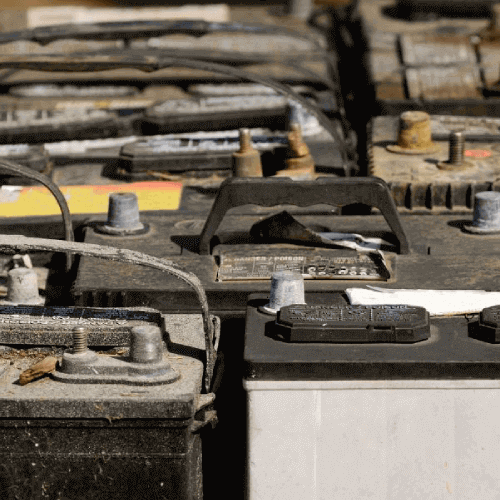
Once I swapped the battery, the old one just ended up staying there in the garage. Heavy, a bit corroded, and, honestly not something I felt comfortable leaving behind and forgetting about.
I told myself I’d take care of it later, but somehow every time I walked past it felt wrong, like it shouldn’t be just sitting around, eating space, and quietly waiting.
So I started looking into proper car battery disposal, mainly to understand what the correct way actually was.
Turns out, it’s not something you treat like regular waste — there’s a proper process behind it because of what’s inside the battery.
Process at the Recycling Yard
The yard was busier than I expected. Cars being weighed, scrap being dropped off, and people moving in and out with different materials.
When I walked in with the battery, I wasn’t completely sure where to go. But the staff quickly directed me to a separate section for automotive waste.
What I noticed during the car battery disposal process:
- Batteries are immediately separated from general scrap
- They are checked for leaks or damage before handling
- Stored in designated non-ferrous metal recycling areas
- Sent for structured processing and material recovery
- Components later broken down for reuse in manufacturing
It felt surprisingly organised. Nothing was just dumped or ignored — everything had a place and purpose.
A Small Interaction That Stood Out
While waiting near the office, I asked one of the workers what actually happens to old batteries after they’re collected.
He explained it in a very simple way — most of the lead and internal components are recovered and reused through controlled recycling systems.
He also mentioned that proper car battery disposal plays a big role in reducing environmental impact, especially when you consider how many batteries get replaced every year.
At one point, he casually referenced Melbourne Copper while talking about how different recovered materials eventually move through regional recycling systems.
It wasn’t a long conversation, but it made the whole process feel more connected than I expected.
Actual Benefits I Noticed
After seeing everything firsthand, a few clear benefits of proper car battery disposal stood out:
- Prevents harmful waste from entering the environment
- Supports structured metal recovery systems
- Helps reuse lead and other internal materials
- Reduces landfill pressure from automotive waste
- Fits into broader copper recycling in Melbourne and non-ferrous recycling systems
What I thought was just an old battery turned out to be part of a much larger recovery chain.
Why It Felt More Important Than Expected
Before this, I didn’t think much about where car batteries go after replacement. I assumed they were just “thrown away” somewhere.
But seeing the actual process changed that completely.
There’s clearly a system in place, and car battery disposal is handled with more care than I ever realised.
Even something that small links up with larger recycling operations, that actually pull back useful materials rather than letting them go to waste, it’s kind of wild when you think about it.
Final Thoughts
What began as a simple car breakdown, turned into this unexpectedly informative moment, honestly I didn’t plan on learning anything.
I only had to handle car battery disposal because there was an old battery just sitting around, but then I found out how organized and deliberate the recycling process really is.
Now I don’t look at car batteries as waste anymore. They feel more like materials that still have value, just waiting to be recovered and reused properly.