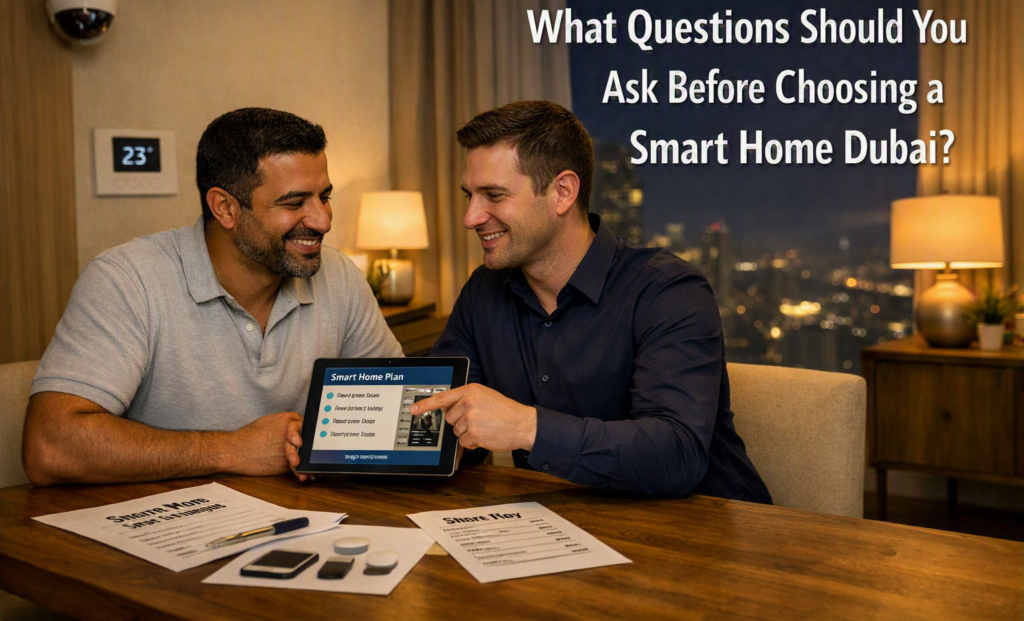
Choosing a Smart home Dubai setup can be easier when you know what to ask before making any decisions. Smart home systems can connect lighting, security, climate control, entertainment, and other devices. However, every home has different needs. Asking the right questions can help you understand which features are useful, how the system will work, and what may be needed for installation and future changes.
What Do You Want to Control?
Start by thinking about the tasks you want the system to handle. Some people mainly want automated lighting, while others may want control over air conditioning, curtains, door locks, cameras, or entertainment devices.
Making a simple list of your daily needs can help avoid adding devices that you may rarely use. It is also useful to consider which rooms need smart features. A living room may need lighting and entertainment control, while bedrooms may benefit more from climate and curtain control.
Will the Devices Work Together?
Compatibility is an important question when selecting smart home equipment. Different brands and devices may use different communication methods and platforms. A device that works well on its own may not always work smoothly with another brand.
Ask whether the selected devices can communicate with each other and whether they can be managed through one application or control system. Checking compatibility before installation can reduce problems when adding new devices later.
Should the System Be Wired or Wireless?
Smart home systems can use wired connections, wireless networks, or a combination of both. The right option depends on the building, existing wiring, number of devices, and type of control required.
Wireless devices can be convenient when major electrical changes are not practical. Wired systems may be considered during new construction or renovation projects where cables can be planned in advance.
It is useful to ask about the advantages and limitations of both options before choosing one.
What Happens If the Internet Stops Working?
Not every smart home function needs a constant internet connection. Some systems can continue controlling certain devices through a local network or central controller even when the internet is unavailable.
Ask which functions will continue working during an internet outage. This is especially important for basic controls such as lighting, temperature settings, locks, and other frequently used devices.
How Secure Is the System?
Connected devices can collect and transfer information, so security should be considered before installation. Ask about user access, passwords, software updates, device permissions, and network security.
For cameras and smart locks, security becomes even more important because these devices can be connected to sensitive areas of the home. Understanding how accounts and devices are protected can help users manage their systems more carefully.
Can You Add More Devices Later?
Your requirements may change over time. You may initially install smart lighting and later decide to add security cameras, motorized curtains, sensors, or climate controls.
Ask whether the system can support additional devices in the future. It is also useful to know whether new products from other manufacturers can be added. A flexible system can make future changes easier without replacing the entire setup.
How Easy Is the System to Use?
A smart home system should be practical for everyone who uses it. Before selecting equipment, ask how the system is controlled. It may use a mobile application, wall panels, remote controls, voice commands, or automatic schedules.
Consider whether family members can understand the controls without needing technical knowledge. Simple controls can make everyday use more comfortable and reduce confusion.
What Maintenance Is Required?
Smart devices may require software updates, battery replacements, network checks, or occasional troubleshooting. Ask what type of maintenance each device needs and how often it should be checked.
It is also helpful to understand what happens if a device stops working. Knowing whether individual devices can be replaced without affecting the rest of the system can make future maintenance easier.
What Should Be Checked Before Installation?
Before installation, check the home’s electrical system, internet network, Wi-Fi coverage, available space, and existing devices. For larger systems, the placement of control panels, sensors, cameras, and other equipment should also be considered.
Asking these questions before choosing a system can make the planning process clearer and help avoid compatibility or usability issues. Whether you are upgrading one room or planning connected features throughout a property, understanding your needs first makes it easier to choose suitable Smart home Dubai options.