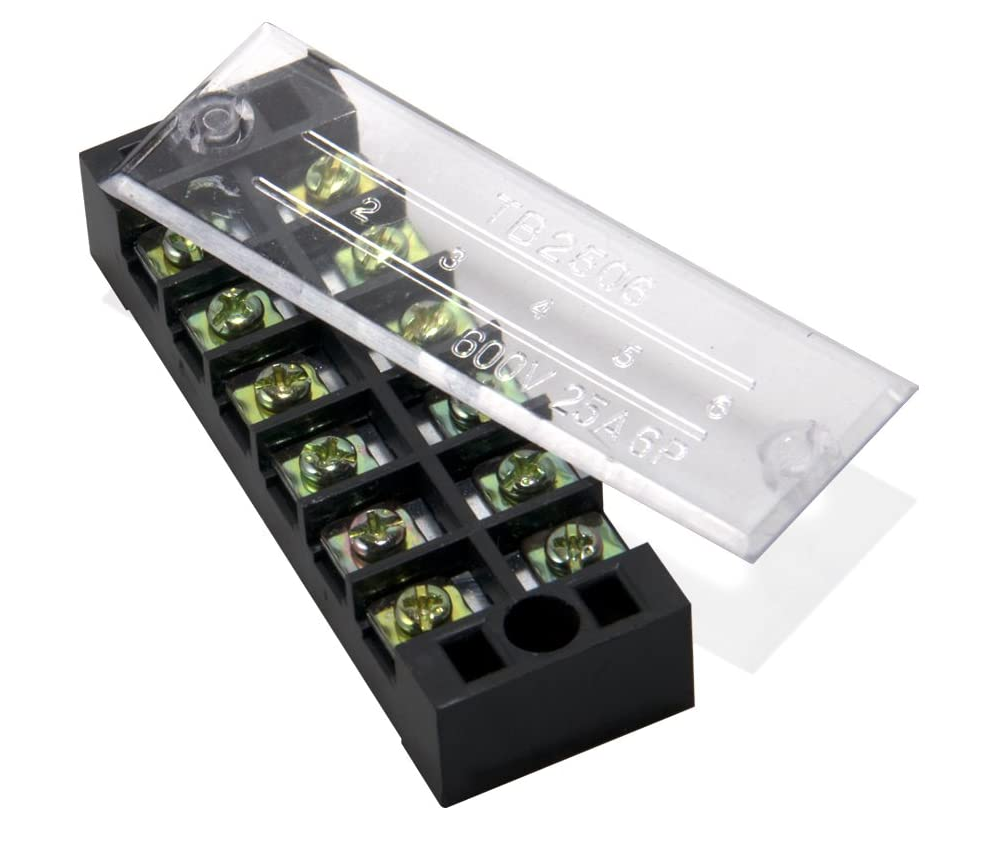
Terminal Strips
Introduction
Terminal Strips are an important part of electrical installations where safe, tidy, and dependable wire connections are required. They help bring structure to wiring layouts by creating dedicated connection points for conductors in panels, cabinets, and equipment. In both simple and advanced systems, they make electrical work easier to understand and easier to maintain.
When wiring is left unorganised, even a well designed system can become difficult to inspect or repair. Terminal Strips help avoid that problem by keeping connections arranged in a clear sequence. This supports better working practice, cleaner installations, and stronger long term reliability across many types of electrical applications.
What Are Terminal Strips?
Terminal Strips are insulated assemblies that contain a series of connection terminals used to join electrical wires. Each terminal acts as a controlled point where one conductor can connect to another conductor or to a specific part of the circuit. This helps separate and manage wiring rather than allowing wires to be joined in a loose or confusing way.
They are commonly fitted in control panels, distribution boards, machine enclosures, and automation systems. Because the terminals are grouped together in one organised unit, technicians can identify and handle connections more efficiently during installation, testing, and service work.
Why Are Terminal Strips Important in Electrical Installations?
A modern electrical system often includes many conductors for power, control, communication, and grounding. Without a structured connection method, these wires can quickly become difficult to trace. Terminal Strips help solve this by turning a complex wiring layout into a more manageable arrangement.
They are important because they help provide:
- Clear connection points for each conductor
- Better organisation inside enclosures
- Easier circuit identification
- Improved safety during maintenance
- Faster fault finding
- Simpler future expansion
These practical advantages make Terminal Strips valuable in settings where accuracy, uptime, and safe operation are essential.
How Do Terminal Strips Support Efficient Wiring?
Terminal Strips improve efficiency by giving each wire a defined and stable position. Instead of handling a bundle of conductors with unclear routing, installers can work through a logical sequence of terminals. This makes the layout easier to follow and reduces the chance of errors during assembly.
The use of Terminal Strips also helps with documentation. When terminals are labelled correctly, the wiring diagram and the physical panel layout match more closely. This is useful during commissioning and even more helpful later when a technician needs to trace a circuit quickly.
In practical terms, Terminal Strips support efficient wiring by allowing:
- Cleaner wire routing
- More consistent panel layout
- Clear separation of circuit functions
- Better identification of input and output lines
- Easier access to individual connections
This level of organisation improves both installation quality and long term usability.
Common Types of Terminal Strips
Screw Clamp Terminal Strips
These are one of the most familiar types. A screw is tightened to hold the conductor securely in place. They are widely used because they are dependable and suitable for many general applications.
Spring Clamp Terminal Strips
These use spring tension rather than a screw to secure the wire. They are often selected where quick installation is useful or where vibration resistance is an important consideration.
Barrier Terminal Strips
Barrier designs include insulated partitions between adjacent terminals. These help prevent accidental contact and provide better separation between nearby circuits.
Feed Through Terminal Strips
These are used when one wire needs to continue through the terminal to another side. They are common in control and signal wiring arrangements.
Grounding Terminal Strips
These are designed specifically for earthing connections. They play a critical role in electrical safety and protective grounding systems.
Where Are Terminal Strips Commonly Used?
Terminal Strips are used in many sectors because they suit a wide range of electrical environments. Their ability to create order and improve access makes them useful in installations of many sizes.
Common applications include:
- Industrial control panels
- Manufacturing equipment
- HVAC systems
- Building services installations
- Lighting control units
- Security and alarm systems
- Renewable energy equipment
- Transport infrastructure
- Telecommunications cabinets
- Power distribution assemblies
Their widespread use reflects the universal need for structured and reliable electrical terminations.
What Should Be Considered When Selecting Terminal Strips?
Selecting the right Terminal Strips is not simply a matter of size or appearance. The choice should match the electrical and environmental requirements of the application. A strip that works well in one installation may not be suitable in another if the current, conductor type, or surrounding conditions are different.
Important points to consider include:
- Rated current
- Rated voltage
- Wire size compatibility
- Type of conductor
- Connection method
- Mounting style
- Insulation properties
- Operating temperature
- Resistance to vibration
- Need for marking and accessories
A careful selection process helps ensure reliable operation and supports safe use over time.
How Do Terminal Strips Help with Maintenance?
One of the biggest advantages of Terminal Strips is the way they simplify maintenance. When every conductor has a clear termination point, it becomes much easier to inspect, test, disconnect, or replace part of the system. This can reduce downtime and help service teams complete work more confidently.
In many electrical systems, the real value of good organisation appears during troubleshooting. A fault that might take a long time to trace in a disorganised panel can often be identified much more quickly when the wiring is arranged through labelled terminals.
Maintenance benefits include:
- Easier circuit tracing
- Faster fault diagnosis
- Better access to test points
- Safer isolation of individual conductors
- Reduced chance of reconnecting wires incorrectly
- Simpler upgrades and modifications
These benefits are especially important in industrial settings where time and reliability directly affect productivity.
Best Practices for Installing Terminal Strips
Plan the Layout Carefully
Before installation begins, it is helpful to decide how the terminals will be grouped. Separating power, control, and ground connections creates a cleaner and more logical arrangement.
Prepare Conductors Properly
Wires should be stripped to the correct length. Too much exposed conductor can create safety concerns, while too little can weaken the connection.
Use the Right Terminal for the Application
The terminal type should match the conductor size and the demands of the circuit. This helps prevent poor contact and improves long term performance.
Label Every Connection
Clear marking is essential for future maintenance. Well labelled terminals make testing, repair, and system changes much easier.
Inspect Connections Regularly
Periodic checks can identify loose conductors, heat damage, corrosion, or wear before these issues lead to failure.
Why Do Terminal Strips Contribute to Safer Systems?
Safety is a major concern in any electrical installation, and Terminal Strips support safer practice in several ways. They reduce clutter, create separation between circuits, and provide secure connection points that are easier to inspect. This lowers the risk of accidental contact, loose wiring, and maintenance mistakes.
A well organised terminal arrangement also supports safer servicing. Technicians can work on one section of the system with better visibility and less risk of disturbing neighbouring conductors. In this way, Terminal Strips contribute not only to electrical order but also to overall workplace safety.
Conclusion
Terminal Strips are a practical and dependable solution for organising electrical connections in a wide variety of systems. They help improve wiring clarity, simplify maintenance, and support safer installation practice. Their role is straightforward, yet their impact on performance and serviceability is significant.
Whether used in industrial panels, commercial installations, or control equipment, Terminal Strips provide the structure needed for clean and reliable electrical work. When chosen carefully and installed correctly, they help create systems that are easier to manage, easier to maintain, and better prepared for long term operation.