Introduction
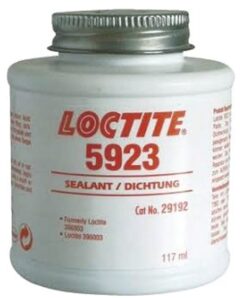
Loctite Sealant Liquid is widely used for sealing, securing, and protecting parts in demanding repair and assembly tasks. It helps create a strong barrier against leaks, vibration, moisture, oils, and dust, making it useful across industrial, electrical, automotive, and maintenance applications.
When systems rely on tight joints and stable connections, even a small gap can lead to performance issues. Therefore, using the right liquid sealant can improve reliability, reduce downtime, and support safer long-term operation.
What Is Loctite Sealant Liquid Used For?
Loctite Sealant Liquid is a sealing compound designed to fill surface gaps and support secure connections between parts. It can help seal threaded fittings, flanges, housings, pipe joints, covers, and other close-fitting assemblies.
Because it flows into small spaces before curing, it can create a more complete seal than some traditional sealing methods. This makes it useful where tapes, washers, or pre-cut gaskets may not provide enough coverage.
In many applications, it also helps resist loosening caused by vibration. As a result, it supports both sealing and joint stability in equipment that operates under pressure, in motion, or subject to temperature changes.
Why Liquid Sealants Matter in Industrial Work
Industrial systems often face heavy use, repeated movement, and exposure to fluids or contaminants. Over time, these conditions can weaken fittings and create leaks.
Loctite Sealant Liquid helps reduce these risks by forming a protective layer between joined surfaces. This layer can reduce leakage, improve moisture resistance, and protect parts from dust and oil.
Moreover, liquid sealants support cleaner assembly work. Technicians can apply them directly to the target area, control coverage, and avoid bulky materials that may interfere with nearby components.
Key Benefits of Loctite Sealant Liquid
The main value of Loctite Sealant Liquid lies in its ability to deliver reliable sealing performance across diverse environments. It improves repair quality and extends the service life of many parts.
Common benefits include:
• Helps seal small gaps and uneven surfaces
• Supports leak prevention in fittings and joints
• Helps protect against vibration-related loosening
• Reduces the need for frequent rework
• Improves resistance to moisture, oils, and dust
• Supports neat application in compact spaces
• Helps maintain safer and cleaner equipment operation
These benefits make it useful for both planned maintenance and urgent repair tasks.
Where Loctite Sealant Liquid Performs Best
Loctite Sealant Liquid can be used in many areas, depending on the selected formula and application requirements. It is important to match the product type to the surface, pressure, temperature, and chemical exposure.
Mechanical Equipment and Tools
Mechanical assemblies often include moving parts, threaded fasteners, pumps, pipes, valves, and housings. These areas can experience vibration and pressure changes during operation.
A suitable sealant helps improve joint security and reduces the chance of leaks. It can also support tools, grips, and fitted components that need stable performance in workshop or production environments.
Electrical Systems and Control Panels
Electrical equipment may include cables, connectors, contactors, switches, fuses, sensors, and controllers. These components need protection from dust, moisture, and vibration to keep systems working safely.
Loctite Sealant Liquid can support sealing around housings and connection areas when the correct formula is selected. However, users should always check compatibility before applying any sealant near live circuits or sensitive electronics.
Electronics and Compact Devices
Modern electronics often use LEDs, capacitors, microcontrollers, microprocessors, and compact circuit assemblies. These parts can be sensitive to moisture, contamination, and mechanical stress.
A compatible sealant may help protect enclosures, edges, or fittings around electronic assemblies. In addition, it can support devices such as laptops and control units where compact sealing is required.
Thermal and Fluid Related Applications
Thermal systems can include cables, thermal pads, housings, and power-related components. While sealant liquid is not a replacement for proper heat transfer materials, it can help protect surrounding joints from contamination.
In fluid systems, the sealant may help control leaks from threaded connections, covers, and pipe fittings. This is especially useful where oils, air, or other fluids must remain contained for safe operation.
How to Choose the Right Loctite Sealant Liquid
Choosing the right sealant is essential because each application has different demands. A product that works well on a metal pipe may not be suitable for plastic parts or sensitive electronics.
Before selection, consider:
• The surface material being sealed
• The working temperature range
• Exposure to oils, water, air, or chemicals
• Pressure level inside the system
• Cure time and handling requirements
• Flexibility needed after curing
• Suitability near sensors, cables, or electronic parts
By reviewing these points first, users can avoid poor sealing results and protect the parts being repaired.
How to Apply Liquid Sealant Correctly
Correct preparation makes a major difference in sealing performance. Before applying Loctite Sealant Liquid, clean the surface and remove old sealant, loose dust, oils, moisture, and other contamination.
Next, apply a controlled amount to the required area. Too much sealant can spread beyond the joint and may affect nearby connectors, switches, sensors, or microcontrollers.
After application, assemble the parts as instructed and allow the sealant to cure properly. Testing the system too early can weaken the result, so curing time should never be ignored.
Safety Tips for Better Sealing Results
Safety should always guide repair and maintenance work. Users should read the product instructions, use suitable protective equipment, and work in a ventilated area when needed.
When working with electrical systems, isolate power before applying sealant near fuses, switches, controllers, LEDs, or contactors. This helps protect both the user and the equipment.
It is also important to store sealant correctly. Proper storage helps maintain product quality and ensures the liquid remains ready for future maintenance tasks.
Why Professionals Trust Liquid Sealants
Professionals value liquid sealants for their precision, flexibility, and dependable protection. They can reach areas that solid gaskets or tapes may not fully cover.
Additionally, Loctite Sealant Liquid supports faster repairs by simplifying the sealing process. This is useful in busy maintenance environments where equipment uptime is important.
By helping reduce leaks, vibration issues, and contamination, it supports better long-term performance across many systems. Therefore, it remains a practical choice for engineers, technicians, installers, and repair teams.
Final Thoughts
Loctite Sealant Liquid is a reliable sealing solution for users who need strong protection, leak resistance, and clean application. It supports many tasks across mechanical equipment, electronics, cables, connectors, thermal systems, tools, and fluid assemblies.
When selected and applied correctly, it helps improve safety, reduce maintenance problems, and extend equipment life. For the best results, always match the sealant to the material, operating conditions, and repair requirements.