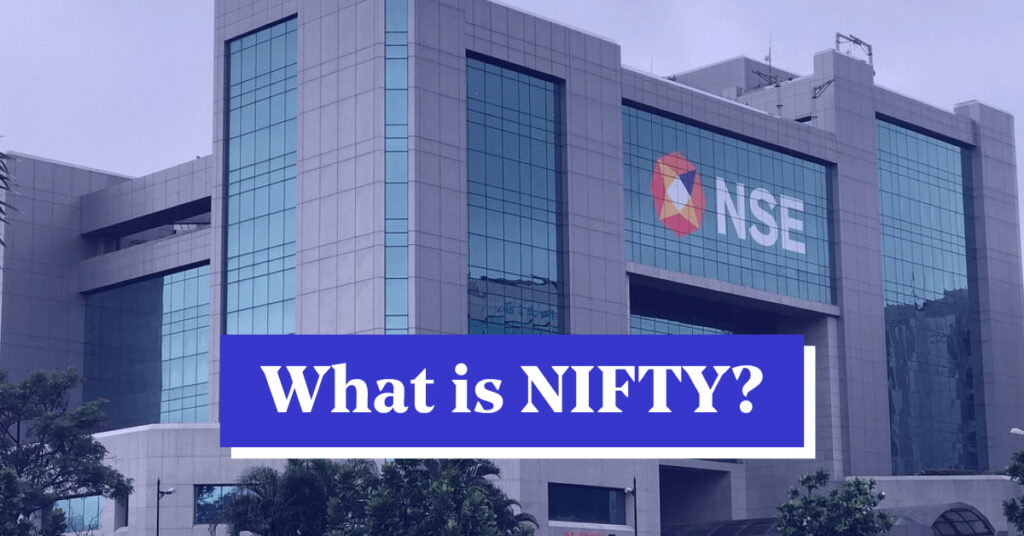
what is Nifty
When discussing the stock market in India, one cannot ignore the term “Nifty.” It is often cited in news reports, conversations about investing, and market updates. For anyone new to the investing world, understanding “What is Nifty?” is essential to grasp India’s financial ecosystem better. Additionally, terms like SGX Nifty often pop up in relation to global markets and the Singapore Exchange, adding another layer of complexity for novice investors. This article will break down what Nifty represents, how it tracks market performance, and its relevance in financial decision-making.
What is Nifty?
Nifty, also known as the Nifty 50, is a stock market index introduced by the National Stock Exchange (NSE) in India. For those wondering what is Nifty, it is comprised of 50 most liquid and fundamentally strong large-cap companies listed on the NSE, serving as a benchmark for gauging the overall sentiment and performance of the Indian stock market. These companies represent various sectors, including banking, IT, energy, FMCG, pharmaceuticals, and more, offering a broad-based view of the country’s economic landscape.
The term “Nifty” comes from the combination of two words: “National” and “Fifty.” As a dynamic index, Nifty ensures that only the top-performing companies are included in its portfolio, based on various criteria such as market capitalization, liquidity, and industry representation.
Nifty is computed using the free-float market capitalization-weighted method, which means that companies with higher market value influence the index more than smaller entities. As such, fluctuations in the stock price of large-cap companies can significantly affect the index value.
Why is Nifty Important?
Nifty acts as a barometer for market performance and investor sentiment in India. There are various reasons why Nifty holds importance:
1. Benchmark Index
As a benchmark index, Nifty is widely used by investors, fund managers, and researchers to compare the performance of portfolios or mutual funds. For instance, equity funds often aim to outperform the Nifty index, which is seen as a benchmark for measuring success.
2. Indicator of Market Performance
Nifty provides a snapshot of the overall health and movement in the Indian stock market. A rise in Nifty indicates bullish sentiment, while a drop signals bearish market trends.
3. Basis for Derivative Instruments
The Nifty index underpins various derivative products, such as options and futures contracts, allowing investors to hedge their risks or undertake speculative trades based on market direction.
4. Global Recognition
Nifty is not only relevant in India but also recognized globally. International investors often track Nifty while making investment decisions related to India.
Key Sectors Under Nifty
The Nifty 50 index encompasses companies from about 13 major sectors, ensuring diversity in representation. Some of the prominent sectors include:
- Information Technology (IT): Companies like Infosys and TCS are leaders in the tech space.
- Banking and Financial Services: HDFC Bank, ICICI Bank, and State Bank of India (SBI) dominate the financial sector.
- Pharmaceuticals and Healthcare: Sun Pharma is a key player here.
- Consumer Goods: Nestle India and Hindustan Unilever are noteworthy inclusions.
- Energy and Utilities: Reliance Industries and NTPC fall under this category.
These sectors collectively make Nifty a reliable indicator of India’s economic trajectory, and changes in sector performance often ripple through the entire index.
How Does Nifty Track Market Performance?
Understanding how Nifty tracks market trends involves delving into its structure, calculation, and the role of included stocks. Here are some technical aspects to consider:
1. Free-Float Market Capitalization
Nifty is calculated based on the free-float market capitalization of its constituent companies. Free-float refers to the shares available for trading by the general public and excludes shares held by promoters, government, or other restricted entities. This ensures an accurate representation of the market by reflecting only actively traded stocks.
2. Weighted Average
Each stock in the Nifty Index contributes to its movement based on its weight. Larger companies with higher market capitalization contribute more to Nifty’s growth or decline compared to smaller firms.
3. Dynamic Composition
Nifty’s portfolio is reviewed semi-annually. If a company no longer meets inclusion criteria due to reduced liquidity, declining market capitalization, or other factors, it is replaced by another company that fulfills the parameters. Regular updates keep Nifty relevant and reflective of market realities.
4. Real-Time Tracking
Nifty is calculated in real-time during trading hours, offering minute-by-minute updates on market performance. Movements in constituent stocks directly influence the index value, making Nifty an essential tool for day traders and institutional investors alike.
What is SGX Nifty?
Investors are often puzzled by the term “SGX Nifty.” To explain simply, SGX Nifty refers to the derivatives of the Nifty index listed on the Singapore Exchange (SGX). Foreign investors who may not have access to India’s domestic stock exchanges use SGX Nifty for trading Indian market instruments.
Key Features of SGX Nifty
- Overnight Trading: Unlike Indian markets, which are open for limited hours during the day, SGX Nifty allows trading during off-hours, including overnight sessions. This makes SGX Nifty an excellent indicator of how Indian markets might open the following day.
- Global Impact: SGX Nifty is influenced by global factors and events, such as overseas economic data, geopolitical developments, and foreign investor sentiment. It is particularly relevant for tracking India’s trade relations or economic ties with other nations.
- Hedging Opportunities: International traders use SGX Nifty to hedge their portfolios against Indian equity market risks.
How Nifty and SGX Nifty Interact
While Nifty is a barometer of India’s stock market, SGX Nifty acts as a preview or predictor of its direction. The overnight movements of SGX Nifty often signal the sentiment of international investors toward India’s economy and markets. When the Indian stock market opens in the morning, traders frequently take cues from SGX Nifty’s closing price from the previous night.
For instance, if SGX Nifty shows a significant gain, it’s likely that Nifty will open higher, as the sentiments carried over from global trade usually remain consistent for a while. Conversely, a sharp drop in SGX Nifty might signal a bearish market at the NSE.
Nifty vs Sensex: A Comparison
Many first-time investors also wonder how Nifty compares to another famous index in India, the Sensex. While both indexes are measures of stock market performance, there are some distinct differences between the two:
- Number of Companies: Nifty tracks 50 companies, while Sensex monitors 30 companies.
- Exchange: Nifty belongs to the National Stock Exchange (NSE), while Sensex is linked to the Bombay Stock Exchange (BSE).
- Calculation Method: Both use the free-float market capitalization method but differ in their constituent stocks.
- Sector Representation: Nifty covers more sectors than Sensex, making it slightly more diverse.
Investors often track both indices, but Nifty is widely considered to provide a broader view of the market compared to Sensex.
Conclusion
In summary, Nifty 50 is more than just a stock market index; it is a reliable tool for understanding India’s economic health and market dynamics. By tracking the top 50 companies across various sectors, Nifty offers insights into investor sentiment and future market trends. Whether you are a day trader, a long-term investor, or just someone looking to stay updated on market performance, platforms like Bajaj Finserv can further help you stay informed and make better financial decisions.
Additionally, SGX Nifty bridges the gap between Indian and global stock markets, serving as a key indicator for how Indian markets may perform based on external factors. Together, Nifty and SGX Nifty are indispensable tools in modern investing.
Understanding these terms equips investors with the knowledge needed to navigate the often complex world of stock markets, ensuring better decision-making and stronger financial outcomes.