Website Marketing Agency Experts Optimizing Website Performance
Launching your website is just the beginning of your efforts to reach your ideal customers. The more difficult part is to get the right individuals to stumble across your website when looking for your items, services or solutions. Search visibility is influenced by a bunch of interrelated aspects, such as website architecture, page quality, technical effectiveness and how a page responds to a searcher’s needs.
That’s where a website marketing agency can step in to create a cohesive digital approach. Rather than concentrating solely on rankings, the aim should be to earn targeted traffic, educate your audience and guide them smoothly along to the next stage.
Whether you’re running a service website or an e-commerce store, a handful of simple tweaks can help boost your search presence and allow for more sustainable growth.
Start With a Clear SEO Strategy
Before making changes to a website, businesses need to understand what their target audience searches for and which pages should address those needs.
Keywords research can indicate what words are relevant to search, but if you base your choice of the keyword on search volume alone you risk being disappointed. A wide search term could bring you visitors that are not ready to buy, but a tighter search will bring you fewer visitors but more ready to buy.
Align Content with Search Purpose
Search intent is the intention behind a search. A person doing a beginner’s guide search is typically looking for information, and someone doing a comparison search is probably considering suppliers.
Good content strategy ensures that you’ve got pages to serve each need. If you can produce well researched, thorough articles on common issues, service pages are perfect for explaining solutions, and comparisons can be helpful for potential buyers.
Each page should have a clear purpose rather than repeating the same keywords and information across multiple URLs.
Improve Technical SEO and Website Structure

Search engines need to discover, crawl, and understand a website’s content. Technical issues can make that process more difficult, even when the content itself is useful.
A website marketing agency should review important technical elements before recommending major changes.
Focus on the Essentials
Begin by ensuring crawlability and indexability for important pages. Analyze robots directives, your robots.txt file, XML sitemap, canonical tags, redirects and indexation rules. Make sure that search engines are aware of which URLs they should crawl and index.
Website architecture matters, too. Organize related pages into logical categories and use descriptive internal links to connect supporting articles with relevant service pages.
For example, a company offering ecommerce services might link educational content about store performance to its main service page. This gives visitors a natural next step and helps search engines understand the relationship between the pages.
Pay attention to mobile usability and loading speed. Core Web Vitals by Google measures loading, responsiveness, and visual stability. You’re improving UX when you make improvements, but serving all three to Core Web Vitals won’t necessarily affect your rankings.
Make Your Content Worthy of Being Located
Number of Articles is not the answer. You could have hundreds of pages on your site but if they are not linked to the subject or not of value then they will not add to your visibility.
The better approach is to answer genuine customer questions with useful, accurate, and clearly organized information.
Demonstrate Real Experience
Content becomes more useful when it includes practical examples, original observations, implementation details, and explanations of trade-offs. Instead of simply stating that a strategy works, explain when it makes sense, what resources it requires, and which limitations businesses should consider.
Businesses should also review older content regularly. Outdated statistics, broken links, inaccurate recommendations, and redundant pages can reduce the usefulness of a content library.
Updates should improve the substance of a page rather than simply changing its publication date.
What a Shopify Design Agency Can Contribute
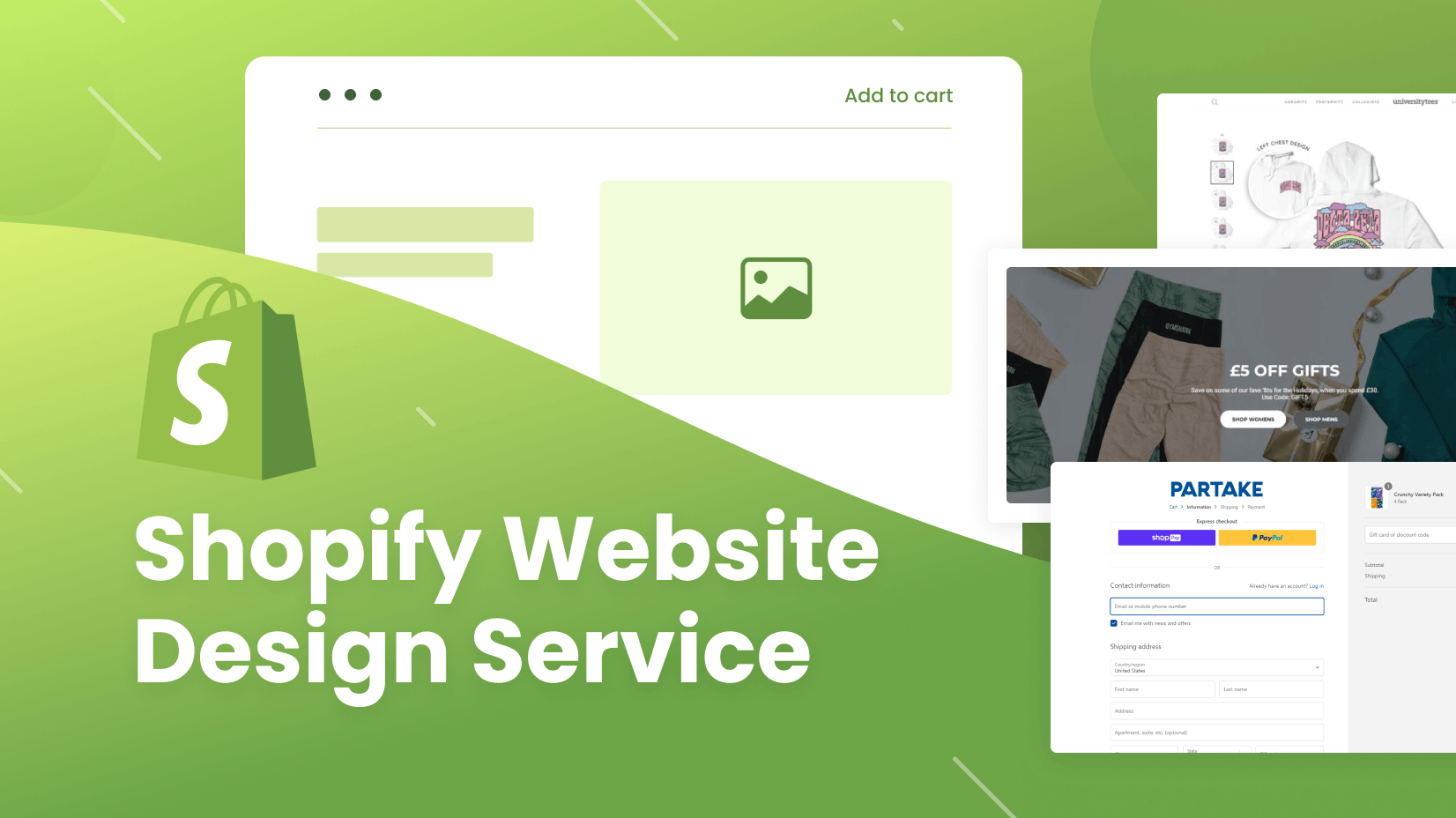
You don’t just find search visibility on service websites. Ecommerce sites also require clarity on product details, sensible navigation, helpful category pages and a smooth mobile shopping experience.
A Shopify design agency can bridge the gap between your storefront design and the search engine or shoppers. Product pages need descriptive titles, useful copy, the right images with contextual alternate text, and detailed, easy to access information on pricing, availability, shipping, and returns.
Simplify Product Discovery
Category pages should allow visitors to limit options without adding complexity to site navigation. With internal linking, you can direct buyers from general product categories to pertinent collection and product pages.
Ecommerce teams should also monitor duplicate URLs, faceted navigation, product variants, and discontinued items. Poor handling of these areas can create crawling and indexation problems.
Design decisions matter because a store can attract organic traffic but still struggle to generate sales if visitors cannot find what they need. Clear calls to action, transparent product information, and a straightforward checkout experience can help reduce friction.
However, design changes should be tested against actual user behavior rather than assumed to improve conversions.
Measure the Results That Matter
Search performance should be evaluated using several sources of information. Google Search Console can help identify queries, impressions, clicks, and indexation issues. Analytics platforms can provide additional insight into engagement, leads, and ecommerce transactions.
Connect Traffic With Business Outcomes
These ranking gains are meaningful only if they align with business goals. Measure qualified leads, sales, conversions, landing page performance, and organic traffic.
When you don’t see results, consider what could be happening before making big platform or content changes. It could be seasonal, technical, seeking information differently, having more competitive competitors, or not satisfying users.
SEO results take time to appear and can differ based on the sector and the age of the website. Continuous measurement allows teams to help them take the right actions instead of obsessing over the immediate results.
FAQs About Improving Search Visibility
How long will SEO take before I see results?
No set time. It varies by competitive site, quality of website, quantity and quality of the content, time to deliver it, amount of work undertaken. It can take a number of months.
Is website design important for SEO?
Yes, it does, if the design impacts usability, mobile experience, navigation, content access, or performance. However, there is no such thing as a “pretty” website that gets good rankings.
Should businesses focus on SEO or paid advertising?
It depends on your goals and budget. Paid advertising can deliver instant visibility, and SEO can take longer but can then grow a potential source of free organic traffic. Many companies use a combination.
Conclusion

Having a better technical health, a more valuable content, a clearer structure of your website and a positive user experience lead to a more stronger search visibility. Companies which measure and constantly improve their websites will get more relevant traffic and will convert it into results.
A professional website marketing agency will be able to carry out some of these activities for you, and a Shopify design agency can take the same concepts to the discovery and shopping journey for ecommerce. The objective should be to create a website first for actual users, and then to benefit search performance from best practices and consistency.