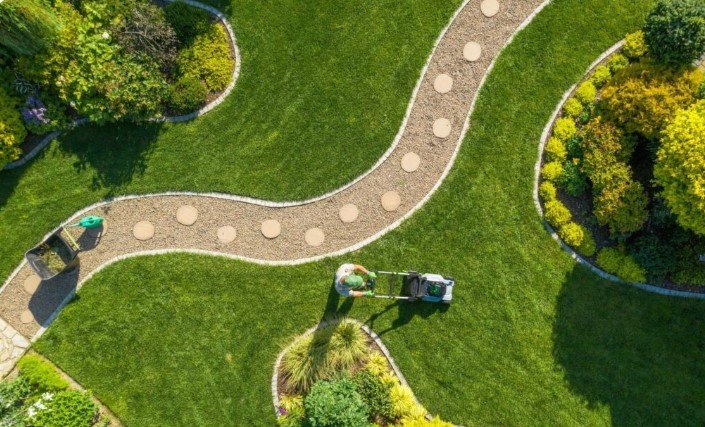
An outdoor property can offer much more than an attractive view from the window. With the right improvements, an empty corner can become a garden retreat, an awkward lawn can gain a clearer layout, and an overlooked entrance can become a welcoming part of the home. Transformed Landscaping Co. helps homeowners explore ways to turn these possibilities into practical outdoor environments. Professional Landscape Installation in Austin involves coordinating plants, soil preparation, pathways, drainage, and outdoor features so the finished space works as a complete design. Rather than adding elements randomly, a well-planned project considers how each improvement contributes to the property’s appearance and everyday use.
The most successful installations begin with a clear understanding of what homeowners want to achieve. Some may want to replace an outdated yard, while others need better access between outdoor areas or a more organized place for gardening and relaxation. These goals influence the materials, planting arrangements, and construction methods selected for the project. A detailed plan also helps establish a sensible installation sequence, allowing important groundwork to be completed before decorative features are added. This approach creates a stronger foundation for an outdoor space that looks coordinated and serves a genuine purpose.
Establishing a Strong Foundation for Landscape Construction
Before new plants or hardscape features are installed, the condition of the property needs careful evaluation. Soil compaction, uneven surfaces, existing vegetation, and drainage patterns can all influence the quality of the finished landscape. For example, soil that has become heavily compacted may need preparation before planting, while areas that collect rainwater may require grading adjustments or other drainage measures. Identifying these issues early helps homeowners address practical concerns before they become more difficult to resolve.
Preparation also involves deciding which existing features should remain. Mature trees, established shrubs, and useful pathways may contribute valuable shade, structure, or character. Preserving suitable elements can reduce unnecessary removal and help the new landscape connect naturally with the property. Clearing unwanted vegetation, marking installation areas, and planning access for materials are additional steps that can support an organized project. Thorough preparation gives the installation process a clearer direction and helps ensure that visible improvements are supported by sound groundwork.
Creating a Landscape Layout With Better Flow
A good landscape layout guides people naturally from one part of the property to another. Front entrances, side passages, garden areas, patios, and back doors should connect in ways that make daily movement comfortable. When these routes are poorly arranged, homeowners may find themselves walking across planting beds or navigating around obstacles. Establishing clear pathways and defining different outdoor zones can improve the way the entire property functions without requiring unnecessary decorative features.
Layout planning should also account for the space required by furniture, plants, and outdoor activities. A patio needs enough room for its intended use, while garden borders should leave convenient access for watering and maintenance. Trees and shrubs should be positioned with their mature dimensions in mind so that they do not obstruct important routes later. A coordinated approach to Landscape Installation in Austin can help homeowners develop an outdoor layout that feels open, connected, and suited to their routines. These practical decisions can make the finished landscape easier to navigate and more enjoyable to use.
Installing Plants That Suit the Local Environment
Planting is one of the most visible stages of landscape installation, but long-term success depends on more than selecting attractive flowers or shrubs. Austin’s hot summers, variable rainfall, and different soil conditions make it important to choose vegetation that suits the specific site. Native and well-adapted plants can provide useful options for residential landscapes, particularly when their sunlight, water, and soil requirements match the planting location. Trees, shrubs, ornamental grasses, and flowering perennials can be combined to create depth and seasonal interest.
Correct installation practices are equally important. Plants need appropriate planting depth, adequate spacing, and suitable soil preparation to establish healthy roots. Their expected mature size should be considered so that branches do not crowd walkways or interfere with nearby structures. Newly installed vegetation also needs appropriate watering while it becomes established. Grouping plants according to similar growing requirements can simplify future care and help maintain a balanced appearance. Thoughtful plant selection and placement allow the garden to develop naturally rather than becoming overcrowded or difficult to manage.
Building Durable Patios and Garden Pathways
Hardscape features provide structure to outdoor environments and create surfaces for movement, relaxation, and entertaining. Patios can establish comfortable gathering areas, while pathways connect entrances, planting beds, and other useful parts of the yard. Material options may include concrete pavers, natural stone, or other suitable outdoor surfaces. The best choice depends on the property’s style, intended use, maintenance expectations, and budget.
Construction quality determines how well these surfaces perform over time. Proper excavation, base preparation, leveling, and drainage help reduce the risk of uneven paving and water accumulation. Pathways should also be wide enough for comfortable movement, with surfaces appropriate for the conditions in which they will be used. Where paving meets planted areas, the transition should look intentional and allow room for maintenance. Combining durable hardscaping with carefully positioned vegetation helps create a landscape that balances practical surfaces with the natural character of a residential garden.
Coordinating Drainage and Irrigation Systems
Water management should be addressed before the final landscape takes shape. Changes in grading, new patios, and raised planting beds can influence how rainfall moves across the property. Without appropriate planning, water may collect in low spots or flow toward areas where it creates problems. Evaluating existing slopes and drainage conditions allows homeowners to determine whether grading changes or other suitable measures are necessary before installation proceeds.
Irrigation planning supports the health of newly installed plants and helps homeowners manage outdoor water use. Different parts of a landscape may require different watering methods depending on the vegetation and soil conditions. Drip irrigation can be suitable for many planting beds, while lawn areas may need a different approach. Systems should be designed to reduce overspray and unnecessary runoff, and watering schedules should reflect seasonal conditions. Incorporating these considerations into Landscape Installation in Austin helps homeowners establish a landscape that supports healthy growth while making efficient use of available water.
Integrating Outdoor Features With the Overall Design
Additional features can make a landscape more comfortable and useful when they are included as part of the overall plan. Pergolas may provide partial shade, seating areas can create places to relax, and privacy planting can help separate outdoor spaces from neighboring properties. Decorative borders and focal plants may also bring attention to important areas without overwhelming the design. The location of each feature should reflect the property’s dimensions, sunlight, access, and intended activities.
The installation sequence matters when several improvements are planned together. Drainage and ground preparation may need to be completed before paving, while irrigation lines should be considered before planting beds are finalized. Coordinating these tasks helps reduce the chance of disturbing finished areas to accommodate features that were overlooked. Transformed Landscaping Co. offers landscape design and installation services that can help homeowners consider how different elements fit into a unified outdoor environment. A coordinated plan supports a more consistent finish and makes it easier to understand the scope of the project.
Planning for Long-Term Care After Installation
A newly installed landscape requires appropriate care as plants establish and materials experience regular use. Homeowners should understand the watering needs of new vegetation, the maintenance requirements of selected surfaces, and the seasonal tasks necessary to keep the yard in good condition. Pruning, weed management, irrigation checks, and occasional mulch replacement may all form part of the maintenance routine. Choosing plants and materials that suit the owner’s available time can make these responsibilities easier to manage.
Long-term planning also means allowing the landscape to mature without losing its intended structure. Plants should have sufficient room to grow, trees need appropriate clearance from buildings and pathways, and drainage areas should remain functional. Regular inspections can help identify small problems before they require more extensive work. By considering future care before installation begins, homeowners can make choices that support the property’s appearance and usability well beyond the initial project. A landscape should continue to work for the household as vegetation grows and outdoor needs change.
Conclusion
A successful landscape installation combines careful site preparation, suitable planting, durable hardscape construction, and coordinated water management. Each stage contributes to how the finished property looks and functions, from the movement between outdoor areas to the health of garden plants and the performance of paved surfaces. Homeowners who establish clear priorities and consider long-term maintenance can make more informed decisions about improving their yards.
Transformed Landscaping Co. helps homeowners explore ways to create outdoor environments that suit their properties, lifestyles, and design preferences. Whether the project involves refreshing a front entrance, organizing a backyard, installing garden pathways, or coordinating several landscape features, thoughtful planning provides a practical starting point. Professional Landscape Installation in Austin can help turn an initial vision into a cohesive outdoor space that complements the home, responds to local conditions, and supports comfortable everyday living.