When Texture Became Everything
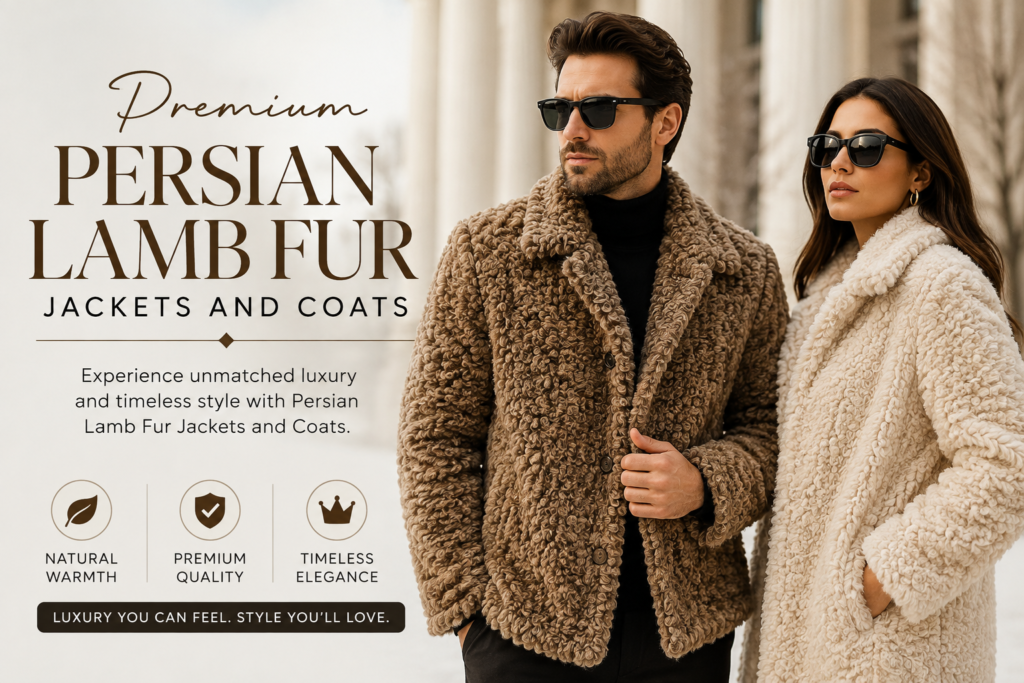
Touch genuine Persian lamb fur jacket and your hand stops. The surface isn’t smooth. It’s wavy. Textured. The pile has this natural ripple to it that catches light completely differently depending on the angle you’re looking from. It feels closer to touching actual landscape than touching fabric.
That’s why Persian lamb coats are back. Not as nostalgia. As actual design choice.
Somewhere around 2024, fashion got tired of smooth. Polished luxury started feeling fake. People wanted materials that looked real. Dimensional. Actually handmade. Persian lambswool coat gives you that immediately—the curly surface creates visual movement. It doesn’t sit flat. It breathes. It moves. It looks intentional rather than designed by algorithm.
This is Persian lamb’s moment right now.
How Vintage Texture Went Mainstream
Nobody predicted Persian lamb would come back. Fashion doesn’t work that way. It just rediscovers things.
What happened: vintage collectors started noticing Persian lamb coats in thrift stores. Estate sales. Consignment shops. Pieces that were undervalued because they didn’t match current luxury narrative. Smooth mink was luxury. Sleek leather was luxury. A textured Persian lamb coat from 1975 with that distinctly rippled surface? That was just old.
Then TikTok happened. People showed how these vintage pieces read against contemporary clothing. 1975 Persian lamb jacket worn with current jeans and a minimalist t-shirt. The texture suddenly became interesting. The piece looked intentional rather than archived.
That shifted the entire conversation. People started hunting for lamb fur coats actively. Manufacturers began producing faux Persian lamb alternatives. Luxury houses looked at the material seriously again. What was dormant became viral through actual wearing and actual photographing—not through marketing.
The resurgence stuck because the material actually delivers what current fashion wants: complexity. Texture. Visual interest that doesn’t require explanation.
Why Persian Lamb Reads Completely Differently
Mink is smooth. It photographs as one unified surface. Persian lamb is fragmented visually—the curls create shadow. You see the pattern from every distance.
That matters. Men’s Persian lamb coats photograph different than men’s mink coats. The texture becomes part of the silhouette. You’re not looking at just “coat.” You’re looking at “textured surface shaped like outerwear.”
The weight is lighter than mink. That means the tailoring matters more. There’s less material heft doing the work. The cut becomes more visible. Well-made Persian lamb pieces actually feel more refined than heavy furs—less armor, more actual garment.
Colors read differently too. Not just black and grey. You get cognac. Deep chocolate that photographs almost auburn. Charcoal with purple undertones. The textured surface makes these colors more complex than they actually are. A simple brown lamb fur coat looks different depending on weather and time of day. The ripples change how light hits it.
The Styles People Actually Seek
There’s no single Persian lamb coat type anymore. The market fragmented.
You’ve got the vintage-inspired structured pieces that channel 1970s tailoring but in current proportions. Fitted shoulders. Nipped waist. Mid-thigh length. The Persian lamb fur jacket works as architectural element. It photographs beautifully. It demands to be noticed. This is what went viral on TikTok.
Then there’s contemporary oversized. Newer collections just commit to looseness. Exaggerated collar. Relaxed sleeves. Generous cut. The texture becomes even more pronounced when material has room to move. This actually works better for wearing regularly because it doesn’t demand perfect posture and strategic styling.
Men’s Persian lamb coats have experienced quiet resurgence through tailoring shops. Traditional construction. Structured shoulders. Clean lines. Minimal visual fuss. The texture does all the work aesthetically.
You also see minimalist versions. Shorter jackets. Simple collars. Straight cuts. These pieces rely entirely on material and texture. No frills. The wearer carries the piece aesthetically, not the other way around.
Styling Persian Lamb Actually Works
Here’s what surprised people: these things work in way more contexts than expected.
Black tailored trousers, white t-shirt, Persian lamb coat. The texture creates all the visual interest. You don’t need accessories or elaborate layering.
Jeans, oversized sweater, grey Persian lamb coat. The textured surface against knit creates contrast. It works.
The lighter weight means it drapes differently than heavier furs. A Persian lamb jacket can be worn loose without looking accidental. The texture prevents that collapse into costume that oversized heavy fur sometimes creates.
Men increasingly wear these with suits. The textured surface against wool suiting creates interesting dialogue. Reads less formal than smooth material while still communicating luxury.
The key: match the cut to your intent. A structured vintage piece wants tailored dressing. An oversized contemporary piece wants deliberate casualness. Neither requires performance. They just need consistency.
Tailored Versus Oversized: The Real Difference
This choice matters more with Persian lamb because the texture is so visually prominent.
Tailored Persian lamb creates sculptural shape. The texture becomes three-dimensional against fitted form. You notice the pelt construction. The piece becomes almost architectural. This works brilliantly if you’re comfortable being noticed. It’s a statement piece.
Oversized Persian lamb emphasizes the texture through volume. Movement creates visual interest. The piece feels more wearable because it doesn’t demand perfect proportions. An oversized Persian lambswool coat offers more styling flexibility long-term.
Neither is objectively better. Tailored pieces photograph more dramatically. Oversized pieces work harder in actual life. Choose based on how you actually dress, not what looks good in photos.
The construction quality matters equally in both cases. Bad tailoring looks bad oversized or fitted. Good construction works in either silhouette.
Color and Fiber Complexity
Persian lamb rarely comes in pure black. That’s actually one of the material’s defining characteristics.
The natural colors are where it gets interesting. Deep chocolate browns that photograph almost auburn. Charcoal with purple undertones. Cognac tones. Even vintage pieces labeled “black” usually have undertones that read differently than pure black.
This complexity means Persian lamb works with unexpected color pairings. A deep brown lamb fur coat works with navy. With forest green. With burgundy. The textured surface creates visual noise that neutralizes rigid color theory.
Fiber composition matters significantly. Genuine Persian lambskin coat has specific density and weight that faux alternatives struggle to replicate. It drapes differently. Wears differently. Photographs differently. The texture is more pronounced. The longevity is established.
Faux Persian lamb coat options exist now and they’re getting better. But there’s no perfect substitute for authentic texture and weight. If you’re investing seriously, genuine material justifies the premium.
Why This Moment Suits Persian Lamb
Fashion got tired of smooth. Polished luxury started feeling fake. People wanted materials that looked real. Dimensional. Actually handmade rather than algorithm-designed.
Persian lamb gives you that immediately. The curly surface can’t be perfected. Each pelt is unique. The material resists looking mass-produced. In an era obsessed with authenticity and individuality, that resonates.
Vintage fashion also stopped being retro reference and became actual design sourcing. Contemporary designers study vintage pieces not for historical interest but for genuine innovation. Persian lamb experienced this shift directly. What was archived became inspiration. What was inspiration became desirable.
The resurgence works because the material’s properties align with what current design actually wants. It’s not trend-driven. It’s need-driven. The market demanded texture. Persian lamb is texture.
Jacket Craze and Thoughtful Curation
The difference between buying Persian lamb and buying Persian lamb thoughtfully sits in curation.
Jacket Craze has approached Persian lamb collections with clear editorial perspective. They’re not stocking every vintage piece that exists. They’re selecting specific men’s Persian lamb coats that work with contemporary proportions. They’re identifying Persian lamb fur jackets that balance heritage aesthetic with modern wearability. That matters.
This approach transforms shopping from browsing inventory to engaging with curated perspective. You’re working from edited selections reflecting actual aesthetic philosophy rather than just “what’s available.” That’s helpful when considering pieces you’ll own for decades.
The authentication matters too. Verifying genuine Persian lambskin coat versus faux alternatives. Understanding pelt quality. Knowing what to expect from aging and wear. That expertise distinguishes between impulse purchase and informed decision.
Actually Living With Your Persian Lamb
The romantic version of owning Persian lamb coats is wearing them dramatically to evening events. The realistic version is wearing them constantly.
A Persian lamb jacket works as everyday overcoat better than heavier materials. The weight is substantial but not burdensome. The texture creates visual interest even paired with basics. A brown lambskin coat over regular jeans and sweater reads intentional rather than formal.
Storage matters. Climate-controlled conditions, appropriate hangers, protection from direct sunlight. But Persian lamb is actually more forgiving than some materials—the texture hides some aging gracefully. A slightly worn Persian lamb fur jacket develops character rather than looking degraded.
The piece improves with wear if maintained. The fibers soften. The texture becomes more pronounced as the surface fibers develop patina. This is opposite of pieces that decline with time.
This longevity—both aesthetic and functional—is why Persian lamb represents something different from trend-driven fashion. You’re acquiring something that might legitimately become better as years pass.
FAQ: Persian Lamb Essentials
Q: What’s the actual difference between Persian lamb and other fur materials?
Persian lamb has distinctive curly, rippled texture that’s visually and tactilely unique. The surface is textured rather than smooth. Lighter weight than mink but with more constructed surface. The color palette leans toward complex rich tones rather than black/grey. The distinctive curls create visual dimension that other materials can’t replicate. Genuine Persian lambskin coat is recognizable immediately through texture and weight.
Q: Can faux Persian lamb replicate authentic material?
Faux versions have improved dramatically but authentic Persian lamb still distinguishes through density, weight, and texture complexity. Real fur has natural variations and depth that synthetic versions struggle to fully capture. The tactile experience differs—genuine lambskin feels distinctly different from synthetic alternatives. If you’re investing significantly, authentic material justifies the premium.
Q: How do I care for Persian lamb to maintain it long-term?
Professional storage in climate-controlled, dark conditions during off-season. Hang on appropriate wide hangers. Avoid direct heat and sunlight. Professional fur cleaning only—never regular dry cleaning. Gentle brushing with specialized fur brushes maintains the texture. Avoid perfumes, hairspray, and moisture exposure. Quality Persian lamb improves with age if properly maintained.