
For years, weight loss has been framed as a simple test of discipline: eat less, move more, and try harder. That message sounds motivating until real people follow strict plans, lose some weight, then watch progress slow or reverse. The problem is not weak character. The problem is biology. When the body senses weight loss, it can fight back through hunger, cravings, fatigue, and lower energy burn.
Here’s how medical weight loss addresses these physiological barriers for many patients instead of blaming people for them again.
The Shame Around Weight Loss Is Outdated
Many people carry guilt because they have been told their weight reflects effort alone. That belief ignores genetics, sleep, stress, insulin resistance, medications, thyroid function, appetite hormones, and years of dieting. Someone can make healthier choices and still struggle because the body is designed to protect stored energy.
Shame also makes people avoid care. They may delay medical support because they fear being judged. A better approach starts with respect. Weight management should be treated like any other health concern: with evaluation, evidence, and tools that fit the patient’s body.
What Metabolic Adaptation Really Means
Metabolic adaptation happens when the body becomes more efficient after weight loss. As calories drop, the body may burn fewer calories at rest and during activity. Hunger hormones can rise, fullness signals can weaken, and cravings may become harder to control. This response helped humans survive food scarcity, but it can make long-term weight loss difficult today.
That is why repeated dieting can feel so frustrating. A person may do the same workouts and eat the same meals, yet results stall. The body is not “broken.” It is adapting. Medical programs look at those changes and create a plan that supports metabolism instead of fighting it blindly.
Hormonal Resistance Changes the Equation
Hormones help regulate appetite, blood sugar, fat storage, digestion, and energy use. When insulin resistance, leptin resistance, or disrupted hunger signaling is present, willpower alone becomes a limited strategy. A person may feel hungry soon after eating or struggle with intense food noise even while trying hard.
GLP-1 therapy works in this physiological space. These treatments help improve appetite regulation, slow digestion, support blood sugar control, and reduce cravings for many patients. They are not a substitute for nutrition, movement, sleep, or behavior change. They are tools that can make those efforts more effective.
GLP-1 Therapy Is Not a Shortcut

Calling medical weight loss a shortcut misses the point. People using GLP-1 support still need provider oversight, dosing guidance, lifestyle planning, and follow-up. The medication does not do the work for them; it changes the internal conditions that often make consistent habits feel impossible.
Options such as oral tirzepatide drops and tirzepatide oral tablets are often discussed by patients who want alternatives to injections. The right format depends on medical history, provider evaluation, treatment goals, and availability. No one should start therapy without proper screening and clinical guidance.
Understanding Tirzepatide Options
Tirzepatide is designed to act on hormone pathways involved in appetite and metabolic control. Patients may ask about tirzepatide oral drops’ effectiveness because they want convenience, privacy, or less discomfort than injections. A responsible medical weight loss program should explain realistic expectations, possible side effects, contraindications, and follow-up needs.
Patients should also understand that results vary. Weight loss depends on biology, adherence, nutrition, movement, dosage, and health conditions. Safe care includes monitoring for nausea, appetite changes, hydration, muscle loss risk, and overall well-being. The goal is not rapid loss at any cost. The goal is healthier, more sustainable progress.
What Medical Weight Loss Actually Addresses
A well-run medical weight loss plan looks beyond the scale. It considers appetite regulation, blood sugar patterns, body composition, medication history, sleep, stress, and barriers to consistency. It may include lab review, provider consultation, nutrition guidance, exercise recommendations, and ongoing support.
This type of care helps people stop viewing weight loss as a moral test. Instead, it becomes a health strategy. Patients can learn why past attempts stalled, what their body needs, and how medical support may help them build steadier results.
A Better Way to Support Your Body
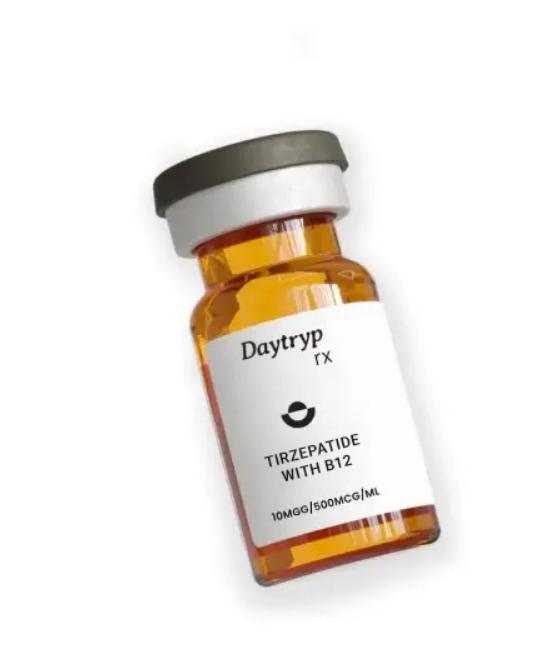
DaytrypRX helps patients approach weight management through convenient telehealth access, provider evaluation, and personalized treatment options, including oral tirzepatide drops and tirzepatide oral tablets when appropriate. The platform also supports broader wellness goals with services such as at-home ketamine therapy, hair force one medication, and information on testosterone cypionate injections for sale for eligible patients.
Get started today to explore medically guided weight loss solutions tailored to your health and wellness goals.
About the Author
The author is a wellness writer who creates educational content for health brands, telehealth providers, and consumer wellness audiences. Her work focuses on clear, practical explanations of modern treatments, metabolic health, patient support, and responsible access to evolving medical options for everyday readers.