
Bringing a newborn home is exciting, but it also comes with plenty of questions. Is the baby eating enough? Is their weight gain on track? Are they sleeping too much, or not enough? Is that rash normal? During the first few months, regular newborn health visits give parents an opportunity to discuss these concerns while allowing pediatricians to closely monitor a baby’s growth, development, and overall health.
For families visiting a pediatric clinic in San Ramon, knowing what to expect from these early appointments can make the experience less overwhelming. From feeding and weight checks to developmental milestones and immunizations, each visit helps build a clearer picture of how your baby is progressing.
Why Are Newborn Health Visits So Important?
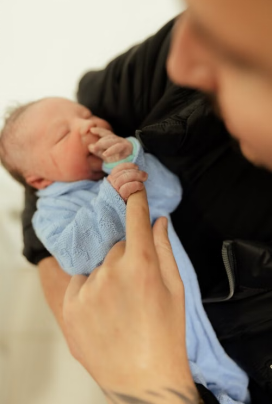
Babies change rapidly during their first weeks and months. Pediatric visits are typically scheduled more frequently during infancy because healthcare providers need to monitor these changes and identify potential concerns as early as possible.
At each appointment, your pediatrician may assess your baby’s weight, length, head circumference, feeding patterns, sleep habits, physical development, and behavior. Parents can also use these visits to ask questions about everything from diaper changes and crying to safe sleep and skin conditions.
These appointments are not simply about treating illness. Preventive care, developmental monitoring, parental education, and immunizations are important parts of routine pediatric care.
What Happens During the First Newborn Visit?

A baby’s first pediatric appointment usually occurs shortly after leaving the hospital. During this visit, the pediatrician will perform a physical examination and review information about the pregnancy, delivery, newborn screenings, and hospital stay.
One of the biggest priorities is checking weight. Most newborns lose some weight during the first few days after birth. Your pediatrician will monitor whether your baby is beginning to regain that weight appropriately.
The doctor may also examine the baby’s heart, lungs, eyes, ears, mouth, abdomen, hips, skin, reflexes, and umbilical cord area. Parents may be asked how often the baby feeds, how many wet or dirty diapers they produce, and how they behave between feedings.
Feeding Your Newborn: What Parents Should Know
Feeding is often one of the biggest concerns during the first few pediatric appointments. Whether your baby is breastfed, formula-fed, or receives a combination of both, the pediatrician will want to know how frequently the baby eats and whether feeding appears comfortable and effective.
Breastfeeding parents may have questions about milk supply, positioning, latching, pumping, or nipple discomfort. A lactation consultant can provide additional guidance when breastfeeding challenges arise. Getting support early may help parents understand feeding cues, improve positioning and address concerns about whether their newborn is receiving enough milk.
Parents using formula can also ask about preparation, feeding quantities, bottle selection, burping, and signs that a formula may not be well tolerated.
Monitoring Growth and Weight Gain
Growth measurements are a routine part of newborn and infant health visits. Your pediatrician will measure your baby’s weight, length, and head circumference and track these measurements on age-appropriate growth charts.
Rather than focusing on a single number, pediatricians look at growth patterns over time. Every baby develops somewhat differently, and factors such as birth weight, feeding patterns, genetics, and whether the baby was born prematurely can influence growth.
If a baby’s weight gain is slower than expected, the pediatrician may evaluate feeding habits and look for other possible contributing factors. Recommendations may include changing feeding frequency, observing a feeding session, or working with a lactation consultant.
Developmental Milestones During the First Few Months
Newborn development involves much more than physical growth. During routine visits, pediatricians also monitor how babies move, respond to sounds, interact with caregivers, and gradually become more aware of their surroundings.
During the first few months, parents may notice their baby beginning to make eye contact, recognize familiar voices, briefly lift their head during tummy time, smile socially, follow objects with their eyes, and make cooing sounds.
Milestones provide useful developmental guidelines rather than rigid deadlines. Babies develop at different rates. If a particular skill appears delayed, your pediatrician can determine whether additional observation or evaluation may be appropriate.
Common Newborn Concerns to Discuss
New parents frequently encounter symptoms or behaviors that can seem alarming but may be common during infancy. Spitting up, hiccups, sneezing, irregular sleep, diaper rashes, baby acne, nasal congestion, and changes in stool patterns can all lead to questions.
Skin concerns are especially common during infancy. Newborns may develop dry or peeling skin, acne-like bumps, cradle cap, or eczema. A pediatrician can help parents distinguish between common newborn skin changes and symptoms that require treatment.
Breathing concerns should also be discussed.
While pediatric asthma care generally becomes relevant when respiratory symptoms and patterns warrant evaluation, parents should always mention persistent coughing, wheezing, unusual breathing sounds, or difficulty breathing to their child’s pediatrician. Breathing difficulty in an infant can require urgent medical attention.
Vaccinations and Preventive Care
Preventive healthcare becomes an important part of pediatric visits as babies grow. Your pediatrician will explain the recommended immunization schedule and answer questions about individual vaccines, timing, expected reactions, and future appointments.
Parents may eventually hear about child flu shots as part of seasonal preventive care. The timing of influenza vaccination depends on the child’s age and current recommendations. A pediatric flu vaccine is generally recommended beginning at 6 months of age, so it is not typically given during the earliest newborn visits.
Discussing vaccines during early appointments gives parents time to ask questions and understand what to expect as their baby’s immunization schedule progresses.
Sleep, Safety, and Everyday Newborn Care
Newborn appointments are also a good time to discuss safe sleep and everyday care. Pediatricians can provide guidance on sleep positioning, appropriate sleep surfaces, tummy time, car-seat safety, bathing, umbilical cord care, and maintaining a comfortable home environment.
Parents should be open about any challenges they are experiencing. Even questions that seem small can be worth asking when caring for a newborn for the first time.
Your pediatrician can also help you understand which changes are part of normal newborn adjustment and which should be evaluated.
When Should You Contact Your Pediatrician?
Parents should contact their pediatrician whenever they are concerned about a significant change in their baby’s health or behavior. Because young infants can become ill quickly, certain symptoms deserve prompt medical attention.
Contact your healthcare provider for guidance if your newborn has a fever, refuses multiple feedings, produces noticeably fewer wet diapers, vomits repeatedly, seems unusually sleepy or difficult to wake, develops worsening jaundice, or has other concerning symptoms. Breathing difficulty, bluish coloring, severe lethargy, or other signs of a medical emergency require immediate medical care.
For babies under 3 months, a rectal temperature of 100.4°F (38°C) or higher generally warrants prompt medical evaluation. Parents should contact their pediatrician rather than attempting to manage a newborn fever without professional guidance.
The first few months of your baby’s life bring rapid changes, new milestones, and plenty of questions. Having a trusted pediatrician available for routine health visits can help you stay informed about feeding, growth, development, immunizations, and the everyday concerns that come with caring for a newborn.
At TRI-Valley Pediatrics, the team of pediatricians have extensive experience caring for children with asthma, allergies, acne, anemia, eczema, and autism. They have been serving Tri-Valley families for more than 30 years, providing pediatric care designed to support children through every stage of growth.
Whether you’re preparing for your newborn’s first checkup or looking for a trusted pediatric clinic in San Ramon for ongoing care, turn to TRI-Valley Pediatrics.
Give your baby’s health journey a confident start by scheduling a pediatric visit and building a lasting relationship with experienced pediatric care providers.
About the Author
The TRI-Valley Pediatrics team is dedicated to helping parents make informed decisions about their children’s health and well-being. With more than 30 years of experience serving families throughout the Tri-Valley area, the practice provides trusted pediatric guidance from infancy through adolescence. Through informative health content, TRI-Valley Pediatrics helps parents better understand important topics such as newborn care, growth and development, preventive health, vaccinations, allergies, asthma, eczema, anemia, etc.