skilled nursing care at home
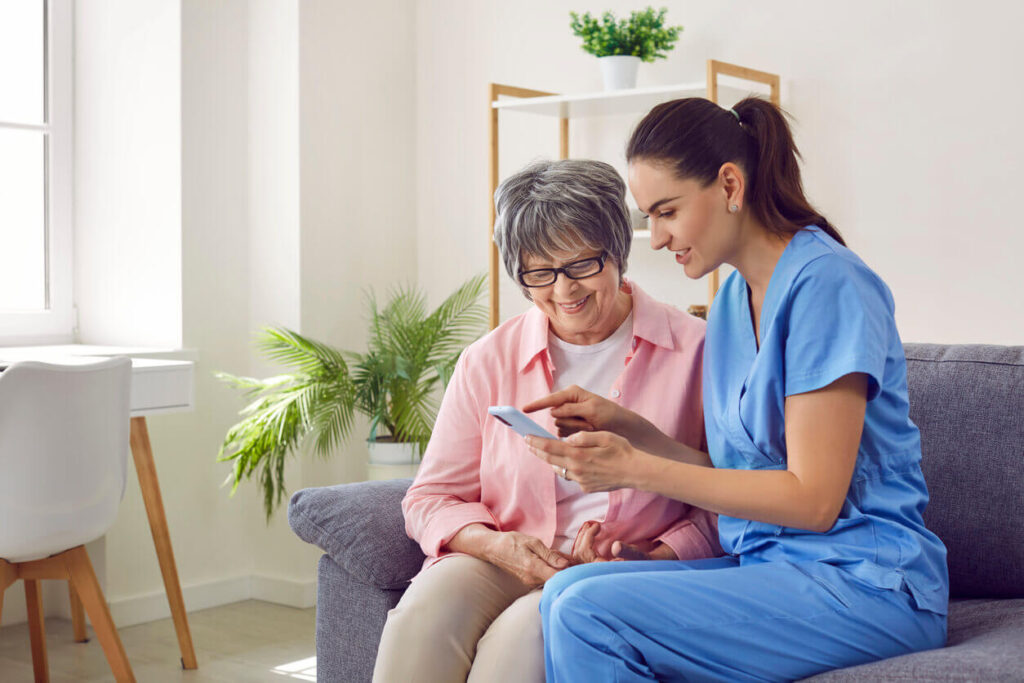
Recovering from surgery can be one of the most challenging stages of a patient’s healthcare journey. While many people assume that recovery ends when they leave the hospital, the truth is that healing often begins at home. According to the Centers for Medicare & Medicaid Services, millions of Americans receive post-acute healthcare services annually after surgery. As hospitals continue shortening inpatient stays, skilled nursing care at home has become an important solution for patients who still require medical attention after discharge. Receiving professional medical support at home allows patients to recover comfortably while reducing the burden on family caregivers.
Many patients return home after orthopedic procedures, cardiac surgeries, or major operations with complex care instructions. Medication schedules, wound care, mobility restrictions, and follow-up appointments can quickly become overwhelming. Without proper support, recovery setbacks can occur, leading to unnecessary hospital readmissions. Professional nursing services bridge this gap by delivering clinical expertise directly to patients in familiar surroundings. This approach not only improves health outcomes but also enhances confidence throughout the healing process.
The Problem: Post-Surgery Recovery Is Often More Difficult Than Expected
Most families are prepared for surgery itself, but many underestimate the demands of the recovery period. Patients frequently leave hospitals within days of their procedures, even though they may still experience pain, weakness, limited mobility, or medication side effects. Family members suddenly become caregivers despite having little or no medical training. Managing these responsibilities while balancing work and personal commitments creates significant stress. As a result, important care instructions may be missed or misunderstood.
Post-surgical complications remain a serious concern across the United States. Research published by the Agency for Healthcare Research and Quality shows that infections, medication errors, and poor follow-up care are common reasons patients return to the hospital after surgery. Small issues such as redness around an incision or missed medications can quickly develop into serious complications. In my experience, many families feel uncertain about recognizing warning signs during recovery. Professional nursing support provides reassurance while reducing avoidable risks.
Agitating the Issue: Inadequate Recovery Support Can Lead to Readmissions
Hospital readmissions are costly for both patients and healthcare systems. According to the Centers for Disease Control and Prevention, nearly twenty percent of Medicare beneficiaries are readmitted within thirty days of discharge. Many of these readmissions occur because patients struggle to manage recovery independently. Complications such as infections, dehydration, blood clots, and uncontrolled pain frequently develop during the early weeks after surgery. These problems often require emergency treatment if not addressed promptly.
Beyond the financial impact, repeat hospitalizations can affect emotional wellbeing. Patients recovering from surgery often experience frustration, anxiety, and fear when complications arise. Family caregivers may also experience burnout while attempting to manage complex medical needs. Frequent trips to hospitals disrupt routines and slow the healing process. Preventing these setbacks requires continuous monitoring and professional guidance during the critical recovery period.
Solution One: Professional Medical Monitoring Promotes Safer Recovery
One of the biggest advantages of skilled nursing care at home is continuous health monitoring. Registered nurses assess vital signs, evaluate symptoms, and monitor overall progress throughout the recovery process. They identify subtle changes in a patient’s condition before complications become severe. Early detection allows physicians to adjust treatment plans quickly and prevent unnecessary hospital visits. This proactive approach significantly improves patient safety.
For example, patients recovering from joint replacement surgery may develop swelling, fever, or increased pain that signals infection. Without professional evaluation, these symptoms might be overlooked until hospitalization becomes necessary. Nurses provide timely assessments and communicate concerns directly to physicians. Research from the Journal of the American Medical Association has shown that coordinated home healthcare programs can lower readmission rates among post-surgical patients. Continuous oversight creates a safer environment for healing.
Solution Two: Effective Wound Care Reduces Complications
Proper wound management is essential after surgery. Incisions require regular assessment, cleaning, dressing changes, and monitoring for signs of infection. Skilled nursing care at home ensures these procedures are performed correctly by licensed professionals. Nurses evaluate healing progress during each visit and educate patients about proper wound care practices. Their expertise helps minimize complications and accelerate recovery.
Surgical site infections remain one of the leading causes of post-operative complications nationwide. The Centers for Disease Control and Prevention estimates that surgical site infections account for a significant percentage of healthcare-associated infections in the United States. Home nurses recognize early warning signs such as redness, drainage, swelling, or unusual pain. Prompt intervention often prevents minor concerns from developing into serious medical emergencies. Professional wound care remains a critical component of successful recovery.
Solution Three: Medication Management Improves Treatment Outcomes
After surgery, patients often receive multiple medications, including pain relievers, antibiotics, blood thinners, and anti-inflammatory drugs. Managing these medications correctly can be challenging, especially for older adults or individuals with chronic conditions. Skilled nursing care at home helps patients follow medication schedules accurately while monitoring for side effects and adverse reactions. Nurses also educate patients and caregivers about proper administration techniques. This guidance reduces medication errors and improves treatment effectiveness.
Medication mistakes are more common than many people realize. Studies from the National Institutes of Health indicate that medication-related problems contribute to thousands of preventable hospitalizations annually. In my conversations with families, medication confusion consistently ranks among their greatest concerns following discharge. Professional nursing support provides structure and reassurance during recovery. Accurate medication management supports safer healing and better outcomes.
Solution Four: Personalized Rehabilitation Encourages Faster Healing
Recovery does not end once pain subsides. Many surgical patients require rehabilitation to regain strength, mobility, and independence. Home-based nursing teams often coordinate closely with physical, occupational, and speech therapists to create personalized recovery plans. Receiving rehabilitation services at home allows patients to practice exercises within their actual living environments. This practical approach often improves participation and long-term success.
Healthcare organizations operating across advanced healthcare locations throughout the United States increasingly integrate home-based rehabilitation into post-surgical care programs. Patients recovering from orthopedic procedures, for instance, often progress more comfortably when therapy occurs at home. Therapists can identify environmental hazards and recommend modifications that improve safety. Personalized rehabilitation promotes confidence while reducing the risk of falls and complications. Consistent therapy remains essential for restoring independence.
Solution Five: Chronic Disease Management Supports Recovery
Many surgical patients also live with chronic illnesses such as diabetes, heart disease, or respiratory conditions. These underlying conditions can complicate recovery if not managed carefully. Skilled nursing care at home provides ongoing monitoring and disease management throughout the healing process. Nurses track symptoms, reinforce treatment plans, and educate patients about lifestyle adjustments. Effective chronic disease management supports smoother recovery and prevents setbacks.
For example, individuals with diabetes face increased risks of delayed wound healing and infection following surgery. Regular nursing visits help ensure blood glucose levels remain stable during recovery. Similar support benefits patients recovering from cardiac procedures or respiratory surgeries. Healthcare providers across advanced healthcare locations recognize that coordinated chronic disease management improves post-surgical outcomes. Comprehensive care addresses the whole patient rather than focusing solely on the surgical procedure.
Solution Six: Family Caregivers Receive Education and Support
Family members often play central roles in post-surgery recovery, yet many feel unprepared for caregiving responsibilities. Nurses provide hands-on training that helps caregivers confidently assist with medications, mobility, wound care, and symptom monitoring. Education empowers families while reducing stress and uncertainty. Caregivers gain a better understanding of what to expect during each stage of recovery. This knowledge leads to improved patient outcomes.
In my experience, caregiver education is one of the most valuable aspects of home healthcare. Families frequently report feeling overwhelmed immediately after hospital discharge. Professional guidance transforms uncertainty into confidence by answering questions and demonstrating proper techniques. Nurses also explain warning signs that require medical attention. Well-informed caregivers become active partners in the recovery process.
Real-World Examples from U.S. Healthcare Organizations
Major healthcare organizations throughout the United States continue expanding home-based recovery programs because of their positive results. Companies such as Amedisys, Enhabit Home Health, and LHC Group partner with hospitals to provide post-surgical nursing support. These programs focus on reducing readmissions while improving patient satisfaction. Studies consistently demonstrate that patients receiving coordinated home healthcare experience fewer complications and higher satisfaction levels.
The University of Pennsylvania’s Transitional Care Model offers another successful example. This evidence-based program uses advanced practice nurses to guide patients through recovery after hospitalization. Research has shown reductions in hospital readmissions and healthcare costs among participants. Similar initiatives are now being adopted across advanced healthcare locations nationwide. These real-world examples highlight the growing value of professional home nursing services.
Additional Emotional Benefits of Recovering at Home
Physical healing is only one part of recovery. Emotional wellbeing also influences how quickly patients regain strength and independence. Recovering in familiar surroundings often reduces stress, improves sleep quality, and encourages positive attitudes. Patients can remain close to loved ones while maintaining daily routines whenever possible. This comfort frequently contributes to faster recovery experiences.
Hospital environments, while essential for acute care, can sometimes increase anxiety or disrupt rest. Home settings provide greater privacy and control over daily activities. Patients often report feeling more motivated and optimistic when recovering in their own spaces. Skilled nursing care at home combines professional medical oversight with the emotional benefits of familiar surroundings. Together, these factors create an environment that supports comprehensive healing.
Conclusion
Successful post-surgery recovery requires much more than discharge instructions and follow-up appointments. Patients need ongoing monitoring, medication support, wound management, rehabilitation, and education throughout the healing process. Skilled nursing care at home delivers these essential services while allowing individuals to recover safely in familiar surroundings. By reducing complications, preventing readmissions, and supporting both patients and caregivers, home-based nursing continues transforming post-operative care. As healthcare evolves, professional in-home nursing services will remain an important component of effective recovery strategies.