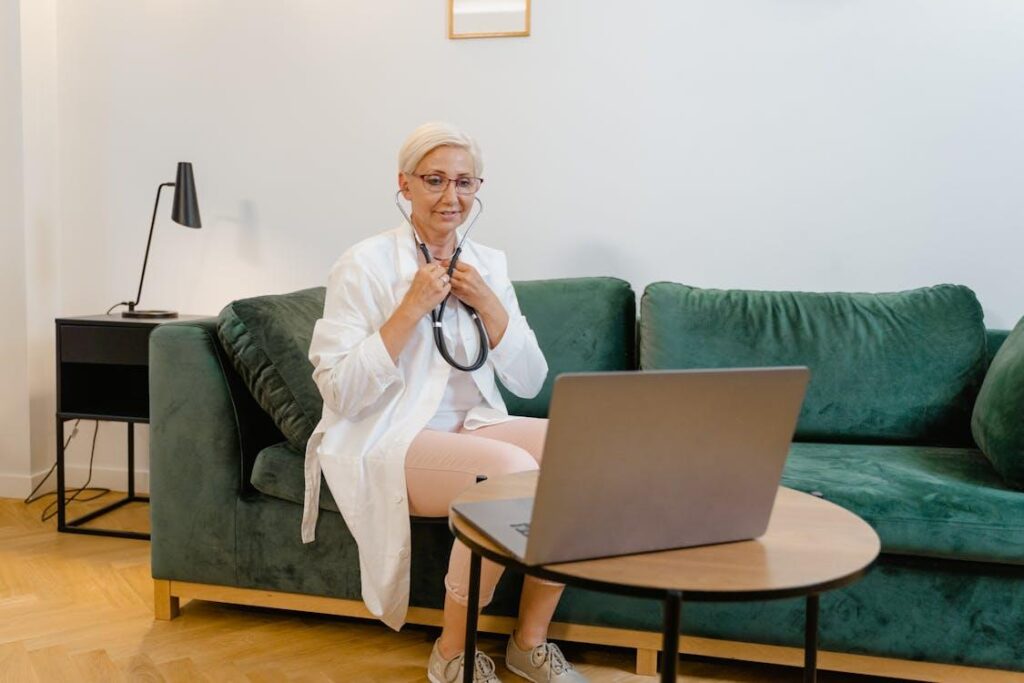
Mental health care in the United States is undergoing a meaningful transformation, driven by innovation in both treatment modalities and delivery systems. Among the most notable developments is the rise of home based ketamine treatment, a model that leverages telehealth to expand access to a fast-acting intervention for depression. Once limited to clinical settings under close supervision, ketamine therapy is now increasingly being administered in patients’ homes, guided remotely by licensed providers. This shift is not only redefining how care is delivered but also who can access it.
Understanding Ketamine as a Treatment for Depression
Ketamine, originally developed as an anesthetic, has emerged over the past two decades as a promising option for treatment-resistant depression. Unlike traditional antidepressants that target monoamine neurotransmitters such as serotonin and dopamine, ketamine works primarily through modulation of the glutamate system. This mechanism is associated with rapid synaptogenesis and enhanced neural connectivity, offering relief in hours or days rather than weeks.
For patients who have not responded to selective serotonin reuptake inhibitors or other standard therapies, ketamine provides a clinically distinct pathway. Its rapid onset of action has made it particularly valuable in acute cases, including those involving suicidal ideation.
The Evolution from Clinics to Homes

Historically, ketamine therapy has been administered in controlled clinical environments, either through intravenous infusions or intramuscular injections. These sessions required in-person monitoring, limiting access due to geographic, financial, and logistical barriers.
Telehealth has fundamentally altered this model. Today, many providers offer structured at-home programs that include virtual consultations, remote monitoring, and delivery of oral or sublingual ketamine formulations. Patients undergo screening, receive detailed instructions, and participate in guided sessions from their own homes.
This transition reflects a broader trend in healthcare toward decentralization. By moving care outside traditional facilities, telehealth platforms are reducing friction points and improving patient adherence.
How Telehealth Enables At-Home Ketamine Therapy

Telehealth serves as the operational backbone of at-home ketamine programs. The process typically involves several stages:
1. Initial Assessment
Patients complete a comprehensive intake, often including psychiatric history, current medications, and symptom severity scales. Licensed clinicians evaluate eligibility and determine whether ketamine is appropriate.
2. Personalized Treatment Planning
If approved, patients receive a tailored protocol that outlines dosage, frequency, and session structure. Many programs incorporate preparatory sessions to set expectations and establish therapeutic goals.
3. Medication Delivery
Ketamine is shipped directly to the patient in a regulated form, commonly as lozenges or tablets designed for sublingual absorption.
4. Guided Sessions
During treatment sessions, patients are monitored remotely through video calls or digital check-ins. Some providers also integrate wearable devices or mobile apps to track physiological and psychological responses.
5. Integration and Follow-Up
Post-session integration is a critical component. Patients discuss their experiences with clinicians or therapists to reinforce insights and optimize outcomes.
This end-to-end model demonstrates how telehealth can replicate key aspects of in-clinic care while offering greater convenience and scalability.
Benefits of At-Home Ketamine Treatment

Increased Accessibility
One of the most significant advantages is expanded access. Patients in rural or underserved areas can now receive specialized care without traveling long distances.
Reduced Stigma
Receiving treatment at home offers a level of privacy that can reduce the stigma often associated with mental health services.
Convenience and Flexibility
Scheduling becomes more manageable, particularly for individuals balancing work, family, or other commitments.
Enhanced Comfort
Being in a familiar environment can improve the therapeutic experience. Many patients report feeling more relaxed and open during sessions conducted at home.
Cost Efficiency
While not universally cheaper, at-home models often reduce overhead costs associated with clinical facilities, potentially lowering the overall price of care.
Safety Considerations and Clinical Oversight
Despite its benefits, at-home ketamine therapy raises important safety and regulatory considerations. Ketamine is a controlled substance with potential for misuse, and its psychoactive effects require careful management.
Reputable telehealth providers address these concerns through:
- Rigorous screening protocols to exclude high-risk patients
- Structured dosing regimens to minimize adverse effects
- Real-time or near-real-time monitoring during sessions
- Clear emergency protocols and support systems
In addition, many programs require the presence of a “sitter” during sessions to ensure patient safety. Ongoing clinical oversight is essential to maintaining treatment integrity and minimizing risks.
Regulatory Landscape in the United States
The expansion of telehealth services, including ketamine therapy, has been influenced by evolving regulatory frameworks. During the COVID-19 pandemic, temporary waivers allowed for greater flexibility in prescribing controlled substances via telemedicine.
Although some of these provisions are under review, the broader shift toward digital care is expected to persist. Policymakers and professional organizations are actively working to balance accessibility with patient safety, which will shape the future of at-home ketamine treatment.
Clinical Outcomes and Patient Experience
Emerging data suggests that at-home ketamine therapy can achieve outcomes comparable to in-clinic treatments when properly managed. Patients often report rapid improvements in mood, reduced anxiety, and enhanced cognitive flexibility.
Equally important is the subjective experience. Many individuals describe ketamine sessions as introspective and emotionally meaningful, which can complement traditional psychotherapy. When combined with integration support, these experiences may contribute to sustained therapeutic benefits.
However, variability in response remains a key consideration. Not all patients benefit equally, and ongoing research is needed to refine patient selection and optimize protocols.
Challenges and Limitations
While promising, the at-home ketamine model is not without challenges:
Variability in Provider Quality
The rapid growth of telehealth platforms has led to inconsistencies in clinical standards. Patients must carefully evaluate providers to ensure they meet established guidelines.
Limited Insurance Coverage
Many programs operate on a self-pay basis, which can limit accessibility for lower-income populations.
Data Gaps
Long-term safety and efficacy data for at-home administration are still developing. Continued research is essential to validate this model.
Potential for Misuse
Without proper oversight, there is a risk of inappropriate use. This underscores the importance of robust clinical governance.
The Future of Depression Treatment
The rise of at-home ketamine therapy reflects a broader shift toward personalized, patient-centered care. As digital health technologies continue to evolve, integration with other modalities such as cognitive behavioral therapy, digital therapeutics, and biometric monitoring is likely to enhance outcomes.
Artificial intelligence and predictive analytics may further refine treatment protocols, enabling clinicians to tailor interventions based on individual response patterns. This convergence of pharmacology and technology represents a new frontier in mental health care.
Redefining Depression Care through Scalable, Home-Based Innovation
The at-home ketamine revolution is reshaping the landscape of depression treatment in America. By combining a novel therapeutic mechanism with the scalability of telehealth, this model is addressing longstanding barriers to care. While challenges remain, the potential to deliver rapid, effective, and accessible treatment is significant.
As regulatory frameworks stabilize and clinical evidence continues to grow, home-based approaches are poised to become an integral part of modern mental health care. For patients seeking alternatives to traditional therapies, at-home ketamine treatment offers a compelling and increasingly viable option.
Benefit from At-Home Depression Treatments with Daytryp RX
Access affordable at home ketamine therapy with trusted providers offering home based ketamine treatment and online ketamine treatment options. Explore ketamine troche therapy and personalized care designed to support lasting relief from depression, safely and conveniently at home. Start your journey with Daytryp RX today.
About the Author
Dr. Lila Monroe is a clinical researcher focused on telepsychiatry, innovative depression treatments, and improving access to evidence-based mental health care.