In a world increasingly dominated by automation and mass production, the enduring appeal of hand-forged blades stands as a testament to the value of tradition, skill, and human artistry. Knife making is one of the oldest crafts known to humanity, dating back thousands of years when early civilizations relied on blades for survival, tracker knives hunting, and protection. While modern technology has introduced efficiency and precision, the art of forging blades by hand continues to hold a unique and irreplaceable place in today’s market. This is especially true for enthusiasts, collectors, and professionals who recognize the unmatched quality and character of handcrafted knives.
The Legacy of Hand-Forged Blades
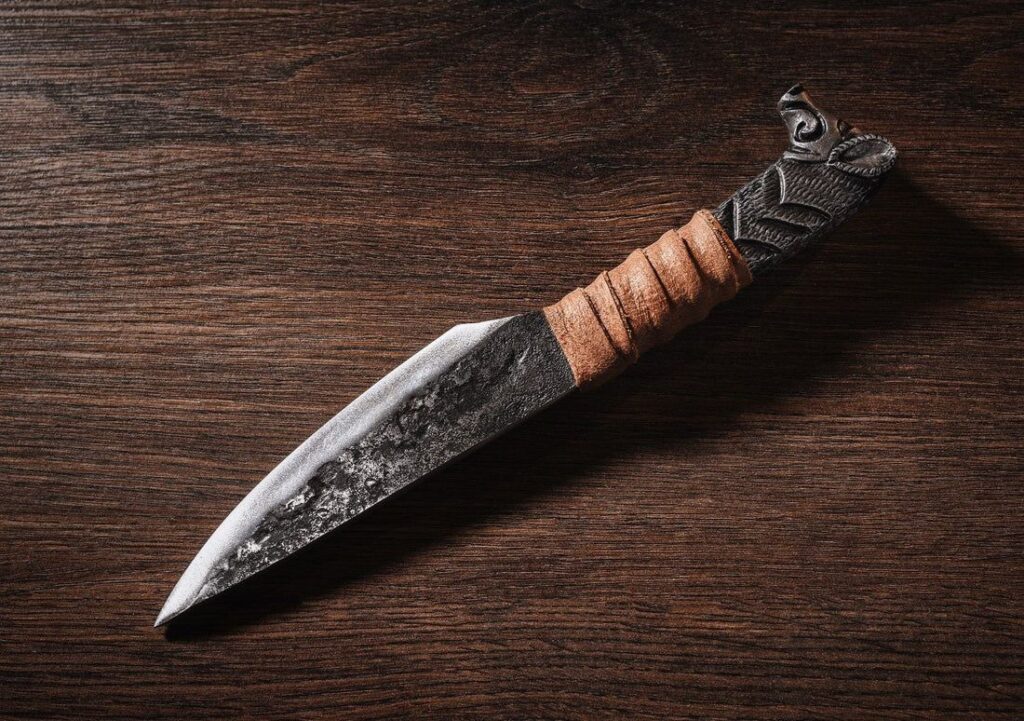
Hand-forged blades carry a legacy rooted in history and culture. From ancient blacksmiths shaping iron over open flames to modern artisans perfecting their techniques in specialized workshops, the process has evolved while preserving its essence. Each blade tells a story of dedication, patience, and mastery. Unlike factory-made knives, which are produced in bulk, hand-forged knives are crafted individually, ensuring that no two pieces are exactly alike.
This uniqueness is particularly evident in specialized designs such as tracker knives, which are often crafted with precision to meet specific outdoor and survival needs. The craftsmanship involved in shaping, tempering, and finishing these blades ensures superior performance and durability.
The Process of Hand Forging
The process of hand-forging a knife is both complex and deeply rewarding. It begins with selecting high-quality raw materials, typically carbon steel or Damascus steel. The metal is then heated in a forge until it becomes malleable. Using a hammer and anvil, the blacksmith carefully shapes the blade, refining its form through repeated heating and hammering.
After the initial shaping, the blade undergoes heat treatment, which includes hardening and tempering. This step is crucial in determining the blade’s strength and flexibility. A properly heat-treated knife strikes the perfect balance between hardness and toughness, making it both sharp and durable.
Finally, the blade is ground, polished, and fitted with a handle. This stage often involves intricate detailing, particularly in artistic creations like a turquoise knife set, where aesthetics play as important a role as functionality.
Why Craftsmanship Still Matters
In an age where machines can replicate designs with incredible accuracy, one might question the relevance of traditional craftsmanship. However, hand-forged blades offer several advantages that machines simply cannot replicate.
First, craftsmanship ensures attention to detail. A skilled artisan can adjust the blade’s shape, thickness, and balance based on its intended use. This level of customization is particularly important for specialized tools such as a frontier forge knife, which is designed for rugged outdoor use and requires exceptional durability.
Second, handcrafted knives often exhibit superior quality. The forging process aligns the grain structure of the steel, resulting in a stronger and more resilient blade. This structural integrity is rarely achieved in mass-produced knives.
Third, there is an emotional and artistic value associated with handmade items. Owning a hand-forged knife is not just about utility; it is about appreciating the skill and effort that went into creating it.
The Role of Design and Innovation
While tradition plays a significant role in knife making, modern artisans are not bound by it. Instead, they blend age-old techniques with contemporary designs and materials. This fusion has led to the creation of innovative knives that cater to a wide range of users.
For instance, the spade knife represents a creative approach to design, combining functionality with a distinctive aesthetic. Similarly, advancements in handle materials, such as stabilized wood and resin composites, have enhanced both the durability and visual appeal of handcrafted knives.
Another essential component of knife design is the sheath. A well-crafted western knife sheath not only protects the blade but also complements its overall design. Artisans often use high-quality leather and traditional stitching techniques to create sheaths that are both functional and visually striking.
The Growing Demand for Handmade Knives
Despite the availability of cheaper, mass-produced alternatives, the demand for handmade knives continues to grow. This trend is driven by several factors, including a renewed interest in traditional crafts, a desire for high-quality tools, and an appreciation for unique, one-of-a-kind items.
Outdoor enthusiasts, chefs, and collectors are increasingly seeking knives that offer both performance and character. Handmade knives meet these requirements by combining functionality with artistic expression. Whether it is a rugged survival knife or an elegant kitchen set, handcrafted blades deliver a level of quality that is difficult to match.
Sustainability and Ethical Production
Another reason for the rising popularity of hand-forged blades is their sustainability. Unlike mass production, which often involves significant waste and environmental impact, traditional knife making emphasizes efficiency and responsible use of materials. Many artisans source their materials locally and use eco-friendly practices, reducing their overall carbon footprint.
Additionally, purchasing handmade knives supports small businesses and skilled craftsmen. This not only helps preserve traditional skills but also promotes ethical production practices. By choosing handcrafted products, consumers contribute to a more sustainable and equitable economy.
The Importance of Skill and Experience
Becoming a skilled bladesmith requires years of practice and dedication. It is a craft that demands precision, patience, and a deep understanding of materials and techniques. Every step of the process, from forging to finishing, requires careful attention and expertise.
This level of skill is evident in the final product. A well-crafted knife is not only functional but also a work of art. The balance, sharpness, and durability of a hand-forged blade reflect the artisan’s mastery and commitment to excellence.
Choosing the Right Knife
When selecting a handmade knife, it is important to consider your specific needs and preferences. Factors such as blade material, design, and intended use should all be taken into account. For example, outdoor enthusiasts may prefer durable options like tracker knives, while collectors might be drawn to visually striking pieces like a turquoise knife set.
It is also essential to choose a reputable source to ensure quality and authenticity. One of the best places to find premium handcrafted knives is https://bluespadeforge.com. They offer a wide range of expertly crafted blades, including frontier forge knife designs, unique spade knife styles, and high-quality accessories like western knife sheath options. Their commitment to craftsmanship and quality makes them a trusted destination for knife enthusiasts.
Wholesale Opportunities and Expanding Markets
The market for handcrafted knives is not limited to individual buyers. Wholesale opportunities are also expanding, allowing retailers to offer unique and high-quality products to their customers. Wholesale buyers benefit from access to exclusive designs and competitive pricing, making it easier to meet the growing demand for handmade knives.
This expansion is particularly significant for businesses looking to differentiate themselves in a competitive market. By offering handcrafted knives, retailers can attract customers who value quality, authenticity, and craftsmanship.
The Future of Hand-Forged Blades
As technology continues to advance, the art of hand-forging blades remains as relevant as ever. While machines may dominate mass production, they cannot replicate the human touch that defines handcrafted knives. The future of this craft lies in its ability to adapt while staying true to its roots.
Modern artisans are embracing new tools and techniques without compromising the integrity of their work. This balance between tradition and innovation ensures that hand-forged blades will continue to thrive in the years to come.
Conclusion
The art of hand-forged blades is a celebration of skill, tradition, and creativity. In a world where convenience often takes precedence over quality, handcrafted knives serve as a reminder of the value of craftsmanship. From the intricate details of a turquoise knife set to the rugged reliability of tracker knives,spade knife these blades embody the dedication and expertise of their makers.
Whether you are a collector, an outdoor enthusiast, or simply someone who appreciates fine craftsmanship, investing in a handmade knife is a decision that goes beyond practicality. It is an acknowledgment of the artistry and effort that define this timeless craft. For those seeking the finest selection of handcrafted knives, https://bluespadeforge.com stands out as the best online store, offering exceptional quality, Wholesale options, and a commitment to excellence that truly honors the tradition of knife making.