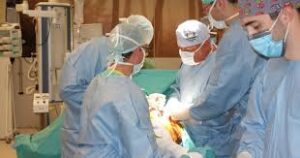
Stem Cells for Knee: A Modern Approach to Joint Pain and Regeneration
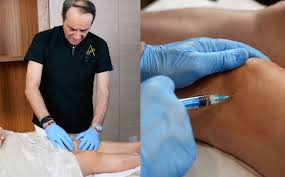
Stem Cells for Knee
Knee pain is one of the most common musculoskeletal complaints worldwide, affecting athletes, older adults, and even younger individuals with active lifestyles. Whether caused by injury, arthritis, or gradual wear and tear, knee problems can significantly reduce mobility and quality of life. Traditional treatments—such as pain medications, physical therapy, and surgery—have long been the standard approach. However, in recent years, a new and promising option has gained attention: stem cells for knee treatment.
Stem cell therapy represents a shift from simply managing symptoms to potentially repairing damaged tissues. While it is still evolving and not a universal solution, it offers an intriguing alternative for people seeking less invasive options for knee pain relief and joint regeneration. Also you can check Knee injury treatments
Understanding Stem Cells
Stem cells are unique cells in the body with the ability to develop into different types of specialized cells. They also have the capacity to self-renew, meaning they can divide and produce more stem cells. This dual capability makes them particularly valuable in regenerative medicine. You can check this underarm botox
In the context of knee treatment, stem cells are typically used to support the repair of damaged cartilage, ligaments, and other joint structures. The most commonly used types in orthopedic treatments include:
- Mesenchymal stem cells (MSCs): Found in bone marrow and fat tissue, these are widely used for joint therapies.
- Adipose-derived stem cells: Extracted from fat tissue, often easier to obtain in larger quantities.
- Bone marrow-derived stem cells: Harvested from the patient’s own bone marrow, typically from the hip.
These cells are usually autologous, meaning they come from the patient’s own body, which reduces the risk of rejection or complications.
How Stem Cell Therapy Works for the Knee
Stem cell therapy for knee conditions involves several steps. First, the cells are collected from the patient, often through a minimally invasive procedure. Then, they are processed and concentrated before being injected directly into the affected knee joint.
Once injected, stem cells may help in several ways:
- Reducing inflammation: They release anti-inflammatory signals that can ease pain and swelling.
- Promoting tissue repair: Stem cells may encourage the regeneration of cartilage and other joint tissues.
- Improving joint function: By addressing underlying damage, patients may experience better mobility and reduced stiffness.
It’s important to note that stem cells don’t “magically” rebuild the knee overnight. Instead, they create an environment that supports the body’s natural healing processes.
Conditions Treated with Stem Cells for Knee
Stem cell therapy is being explored for a variety of knee-related conditions, including:
Osteoarthritis
One of the most common uses is for knee osteoarthritis, a degenerative condition where cartilage gradually breaks down. Stem cells may help slow progression and reduce pain.
Meniscus Tears
The meniscus is a cartilage structure that cushions the knee. Minor tears may benefit from regenerative support provided by stem cells.
Ligament Injuries
While severe ligament tears often require surgery, stem cells may assist in healing mild to moderate injuries.
Cartilage Damage
Damage from injury or wear can lead to joint dysfunction. Stem cells aim to promote repair of these tissues.
Benefits of Stem Cell Therapy for Knee Pain
The growing interest in stem cells for knee treatment is largely due to its potential advantages over traditional approaches.
Minimally Invasive
Unlike knee replacement surgery, stem cell therapy involves injections rather than large incisions, leading to shorter recovery times.
Reduced Pain and Inflammation
Many patients report a decrease in pain and swelling after treatment, although results can vary.
Potential for Regeneration
Instead of just masking symptoms, stem cells may help repair underlying damage.
Lower Risk of Complications
Since the cells are often taken from the patient’s own body, the risk of immune rejection is minimal.
Limitations and Considerations
Despite its promise, stem cell therapy is not a cure-all. It’s important to approach it with realistic expectations.
Variable Results
Not all patients experience the same level of improvement. Factors such as age, severity of damage, and overall health play a role.
Ongoing Research
While many studies show encouraging results, long-term data is still being collected. The treatment is considered innovative but not yet universally standardized.
Cost
Stem cell therapy can be expensive and is often not covered by insurance, making it less accessible for some patients.
Not Suitable for Everyone
Advanced joint damage or severe structural issues may still require surgical intervention.
What to Expect During Treatment
The process of receiving stem cells for knee therapy typically involves:
- Consultation: A medical professional evaluates your condition through imaging and physical examination.
- Cell Collection: Stem cells are harvested from bone marrow or fat tissue.
- Processing: The cells are concentrated in a laboratory setting.
- Injection: The prepared cells are injected into the knee joint.
- Recovery: Patients may need to limit activity for a short period and follow rehabilitation guidelines.
Most procedures are done on an outpatient basis, allowing patients to return home the same day.
Recovery and Results
Recovery from stem cell therapy is generally quicker than surgical alternatives. Some patients notice improvements within weeks, while others may take several months to experience full benefits.
Typical recovery guidelines include:
- Avoiding strenuous activities initially
- Participating in physical therapy if recommended
- Maintaining a healthy lifestyle to support healing
Results vary, but many patients report improved mobility, reduced pain, and enhanced quality of life.
The Future of Stem Cells in Knee Treatment
The field of regenerative medicine is rapidly advancing, and stem cell therapy is at the forefront of this progress. Researchers are exploring ways to improve the effectiveness of treatments, including:
- Combining stem cells with growth factors or platelet-rich plasma (PRP)
- Enhancing cell delivery techniques
- Developing standardized protocols for better outcomes
As research continues, stem cell therapy may become a more widely accepted and accessible option for knee conditions.
Is Stem Cell Therapy Right for You?
Deciding whether to pursue stem cells for knee treatment requires careful consideration and consultation with a qualified medical professional. It may be a suitable option if:
- You have mild to moderate knee damage
- You want to avoid or delay surgery
- Traditional treatments have not provided sufficient relief
However, it’s essential to seek treatment from reputable clinics that follow established medical guidelines.
Conclusion
Stem cell therapy for knee conditions represents a promising step forward in the treatment of joint pain and degeneration. By focusing on repair and regeneration rather than just symptom management, it offers a new perspective for individuals struggling with knee issues.
While it is not a guaranteed solution and still requires further research, the potential benefits of stem cells for knee treatment continue to attract attention from both patients and medical professionals. As technology advances and understanding deepens, this innovative approach may play an increasingly important role in restoring mobility and improving quality of life for people around the world.