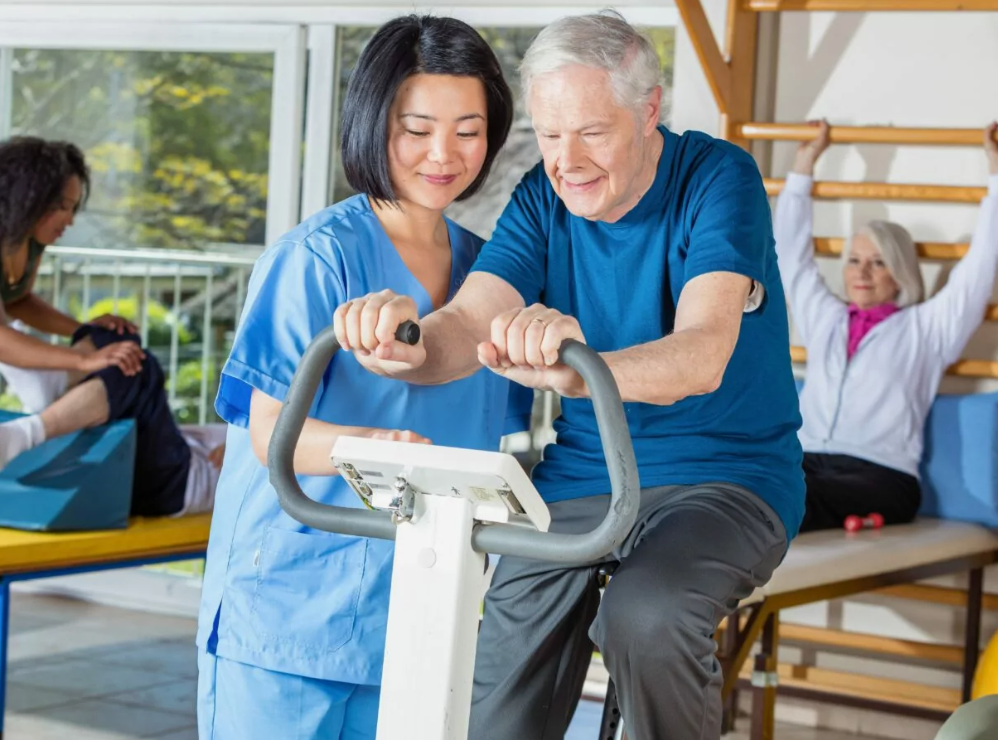
Sports injuries can affect far more than an athlete’s ability to compete. A strained muscle, joint injury, overuse problem, or movement limitation can interfere with exercise, work, recreation, and everyday activities. Sports therapy in Ashburn provides a structured approach to rehabilitation by addressing the physical factors that may contribute to pain or reduced performance. Through assessment, targeted exercises, movement training, and progressive rehabilitation, sports-focused therapy can help active individuals work toward restoring function while developing better awareness of how their bodies move.
Sports therapy can benefit people across different activity levels, from competitive athletes and recreational runners to gym enthusiasts and individuals who simply want to remain active. Effective treatment should reflect the person’s sport, lifestyle, physical condition, and recovery goals rather than relying on a generic exercise routine. A personalized approach can help patients understand their limitations, build appropriate strength and mobility, and gradually resume activities without unnecessarily rushing the recovery process.
Understanding Sports Therapy and Its Role in Rehabilitation
Sports therapy focuses on the assessment and rehabilitation of physical problems affecting movement and activity. Although the term is commonly associated with athletes, sports-oriented rehabilitation can be useful for anyone experiencing an injury related to exercise, recreation, repetitive movement, or physical activity. Treatment may involve therapeutic exercises, mobility techniques, strengthening, balance training, movement correction, and education about activity modification. An important part of the process is identifying the functional limitations that affect performance rather than concentrating only on where discomfort is felt. For example, reduced mobility in one area may influence movement elsewhere, while inadequate strength or poor control can make certain activities more demanding. Understanding these relationships allows rehabilitation to be tailored to the individual’s actual needs.
Common Reasons Active Individuals Seek Sports Therapy
Active people may seek sports therapy for many different reasons, including acute injuries, recurring discomfort, reduced flexibility, weakness, or difficulty returning to a preferred activity. Running-related problems, muscle strains, ligament injuries, joint irritation, and overuse conditions can all affect training routines. Some individuals begin therapy after an injury has already occurred, while others seek professional guidance when a recurring physical issue begins limiting performance. Post-surgical rehabilitation is another area where sports-focused care can be valuable for active patients who eventually want to return to exercise or athletic participation. Rather than treating recovery as a single event, a structured rehabilitation plan can help patients move through different stages, from restoring basic movement to rebuilding the strength, coordination, and tolerance required for more demanding activities.
The Importance of a Personalized Treatment Plan
Every athlete and active individual has different physical demands, which makes personalization an important component of sports rehabilitation. A recreational cyclist may have different mobility and strength requirements from a basketball player, while a distance runner may need a different progression from someone who participates primarily in strength training. A therapist can consider factors such as the individual’s activity, injury history, current physical abilities, training habits, and specific goals when developing a treatment plan. This information can help determine which movements should be emphasized and how rehabilitation should progress. Personalization also allows the program to change as the patient improves. Exercises that are appropriate during an early recovery stage may become too easy later, while more advanced activities may need to be introduced gradually as strength and movement control return.
Building Strength, Mobility, and Movement Control
Successful sports rehabilitation involves more than waiting for symptoms to disappear. Active individuals often need to rebuild the physical qualities required for their preferred activities. Strength training can help restore the capacity to produce and control force, while mobility exercises may address restrictions that interfere with efficient movement. Balance and coordination work can also become important when an injury has affected how a person controls a joint or moves through different positions. Movement quality deserves particular attention because athletes frequently repeat the same patterns during training. Improving control and gradually exposing the body to appropriate demands can help bridge the gap between basic rehabilitation exercises and real-world activity. The goal is to develop physical capacity that matches the demands placed on the body rather than simply completing a predetermined set of exercises.
Returning to Exercise After an Injury
One of the most challenging parts of rehabilitation is deciding when and how to resume normal activity. Feeling better does not necessarily mean that strength, endurance, coordination, or movement tolerance have completely returned. A sudden return to previous training intensity can place considerable demands on an area that has not yet regained its previous capacity. A gradual progression can provide a more practical pathway back to activity. Depending on the individual and the injury, this may involve increasing exercise difficulty, resistance, duration, movement speed, or sport-specific demands over time. Patients should communicate openly about how they respond to each stage of rehabilitation so that their program can be adjusted appropriately. This process can make the transition from clinical exercises to normal training more structured and manageable.
Preventing Recurring Problems Through Better Movement Habits
Rehabilitation can also be an opportunity to identify habits that may contribute to repeated problems. Training volume, inadequate recovery, sudden increases in activity, poor movement control, or insufficient strength can sometimes place additional stress on the body. Not every injury has a single identifiable cause, but understanding relevant physical and training factors can help individuals make more informed decisions. A therapist may provide guidance on exercise technique, progression, warm-up routines, mobility work, strengthening, or modifications to demanding activities. These strategies are not intended to eliminate every possibility of future injury, but they can help active individuals develop a more balanced approach to training and recovery. Long-term physical health often depends on consistency, appropriate progression, and paying attention to changes in performance or movement.
Choosing the Right Sports Therapy Approach in Ashburn
Finding an appropriate sports therapy provider involves considering the quality of the assessment, communication, treatment approach, and attention given to individual goals. Patients should feel comfortable explaining their activity level, injury history, training routine, and desired outcomes. A useful rehabilitation program should be understandable and should provide a logical connection between exercises performed during therapy and the activities the patient wants to resume. It is also important for treatment to evolve rather than remaining unchanged throughout the recovery process. As strength, mobility, and confidence improve, rehabilitation can become progressively more challenging when appropriate. For active residents of Ashburn, choosing care that recognizes the demands of their lifestyle can make the rehabilitation process more relevant and practical.
Conclusion
Sports therapy in Ashburn can provide valuable support for individuals working through injuries, movement limitations, or challenges associated with returning to physical activity. Effective rehabilitation combines professional assessment with personalized exercise, progressive strengthening, mobility work, movement training, and clear communication. The objective is not simply to resume activity as quickly as possible, but to rebuild the physical capacity needed for the demands of that activity and to make sensible decisions throughout the recovery process. Whether someone participates competitively or exercises for personal health, a thoughtful sports therapy approach can help connect rehabilitation with meaningful everyday and athletic goals while encouraging sustainable movement habits.