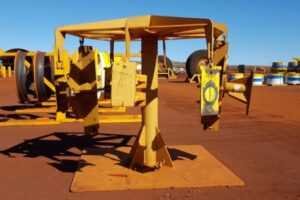
Smart Environmental Solutions by Luthra Group India for Modern Industries
In today’s rapidly evolving industrial landscape, businesses are under increasing pressure to adopt cleaner, safer, and more sustainable practices. From manufacturing plants to infrastructure projects, industries are now expected to reduce environmental impact while maintaining operational efficiency. This shift has created a growing demand for advanced environmental technologies that support both productivity and compliance. Among the companies contributing to this transformation, Luthra India has emerged as a trusted name offering innovative and practical solutions for modern industries.
With decades of expertise and a strong commitment to environmental responsibility, the company has built a reputation for delivering high-performance systems that address critical industrial challenges. Their solutions are designed to help industries improve air quality, manage waste effectively, optimize energy usage, and create safer working environments.
The Growing Importance of Environmental Solutions in Industry
Industries across sectors are facing stricter environmental regulations and increasing public awareness regarding sustainability. Companies are no longer judged only by production capacity or profitability; they are also evaluated based on how responsibly they operate.
Modern industrial facilities now require:
- Efficient pollution control systems
- Sustainable waste management solutions
- Energy-efficient technologies
- Dust and emission control mechanisms
- Safe and eco-friendly operational processes
Environmental solutions have become essential for industries such as:
- Cement manufacturing
- Steel and metal processing
- Power generation
- Mining operations
- Chemical industries
- Construction and infrastructure
Businesses investing in sustainable industrial practices not only meet legal requirements but also enhance brand credibility and long-term operational efficiency.
Advanced Industrial Innovation for Cleaner Operations
Modern industries demand technology that delivers performance without compromising environmental standards. Innovative engineering solutions play a vital role in reducing harmful emissions and improving workplace safety.
The company focuses on delivering smart systems that support industries in achieving:
Better Air Pollution Control
Industrial air pollution remains one of the biggest environmental concerns worldwide. Advanced filtration and dust collection systems help industries reduce airborne contaminants and maintain cleaner production environments.
Effective pollution control technologies can help businesses:
- Improve air quality inside facilities
- Minimize harmful particulate emissions
- Enhance worker safety
- Comply with environmental regulations
- Increase equipment lifespan
Efficient Material Handling Systems
Modern industries require streamlined material handling processes to improve productivity and reduce operational waste. Smart engineering systems ensure efficient transportation, storage, and management of industrial materials.
Benefits include:
- Reduced material loss
- Faster operational workflow
- Lower maintenance requirements
- Improved workplace safety
- Better energy efficiency
Sustainable Industrial Infrastructure
Industrial sustainability is no longer optional. Businesses are actively seeking infrastructure solutions that support long-term environmental goals while reducing operational costs.
Sustainable industrial technologies contribute to:
- Lower energy consumption
- Reduced carbon emissions
- Improved resource management
- Enhanced production efficiency
- Long-term cost savings
Why Modern Industries Need Smart Environmental Technologies
Industrial operations generate significant environmental challenges if not managed properly. Dust emissions, waste generation, and inefficient processing systems can negatively impact both productivity and environmental performance.
This is why industries are increasingly adopting smart environmental technologies that combine automation, precision engineering, and sustainability-focused design.
Key Advantages of Smart Environmental Systems
Improved Regulatory Compliance
Governments and environmental agencies are implementing stricter industrial standards. Advanced environmental systems help companies stay compliant and avoid penalties.
Increased Operational Efficiency
Modern technologies optimize workflows and reduce downtime, allowing businesses to improve overall productivity.
Reduced Environmental Impact
Cleaner operations support sustainability goals and contribute to a healthier ecosystem.
Enhanced Workplace Safety
Safer industrial environments help reduce health risks for workers and improve operational reliability.
Long-Term Cost Benefits
Energy-efficient systems and optimized operations reduce maintenance and operational costs over time.
Engineering Excellence for Industrial Growth
Industrial growth and environmental responsibility must go hand in hand. Companies that invest in innovative engineering solutions are better positioned for long-term success.
The expertise behind Luthra environmental solutions reflects a strong understanding of modern industrial requirements. Their systems are developed to address complex operational challenges while supporting sustainable industrial development.
By combining engineering precision with environmental responsibility, industries can achieve:
- Cleaner production processes
- Better resource utilization
- Higher operational performance
- Sustainable expansion opportunities
- Improved environmental stewardship
Smart Solutions Supporting Multiple Industries
Different industries face unique environmental and operational challenges. Customized environmental systems are essential for meeting specific industrial demands.
Cement Industry
Cement manufacturing involves high levels of dust generation and material handling complexity. Smart filtration and dust control systems help improve operational efficiency and environmental performance.
Steel and Metal Industries
Steel plants require advanced air pollution control and material handling systems to maintain cleaner and safer production environments.
Mining Sector
Mining operations benefit from robust dust suppression and environmental management technologies that reduce ecological impact.
Power Plants
Power generation facilities need reliable environmental systems to minimize emissions and improve energy efficiency.
Infrastructure and Construction
Large-scale infrastructure projects require sustainable material handling and environmental control systems for smoother operations.
The Role of Innovation in Sustainable Industrial Development
Innovation continues to shape the future of industrial sustainability. Businesses are now focusing on technologies that balance productivity with environmental responsibility.
Emerging industrial trends include:
- Automation-driven environmental systems
- Energy-efficient engineering technologies
- Smart monitoring and control systems
- Sustainable manufacturing processes
- Eco-friendly infrastructure development
Companies adopting these innovations gain a competitive advantage while contributing to a cleaner industrial future.
Building a Sustainable Future Through Environmental Responsibility
Sustainability is becoming a core business strategy for industries worldwide. Organizations that prioritize environmental responsibility are better prepared for future regulatory, operational, and market challenges.
Modern environmental technologies help industries:
- Reduce ecological impact
- Improve production quality
- Strengthen corporate reputation
- Enhance investor confidence
- Support long-term business growth
The continued demand for smarter industrial systems highlights the importance of innovation-driven environmental engineering.
Conclusion
As industries continue to evolve, the need for advanced environmental technologies has become more important than ever. Businesses are actively seeking solutions that improve operational performance while supporting sustainability and regulatory compliance.
The expertise and innovation behind Luthra environmental solutions demonstrate how smart engineering can help industries transition toward cleaner, safer, and more efficient operations. By focusing on sustainability, operational excellence, and modern industrial needs, these solutions contribute significantly to responsible industrial growth.
Modern industries can no longer afford to ignore environmental responsibility. Investing in advanced environmental systems is not only beneficial for compliance and efficiency but also essential for building a sustainable and future-ready industrial ecosystem.