A skin tag is a small, soft growth that commonly appears where skin rubs against skin or clothing. Although skin tags are usually harmless, a new or changing skin growth may need to be examined carefully before a removal procedure is considered. A proper assessment helps a clinician understand the nature of the growth, its location, appearance and whether removal is appropriate.
At Well Life Clinic, an assessment for Skin Tag Removal In UK can involve a discussion about the skin concern, a visual examination and consideration of the individual’s medical history. The purpose is to make sure the proposed approach is appropriate for the particular skin growth rather than treating every growth in exactly the same way.
Understanding what happens during this examination can help patients feel more prepared for their appointment and know what information may be useful to provide.
Why Is a Skin Tag Examined Before Removal?
Before removing a skin tag, a clinician first needs to establish what the growth looks like and whether it has the typical features associated with a skin tag. Skin growths can vary considerably in size, shape, colour and texture, so an examination provides an opportunity to assess the area closely.
The assessment may also help determine whether the growth is suitable for removal in a clinical setting. The clinician may ask when the skin tag first appeared, whether it has changed and whether it has become irritated by clothing or jewellery.
This assessment is an important part of personalised care because the recommended approach can depend on the individual skin concern and its location.
What Information Does the Clinician Ask About?
The examination usually begins with a conversation about the skin tag. Patients may be asked when they first noticed it and whether they have observed any changes since then.
Questions can include:
- How long the growth has been present
- Whether it has changed in size or appearance
- Whether it becomes irritated by clothing
- Whether it has been caught or rubbed repeatedly
- Whether there are other similar skin growths
- Whether the patient has previously had a skin growth removed
- Whether there are relevant medical conditions or treatments
Providing accurate information can help the clinician build a clearer picture of the skin concern.
A patient does not necessarily need to remember the exact date when the skin tag appeared. Even an approximate timeframe can be useful when discussing its history.
How Is the Skin Tag Visually Examined?
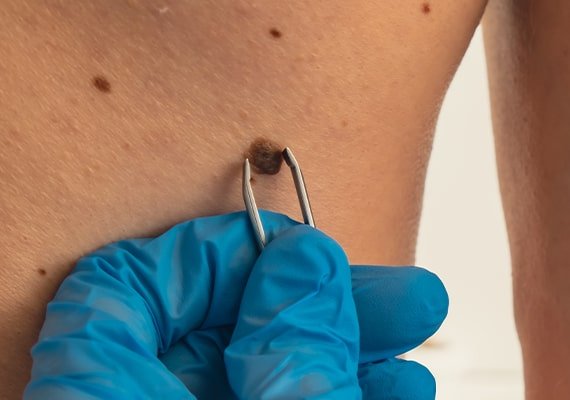
A visual examination allows the clinician to assess the growth directly. The area may be inspected for its overall appearance, including its shape, colour, size and position on the skin.
The clinician may consider whether the growth has the characteristic appearance of a skin tag. Its relationship with the surrounding skin can also be considered. For example, the clinician may look at whether the growth appears attached to the skin by a narrow stalk or has a broader attachment.
The surrounding skin may also be examined rather than focusing only on the skin tag itself. This provides additional context and can help the clinician understand the condition of the area before discussing removal.
What Features Are Considered During the Assessment?
Several characteristics may be considered when examining a skin tag.
Size and Shape
The clinician may assess the approximate dimensions and shape of the growth. Skin tags can be very small or more noticeable, and their shape can vary.
Colour
The colour of a skin tag can range from a shade similar to the surrounding skin to a darker tone. The clinician considers its colour alongside its other characteristics rather than relying on colour alone.
Texture
A skin tag may have a soft or flexible texture. The clinician may assess how the growth feels and how it relates to the surrounding skin.
Attachment to the Skin
The way the growth is attached can be relevant when considering how it may be removed. Some skin tags have a narrow base, while others may have a wider attachment.
Location
The location of the skin tag is also considered. Common areas include the neck, underarms, eyelids, groin and areas where skin or clothing frequently rubs together.
Is the Surrounding Skin Examined?
Yes. Examining the surrounding area can be an important part of a skin assessment.
The clinician may look for additional skin growths, changes in pigmentation or other features around the area being assessed. The condition of the surrounding skin may also influence how the removal is planned.
For example, a skin tag located in an area that experiences regular friction may be considered differently from one in a less exposed area.
This broader assessment helps ensure that the consultation focuses on the individual’s overall skin concern rather than viewing the growth in isolation.
Does the Clinician Check the Skin Tag Under Magnification?
Depending on the appearance of the skin growth, a clinician may decide that closer examination is appropriate. Magnification can provide a more detailed view of certain surface features that may not be as easy to see with the naked eye.
Whether additional examination is needed depends on the individual presentation and the clinician’s assessment.
Not every typical skin tag requires extensive investigation. However, if the appearance is unusual or does not clearly fit the expected characteristics of a skin tag, the clinician may recommend further evaluation before proceeding.
What Happens If the Growth Does Not Look Like a Typical Skin Tag?
Not every skin growth is necessarily a skin tag. There are different types of benign skin growths and other lesions that can have overlapping appearances.
If the clinician is uncertain about the nature of the growth, removal may not be the immediate next step. Instead, the clinician may recommend further assessment or referral where appropriate.
This is one reason an examination is valuable. It allows the clinician to distinguish between a straightforward skin tag assessment and a situation where additional evaluation would be more suitable.
Patients should also mention any noticeable changes they have observed, particularly if the appearance of the growth has changed over time.
How Does Medical History Influence the Assessment?
A patient’s medical history can provide useful context during a skin tag consultation. The clinician may ask about existing health conditions, previous procedures and medications.
Information about previous skin procedures may also be relevant. If a patient has had similar growths assessed or removed in the past, discussing that experience can help provide additional background.
The clinician may also ask about the patient’s expectations. For example, someone may want a skin tag removed because it catches on clothing, while another person may be concerned mainly about its appearance.
Understanding the reason for seeking treatment helps the clinician discuss appropriate options.
Does the Location Affect the Removal Plan?
The location of a skin tag can influence how the clinician approaches removal. Skin in different areas can vary in thickness, sensitivity and exposure to friction.
For example, a skin tag around the neck may regularly rub against collars or jewellery. A growth near the underarm may experience friction from movement and clothing. A skin tag around the eyelid requires particular consideration because of its location close to the eye.
The clinician can discuss the location-specific considerations during the consultation and explain the approach that may be suitable.
What Should You Tell the Clinician Before Skin Tag Removal?
Patients can make their consultation more useful by preparing a few details beforehand. It can help to think about when the skin tag was first noticed and whether its appearance has changed.
You can also mention:
- Any previous skin assessments
- Previous skin procedures
- Current medications
- Relevant medical history
- Whether the growth is regularly irritated
- Your reason for wanting it removed
- Any concerns about the appearance or location
There is no need to diagnose the growth yourself. The purpose of the appointment is for a qualified clinician to examine it and provide appropriate guidance.
How Is the Removal Decision Made?
Once the clinician has examined the skin tag and discussed the patient’s medical history and concerns, they can explain whether removal is appropriate.
The decision may take into account the appearance of the growth, its location, size, attachment and the patient’s reason for seeking treatment.
If removal is appropriate, the clinician can explain the available approach and what the patient can expect during the procedure and subsequent Stitches And Wound Care In UK, if wound care is required.
In some situations, a skin concern may require a different form of management. The clinician can explain this clearly rather than proceeding with a removal method that is not suitable for the particular growth.
How Does Skin Tag Assessment Differ From Lump Assessment?
Skin tags and lumps are not necessarily the same type of skin concern. A skin tag is typically a small growth extending from the skin, Lump Removal In UK whereas a lump can describe a wider range of findings beneath or within the skin.
For this reason, an assessment should be based on the characteristics of the individual growth rather than its general description.
At Well Life Clinic, patients seeking Lump Removal In UK can also discuss their concern with a clinician who can assess the lump and determine the appropriate next step.
The examination may consider the location, size, consistency, duration and other relevant characteristics before a treatment plan is discussed.
What Happens After the Examination?
After the assessment, the clinician can explain the findings in straightforward language. If the growth appears suitable for removal, the next steps can be discussed.
Depending on the circumstances, removal may take place during a suitable appointment or may be arranged separately. The clinician can explain what preparation is required and what aftercare may be needed.
Patients can also use this opportunity to ask questions about the procedure, healing process and what to expect after treatment.
Clear communication at this stage helps ensure that the patient understands the proposed plan before making a decision.
Why Is Professional Assessment Important?
A professional assessment provides a structured way to evaluate a skin growth before treatment. Rather than assuming that every small growth is a skin tag, the clinician considers its appearance, history and location.
This is particularly useful when a patient is unsure what a growth is or has noticed that its appearance has changed.
An examination also allows the clinician to tailor the discussion to the patient’s individual circumstances. The aim is to make the treatment decision based on the specific skin concern rather than a one-size-fits-all approach.
Conclusion
A skin tag examination before removal generally involves discussing the history of the growth, inspecting its appearance and considering factors such as its size, colour, texture, attachment and location. The clinician may also review relevant medical history and discuss the patient’s reason for seeking removal.
For patients considering Skin Tag Removal In UK, this assessment is an important first step because it helps establish whether the growth has the typical characteristics of a skin tag and whether removal is appropriate. If the appearance is uncertain, the clinician can recommend further assessment rather than immediately proceeding with treatment.
A consultation at Well Life Clinic gives patients an opportunity to have their skin concern assessed, understand their options and discuss the next steps based on their individual needs.
FAQs
How is a skin tag checked before removal?
A clinician usually examines its size, shape, colour, texture, attachment and location while also asking about when it appeared and whether it has changed.
Does every skin tag need to be examined before removal?
A professional assessment is recommended before removal so the clinician can confirm that the growth appears consistent with a skin tag and determine an appropriate treatment approach.
What should I tell the clinician during a skin tag consultation?
Tell the clinician when you noticed the growth, whether it has changed, whether it becomes irritated and whether you have had similar skin concerns assessed or removed previously.
Can a skin tag be removed during the same appointment?
This depends on the clinical assessment, the location and characteristics of the growth, and the treatment approach considered appropriate.
What if the growth does not look like a typical skin tag?
The clinician may recommend further assessment before removal if the appearance is unusual or the diagnosis is uncertain.
Can I ask about wound care after skin tag removal?
Yes. Your clinician can explain the expected aftercare and discuss Stitches And Wound Care In UK if wound care is relevant to the procedure.