In a competitive business environment, the way a company presents itself can influence how customers recognize, remember, and trust its brand. Signage is often one of the first things people notice when approaching a storefront, commercial building, office, or industrial facility. Sign Works helps businesses communicate their identity through signage and visual branding solutions designed for practical use in commercial settings. Well-planned signs can make a business easier to identify, provide useful information, and create a consistent appearance across different locations and customer touchpoints.
Choosing professional signage services involves more than selecting attractive lettering or a suitable color scheme. Businesses must consider visibility, readability, materials, placement, durability, and the message they want to communicate. A sign should serve a clear purpose while complementing the organization’s overall identity. When these factors are considered together, signage becomes a useful business asset rather than simply a decorative feature. Understanding the available options can help business owners make informed decisions that support their daily operations and long-term branding goals.
Why Business Signage Matters for Brand Recognition?
A recognizable business identity helps customers distinguish one company from another. Storefront signs, building identification signs, and branded displays provide visual information that connects a physical location with its organization. Consistent use of logos, typography, and brand colors can make this identity easier to remember. For businesses operating in busy commercial districts, clear signage also helps customers identify entrances and locate services without unnecessary confusion. The most effective signs balance visual appeal with a straightforward message that people can understand quickly.
Signage can also reinforce brand consistency beyond the main storefront. Interior signs, reception displays, directional graphics, and promotional materials can follow the same visual style, creating a coordinated experience for visitors. For example, a company with several offices can use consistent identification signs to present a unified image across its locations. This approach is particularly valuable for organizations that want their physical environment to reflect the professionalism of their services. Careful planning helps ensure that every sign contributes to a recognizable and organized brand presentation.
Selecting the Right Signage for Your Business
Different businesses require different signage solutions, depending on their premises, audience, operating environment, and communication needs. Retail stores may benefit from storefront displays and illuminated lettering, while office buildings may need reception signs, floor directories, and directional information. Industrial facilities often require durable identification and safety signs that remain readable in demanding conditions. Selecting the right format starts with identifying the primary purpose of each sign, the distance from which it must be viewed, and the information people need to understand.
Businesses evaluating professional signage services should also consider the materials and construction methods appropriate for their projects. Outdoor signs must withstand local weather conditions, while indoor displays may place greater emphasis on finish, appearance, and integration with existing interiors. Lighting requirements, mounting surfaces, maintenance access, and local sign regulations can influence the final decision. Discussing these details before production helps reduce avoidable design changes and supports a smoother installation process. A well-matched signage solution should meet practical requirements while maintaining a consistent visual identity.
Improving Visibility With Exterior and Illuminated Signs
Exterior signage helps establish a business’s presence within its surroundings. Building signs, entrance markers, freestanding displays, and storefront lettering can guide customers toward the correct location while communicating the organization’s name and services. Effective placement is essential because a sign may compete with traffic, nearby buildings, landscaping, and other visual distractions. Appropriate sizing, strong contrast, readable lettering, and a clear message can make a sign easier to recognize. Businesses should consider how pedestrians and drivers approach the property before deciding on its final position.
Illuminated signs can provide additional visibility during evening hours and in locations with limited natural light. LED lighting, illuminated lettering, and other suitable lighting systems can help businesses maintain a clear visual presence when daylight fades. However, brightness, positioning, energy use, and maintenance should be considered as part of the overall design. Sign Works serves businesses seeking signage and lighting solutions suited to their commercial environments. By planning visibility around actual site conditions, companies can create displays that remain functional without relying on unnecessary visual complexity.
Connecting Signage With Vehicle Graphics and Marketing
Business branding does not need to remain limited to a building. Company vehicles, delivery vans, service trucks, and commercial fleets can also display logos, contact information, and brand graphics. Vehicle graphics turn ordinary transportation into a moving representation of a business, helping maintain a consistent identity wherever employees travel. A clear design is especially important because viewers may have only a few seconds to notice the vehicle. Large, readable lettering and a simple visual hierarchy can make essential information easier to recognize.
Coordinating vehicle graphics with exterior signs and other branded materials creates a more unified marketing presence. When the same colors, logo treatments, and messaging appear across several formats, customers can more easily associate those visuals with the company. Businesses considering professional signage services can therefore benefit from thinking about their branding requirements as a connected system. Sign Works offers signage-related solutions that can support commercial identity across physical locations and vehicle graphics. Planning these elements together can help organizations avoid inconsistent designs and make better use of their branding investments.
The Importance of Durable Materials and Quality Installation
A sign’s appearance is only one part of its overall value. Materials, fabrication quality, mounting methods, and installation conditions all influence how well it performs over time. Outdoor signs may face rain, sunlight, temperature changes, wind, and airborne debris, while industrial displays can encounter dust, moisture, or frequent handling. Choosing materials appropriate to the environment helps reduce premature deterioration and maintain readability. Businesses should also consider how easily a sign can be cleaned, inspected, repaired, or updated as their requirements change.
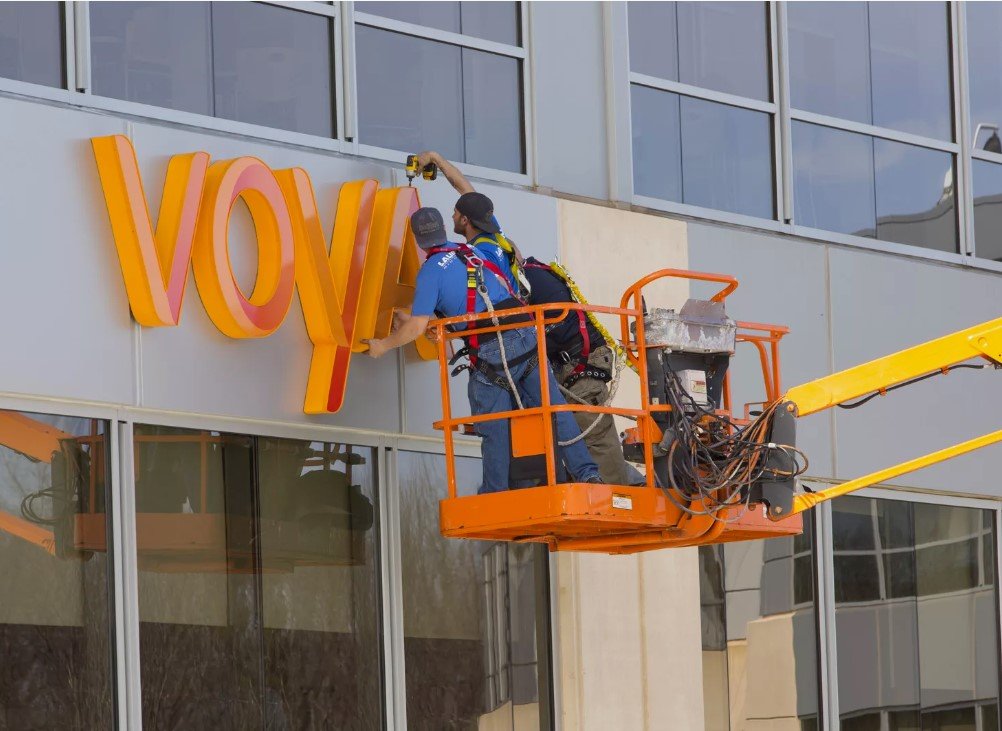
Professional planning and installation can help address practical challenges before they become costly problems. Installers may need to evaluate wall construction, mounting locations, electrical connections for illuminated signs, access equipment, and applicable permissions. Correct installation supports stability and helps ensure the finished sign is positioned as intended. Routine inspections can identify loose fittings, damaged surfaces, failing illumination, or outdated information. Treating signage as a maintained business asset helps organizations preserve its appearance, functionality, and contribution to their overall presentation.
Supporting Commercial and Industrial Communication
Clear signage has an important role in environments where people need to find locations, understand instructions, or recognize potential hazards. Commercial buildings may use directional displays to guide visitors through entrances, reception areas, parking facilities, and shared spaces. Warehouses, construction sites, and industrial operations may require identification signs and safety messages that communicate essential information clearly. In these settings, readability and suitable placement are particularly important because signs must work within the conditions of the environment and the needs of their intended audience.
Industrial signage should be selected according to the specific application rather than appearance alone. Businesses may need materials suited to outdoor exposure, high-traffic areas, or particular operating conditions. Safety-related signs should also follow the applicable workplace requirements and standards for their location and use. Although signage can improve communication, it should complement appropriate training, procedures, and other safety measures rather than replace them. A carefully planned signage system helps businesses present information consistently and supports more organized movement throughout commercial and industrial properties.
Planning a Signage Project With Clear Objectives
A successful signage project begins with a clear understanding of what the business wants to achieve. Some organizations need to attract attention from passing customers, while others want to improve navigation, update an outdated brand identity, or make information easier to access. Establishing these objectives helps determine the number, type, size, and placement of signs required. Businesses should also consider their budget, expected maintenance needs, installation schedule, and any restrictions affecting their premises. A defined plan makes it easier to compare options based on suitability instead of appearance alone.
Working with an experienced signage provider can help bring these considerations together. Before proceeding, businesses should review design proofs, confirm measurements, discuss materials, verify installation requirements, and ensure that the proposed solution reflects their branding accurately. It is also useful to establish how future changes will be handled if the company relocates, introduces new services, or updates its visual identity. Sign Works supports commercial signage and branding needs, making it relevant for businesses looking to organize their signage projects around practical requirements and a consistent presentation.
Conclusion
Effective signage helps businesses communicate their identity, improve visibility, guide visitors, and maintain a professional appearance across commercial environments. From exterior building signs and illuminated displays to vehicle graphics and industrial identification, each solution should be selected according to its intended purpose, location, and audience. Thoughtful design, suitable materials, quality installation, and regular maintenance all contribute to better long-term performance. Businesses that plan their signage carefully can create a consistent visual presence while meeting the practical needs of their premises and customers.
For organizations looking to strengthen their physical branding, professional signage services offer a practical way to connect visual identity with everyday business operations. Sign Works provides signage-related solutions for commercial environments, helping businesses consider the role of signs in visibility, communication, and brand consistency. By identifying clear objectives and choosing solutions that suit their actual requirements, business owners can make informed signage decisions that support their company’s presentation today and accommodate its needs as it grows.