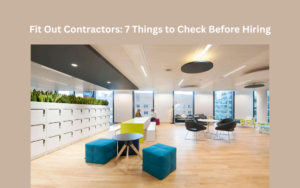
A well-designed interior can influence how employees work and how customers experience a business. While furniture, finishes, branding, and layout all contribute to an indoor environment, lighting can affect how clearly people see and navigate the space. Sign Works helps businesses explore signage and lighting solutions that can complement different commercial interiors while supporting practical workplace and customer-facing requirements.
Choosing commercial interior lighting requires businesses to consider the purpose of each room rather than treating the entire property as one space. Reception areas, offices, retail floors, meeting rooms, corridors, service counters, and display areas may all have different illumination needs. A thoughtful lighting plan can help create an environment that is functional, visually comfortable, and consistent with the character of the business.
Understand How the Space Is Used
Before selecting lighting, businesses should consider what activities take place in each area. An office may require comfortable illumination for computer-based work, while a retail store may need focused lighting to draw attention to products.
Reception areas may benefit from welcoming illumination, whereas storage or service areas may prioritize practical visibility.
Understanding these differences allows businesses to select lighting based on actual requirements instead of applying the same solution throughout the property.
Improve Workplace Visibility
Employees often perform tasks that require clear visibility. Poorly illuminated work areas can make reading documents, operating equipment, organizing materials, or completing detailed tasks more difficult.
Businesses should consider the type of work performed in each space when determining lighting placement and intensity.
The objective is to provide useful illumination while maintaining a comfortable environment for employees throughout their working hours.
Create a Welcoming Customer Environment
Lighting can influence how customers perceive a commercial interior. A reception area with appropriate illumination may feel more organized and inviting, while a retail environment can use focused lighting to guide attention.
Businesses should think about the customer journey through the property.
Entrance areas, waiting spaces, service counters, product displays, and other customer-facing locations can each benefit from lighting that supports their specific function.
Match Lighting to Interior Design
For commercial interior lighting, appearance is an important consideration alongside functionality. Fixtures can contribute to the overall style of a space and should complement elements such as walls, ceilings, furniture, signage, and architectural details.
A modern office may benefit from a clean and understated lighting approach, while a retail or hospitality environment may use lighting as part of its decorative character.
Coordinating fixtures with the interior design can create a more unified environment.
Support Product Presentation
Retail businesses often use lighting to make products easier to see and distinguish. Focused illumination can draw attention to merchandise, displays, shelving, artwork, or promotional areas.
The lighting should enhance the products without creating distracting glare or excessive brightness.
Businesses can use different levels and directions of illumination to create visual priorities within the space.
Consider Reception and Waiting Areas
Reception areas create an important first impression. Customers and visitors should be able to identify the reception desk, seating area, signage, and other important features without difficulty.
Appropriate lighting can help establish a clear focal point while contributing to a professional atmosphere.
Businesses can coordinate lighting with reception signs, logos, wall graphics, and other branded elements.
Improve Wayfinding
Interior lighting can support navigation through larger commercial properties. Hallways, entrances, stairs, corridors, and transitions between different areas should remain visually clear.
Businesses can identify common customer and employee routes and ensure these areas receive appropriate illumination.
Combined with directional signage, effective lighting can make a commercial environment easier to navigate.
Consider Energy Efficiency
Lighting can account for a significant portion of a commercial property’s ongoing energy use. Businesses should consider efficiency when selecting fixtures and planning operating schedules.
Factors such as operating hours, fixture performance, energy consumption, and maintenance requirements can influence the long-term cost of a lighting system.
An efficient approach can help businesses manage operating expenses while maintaining suitable illumination.
Think About Glare and Visual Comfort
Excessive brightness or poorly positioned fixtures can create glare. This can be particularly noticeable in offices, computer work areas, reception desks, and spaces with reflective surfaces.
Businesses should consider fixture direction and placement to reduce unnecessary glare.
A comfortable lighting environment should provide enough visibility without making employees or customers feel visually strained.
Coordinate Lighting With Signage
Interior signs need to remain readable and visible. Lighting can help highlight company logos, directional displays, room signs, wall graphics, and other branded elements.
Businesses can position fixtures to support signage without washing out lettering or creating distracting shadows.
When lighting and signage are planned together, both elements can contribute to a more cohesive interior environment.
Highlight Architectural Features
Interior lighting can also emphasize distinctive design elements. Decorative walls, textured surfaces, ceilings, artwork, columns, or branded installations can become focal points through carefully directed illumination.
Businesses should select only the features they want to emphasize rather than attempting to illuminate everything equally.
This can create visual depth and make the interior more memorable.
Plan Lighting Around Natural Light
Windows and skylights can provide natural illumination during parts of the day. Businesses should consider how daylight changes throughout operating hours when planning artificial lighting.
Some areas may receive strong daylight in the morning but require additional illumination later.
Understanding these changes can help businesses create a more consistent environment throughout the day.
Consider Maintenance Access
Lighting systems require occasional cleaning, inspection, repair, and component replacement. Businesses should consider how easily fixtures can be accessed when maintenance is required.
A practical installation plan can reduce disruption to employees and customers.
Maintenance requirements should be considered before fixture locations are finalized.
Support Different Business Areas
Commercial properties often contain multiple spaces with different functions. Offices, meeting rooms, retail areas, corridors, reception zones, break rooms, and service areas do not necessarily require identical lighting.
Creating a flexible approach allows each area to receive appropriate illumination.
This can make the overall property more functional while maintaining a consistent visual style.
Plan Professional Installation
Installation involves more than mounting fixtures. Ceiling structure, electrical access, fixture positioning, cable management, and existing building systems may all need to be considered.
Professional installation can help businesses address these practical requirements and achieve an organized finished appearance.
Planning installation alongside the lighting design can also help identify potential challenges before work begins.
Integrate Lighting With Brand Identity
Businesses can use lighting as part of their overall physical branding strategy. A consistent approach to illumination can complement company signage, wall graphics, colors, furniture, and other visual elements.
The result can be an environment that feels intentionally designed rather than assembled from unrelated components.
How Sign Works Can Help
Sign Works provides signage and lighting solutions for businesses seeking professional visual environments. Its services include commercial signage, interior and exterior lighting, vehicle graphics, wall graphics, digital displays, safety signage, decals, outdoor signs, and installation.
By coordinating lighting with signage and other visual elements, businesses can develop interiors that support both practical operations and consistent brand presentation.
Final Thoughts
Effective interior lighting can support employee productivity, customer comfort, navigation, product presentation, branding, and the overall appearance of a commercial property. The best approach considers how each area is used, where people move, how much natural light is available, and what visual atmosphere the business wants to create.
Businesses evaluating commercial interior lighting should consider functionality, energy efficiency, visual comfort, maintenance, signage integration, and professional installation. With careful planning and support from Sign Works, commercial interior lighting can help create functional, welcoming, and visually consistent business environments.