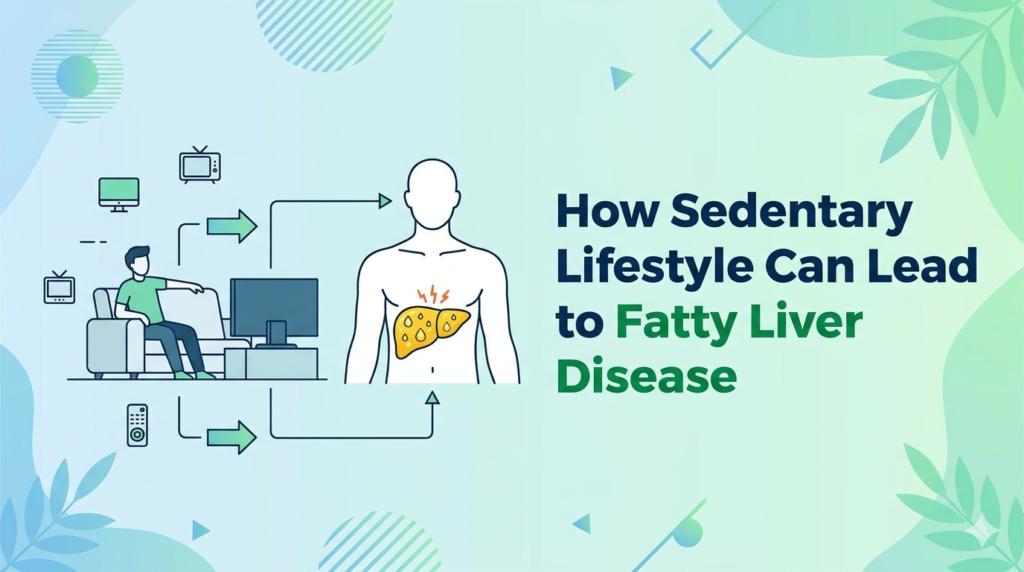
Modern life has made sitting a normal part of our routine. Whether it is long office hours, work-from-home culture, binge-watching shows, or spending time on mobile phones, many people today spend most of their day inactive. While this may seem harmless, a sedentary lifestyle can quietly affect your health in serious ways. One of the most common problems linked to inactivity is fatty liver disease.
Fatty liver disease happens when excess fat starts building up in the liver. In the early stage, it may not show obvious symptoms, which is why many people ignore it. But over time, this fat accumulation can cause inflammation, liver damage, and even serious liver complications. The good news is that it can often be detected early with the right blood test and managed through lifestyle changes.
At Dr. B. Lal Clinical Laboratory, which has over 30 years of diagnostic expertise and a strong network across Rajasthan, preventive testing and early health awareness remain key to better outcomes.
How Sitting Too Much Affects the Liver
The liver plays a major role in processing fats, sugars, and toxins in the body. When your body remains inactive for long periods, metabolism slows down. This means the calories you consume are not burned efficiently. Instead, the extra calories, especially from sugary foods, fried snacks, and refined carbs, start getting stored as fat.
Over time, this fat doesn’t just collect around the waistline—it also begins to deposit inside the liver cells. This condition is commonly known as Non-Alcoholic Fatty Liver Disease (NAFLD).
A sedentary routine also increases the chances of:
- Weight gain
- Belly fat
- High cholesterol
- Insulin resistance
- Type 2 diabetes
- High triglycerides
All these are major triggers for fatty liver.
The Hidden Link Between Sedentary Lifestyle and Insulin Resistance
One of the biggest reasons inactivity harms the liver is insulin resistance. When you sit for too long and move less, the body becomes less effective at using insulin. As a result, blood sugar remains high, and the liver converts extra sugar into fat.
This is where HbA1c becomes an important diagnostic marker. HbA1c helps measure average blood sugar levels over the last 2–3 months and gives a clear picture of whether blood sugar imbalance is contributing to fatty liver risk.
Similarly, a Lipid Profile helps assess cholesterol and triglyceride levels, which are closely linked to liver fat buildup. Elevated triglycerides are especially common in people with fatty liver.
Early Symptoms People Often Ignore
Fatty liver is often called a silent condition because many people feel completely normal in the beginning. However, as the condition progresses, some early warning signs may appear:
- Constant tiredness
- Mild discomfort in the upper right abdomen
- Bloating
- Unexplained weight gain
- Increased waist circumference
- Difficulty losing weight
- High cholesterol levels
- Elevated sugar levels
Many people only discover it during a routine blood test online booking or annual health checkup.
Which Tests Help Detect Fatty Liver Early?
Early diagnosis makes fatty liver easier to reverse. The following tests are commonly recommended:
1) LFT (Liver Function Test)
LFT is one of the most important tests for evaluating liver health. It checks liver enzymes like SGPT/ALT, SGOT/AST, bilirubin, albumin, and other markers. If liver enzymes are elevated, it may suggest inflammation or fat accumulation in the liver.
2) Lipid Profile
A Lipid Profile checks total cholesterol, LDL, HDL, and triglycerides. High triglycerides and bad cholesterol are strongly associated with fatty liver development.
3) HbA1c
As fatty liver is closely linked with insulin resistance and diabetes risk, HbA1c helps monitor long-term sugar control and overall metabolic health.
These tests are easily available through blood test at home services, making screening simple and convenient for busy individuals. Dr. B. Lal offers doorstep collection and fast report turnaround, which makes regular monitoring much easier.
Who Is at Higher Risk?
You may have a higher chance of developing fatty liver if you:
- Sit for more than 7–8 hours daily
- Rarely exercise
- Have a desk job
- Are overweight
- Have diabetes or prediabetes
- Eat processed or junk food regularly
- Have high cholesterol
- Experience poor sleep and stress
- Have PCOS or thyroid imbalance
Even young adults are increasingly being diagnosed due to inactive lifestyles and poor eating habits.
How to Prevent Fatty Liver from a Sedentary Routine
The good news is that fatty liver caused by lifestyle habits is often reversible.
Here are simple ways to protect your liver:
Move every 30–45 minutes
Even a short 3–5 minute walk after sitting for long periods helps improve metabolism.
Add daily exercise
Aim for 30 minutes of brisk walking, yoga, cycling, or strength training.
Reduce sugar and refined carbs
Cut down on sugary drinks, bakery items, white bread, and fried foods.
Eat more fiber
Fruits, salads, oats, dal, and vegetables support liver health.
Track your health markers
Routine screening with LFT, Lipid Profile, and HbA1c helps detect problems before symptoms become serious.
Why Early Testing Matters
Most people wait until symptoms become severe, but liver damage starts much earlier. A timely blood test can help identify elevated liver enzymes, cholesterol imbalance, and sugar issues before the condition worsens.
Choosing the best diagnostic lab ensures reliable reports and faster medical decisions. With NABL-certified infrastructure, advanced automation, and decades of trust, Dr. B. Lal Clinical Laboratory helps people stay proactive about liver and metabolic health.
Final Thoughts
A sedentary lifestyle may feel normal today, but the long-term effects on your liver can be serious. Fatty liver disease is becoming increasingly common among working professionals, students, and even young adults because of reduced physical activity.
The good part is that small daily changes, healthier eating, and timely screening can make a big difference. If your routine involves long sitting hours, consider scheduling a blood test at home for LFT, Lipid Profile, and HbA1c. Early detection can help prevent future liver complications and keep your overall health on track.