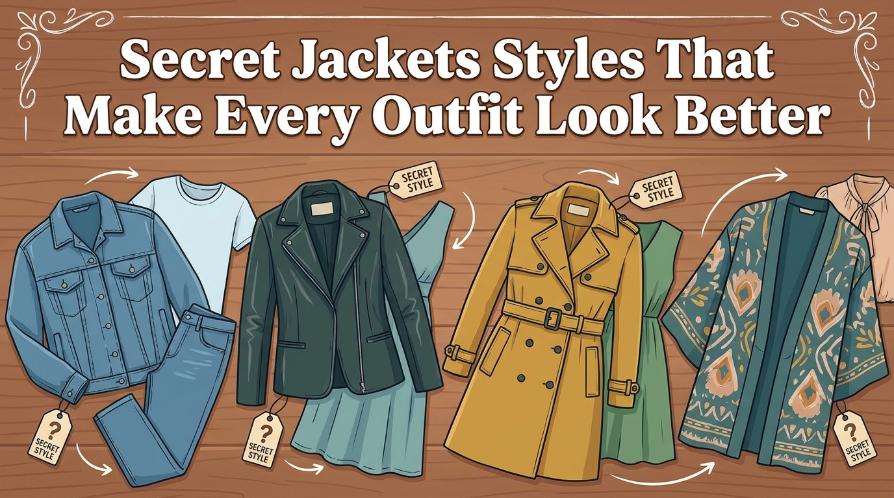
Secret Jackets Styles That Make Every Outfit Look Better
A good jacket can rescue an outfit that feels unfinished. You might be wearing a plain T-shirt, familiar jeans, and the same sneakers you reach for every week. Add the right outer layer, though, and the whole combination suddenly looks intentional. That is the quiet power behind smart jacket styles.
The secret has less to do with owning a crowded wardrobe and more to do with choosing pieces that change the shape, color, or attitude of what you already wear. Some jacket styles add structure. Others introduce contrast, soften a formal look, or make relaxed clothing appear sharper.
Once you understand what each outer layer contributes, getting dressed becomes much easier. You stop buying random pieces and start building outfits around jacket styles that support your proportions, daily routine, and personal taste.
Start with the shape of your outfit
Before thinking about color or brand, look at the outline your clothes create. Loose trousers, wide jeans, fitted dresses, and oversized shirts all produce different proportions. The most useful jacket styles balance those proportions rather than competing with them.
A cropped jacket usually works well with high-waisted trousers because it keeps the waist visible and prevents the outfit from looking heavy. Longer jacket styles can create a cleaner vertical line over slim pants, leggings, or a fitted skirt.
Volume also matters. If your trousers are wide and your top is relaxed, another oversized layer may swallow your frame. A shorter or more structured coat can bring definition back. With a fitted base, roomy jacket styles often look confident because the contrast feels deliberate.
Try viewing your outfit from a few steps away. Ignore the labels and focus on the silhouette. When the upper and lower halves feel balanced, even simple jacket styles can make inexpensive basics look considered.
Use workwear to make simple clothes feel stronger
Workwear has moved far beyond job sites. Its sturdy cuts, practical pockets, and straightforward construction give casual outfits a grounded character. These jacket styles work especially well when the rest of the look feels soft, plain, or slightly polished.
Picture a canvas work jacket over a white tank and straight jeans. Nothing about the outfit is complicated, yet the outer layer gives it weight. Similar jacket styles can also sit over a floral dress, creating a useful contrast between toughness and softness.
Color can make workwear feel less predictable. A pink carhartt jacket brings the familiar utility shape into a brighter, more playful outfit. Pair it with cream denim, faded blue jeans, charcoal trousers, or a simple black dress so the color has room to stand out.
The goal is not to copy a uniform. Take one practical element and mix it with clothes you already enjoy. That approach keeps work-inspired jacket styles relaxed and personal rather than costume-like.
Let cropped jackets define the waist
A cropped layer is one of the quickest ways to change an outfit’s proportions. It draws attention toward the waist and makes the legs appear longer, particularly when worn with high-rise bottoms. That is why cropped jacket styles remain useful even when trends shift.
The hem does not need to sit extremely high. A jacket that ends near the waistband can create enough separation between the upper and lower body. These jacket styles work with pleated trousers, straight denim, full skirts, and fitted dresses.
Keep the base layer neat when you want a sharper finish. A tucked T-shirt, ribbed knit, or close-fitting top prevents extra fabric from gathering beneath the jacket. For a more relaxed result, allow a longer shirt to show below cropped jacket styles and create a layered line.
Sleeves affect the balance too. Slightly roomy sleeves give a cropped piece more presence, while narrow sleeves produce a cleaner profile. Both choices work, but the best jacket styles repeat something already present in the outfit, such as its shape, texture, or level of formality.
Use oversized layers without losing your shape
Oversized outerwear can look relaxed and expensive, but it needs one clear point of control. That point might be a visible waist, a narrow trouser leg, a short skirt, or a fitted neckline. Successful oversized jacket styles leave part of the body defined.
Rolling or pushing up the sleeves is an easy adjustment. Showing the wrists breaks up a large block of fabric and makes the styling feel less rigid. Open jacket styles also reveal the outfit underneath, which creates depth and prevents the outer layer from dominating everything.
Length deserves attention. A roomy jacket ending at the widest part of the hips may feel bulky, while one that sits slightly above or below that point often hangs better. The strongest jacket styles follow your natural proportions instead of forcing you into a fashionable shape that feels uncomfortable.
Footwear can hold the outfit together. Sleek boots bring order to an oversized coat, while chunky sneakers continue its casual mood. There is no single rule. The shoes simply need enough visual weight to support larger jacket styles.
Make pink outerwear easier to wear
Pink jackets may seem difficult at first because the color attracts attention before the silhouette does. The simplest solution is to treat pink like any other strong shade. Build a calm foundation, then allow colorful jacket styles to become the main event.
Soft pink looks comfortable beside beige, stone, light-wash denim, white, and grey. Deeper pink has more punch and pairs naturally with black, chocolate brown, navy, or dark denim. These jacket styles can also work with red or burgundy, although the shades should share a similar warmth.
People searching for carhartt jacket pink womens styles are often drawn to the mix of a practical shape and an unexpected color. That combination makes ordinary jeans and a plain top look more expressive without requiring extra accessories.
Keep the rest of the palette controlled when you are still getting comfortable with pink. Once the piece feels familiar, try printed trousers, colored trainers, or a patterned scarf. Statement jacket styles become easier to wear after you stop saving them for a perfect occasion.
Mix athletic jackets with everyday basics
Sports-inspired outerwear brings movement to a wardrobe. Track collars, striped sleeves, snap closures, and relaxed fits can make tailored trousers feel less formal. These jacket styles also give denim and simple dresses a sharper streetwear edge.
The cleanest combinations usually include one athletic piece rather than a full matching set. Wear a track jacket with straight trousers and loafers, or place it over a fitted dress with simple trainers. This keeps sports jacket styles connected to everyday clothing instead of making the outfit resemble gym wear.
A piece such as the adidas chinese new year jacket can carry enough color and graphic interest to lead the outfit by itself. Solid trousers, a plain shirt, and low-key footwear give a detailed jacket space to make an impression.
You can repeat one color from the outer layer elsewhere, but avoid matching every detail. A small connection through socks, a bag, or footwear is enough. The most natural jacket styles look coordinated without appearing overly planned.
Pay attention to texture, not only color
Two pieces in the same color can create completely different moods because of their materials. Smooth leather feels sharper than washed canvas. Suede adds softness. Nylon brings a sporty finish, while wool creates a more dressed-up appearance. Texture is what gives many jacket styles their personality.
Combining textures helps a neutral outfit avoid looking flat. A brown suede jacket over a cotton shirt and dark denim creates depth without relying on bright shades. Leather jacket styles can add contrast to knitwear, satin skirts, or soft jersey dresses.
You do not need several dramatic materials in one outfit. One textured outer layer is usually enough. Keep nearby fabrics quieter so the contrast stays clear. This restraint allows distinctive jacket styles to look refined rather than busy.
Season also affects the result. Heavy fabrics naturally suit cooler months, while thin cotton, linen blends, and lightweight nylon feel better in warmer weather. The best jacket styles do more than look appealing in a photograph. They need to make sense for the temperature and your plans.
Use color repetition with a light touch
Repeating a jacket color somewhere else in the outfit can create a finished appearance. The repeat does not need to be exact. Olive outerwear might connect with green details in a printed scarf, while burgundy jacket styles could pick up a similar shade in trainers or a handbag.
Avoid repeating the main color too many times. When every accessory matches, the styling can feel stiff. One quiet reference is usually more effective. This method helps brighter jacket styles settle into the outfit without losing their visual impact.
Neutrals still need attention. Black outerwear can look heavy when everything below it is equally dark and flat. A white collar, silver accessory, blue jean, or textured knit adds separation. Neutral jacket styles become more interesting when the outfit includes differences in tone and surface.
Brown deserves special mention because it works with far more colors than many people expect. Try it with blue, cream, rust, pale pink, forest green, or grey. Brown jacket styles can replace black when you want an outfit to feel softer and less predictable.
Change the mood through the way you wear it
The same jacket can look different depending on how it is fastened, layered, or pushed back on the shoulders. Fully zipped jacket styles feel neat and sporty. An open front looks more casual and allows the colors underneath to play a larger role.
Turning up the collar can add shape around the face. Rolling the cuffs may reveal a lining or create a break at the wrist. Belting longer jacket styles changes their silhouette completely and can make a loose piece suitable for a smarter outfit.
Small choices matter because they show intention. A jacket worn without adjustment can look like something you grabbed for warmth. A changed cuff, visible collar, or carefully chosen layer makes familiar jacket styles feel connected to the rest of the clothing.
Do not force every trick into one look. Pick the adjustment that solves the outfit’s main problem. If it lacks shape, define the waist. If it looks too formal, leave the jacket open. Useful jacket styles earn their place by giving you several ways to wear them.
Avoid the mistakes that make jackets harder to style
The most common mistake is choosing a layer because it looks good alone. A jacket has to work with the trousers, dresses, shirts, and shoes already in your wardrobe. Practical jacket styles should connect with several outfits rather than depending on one perfect combination.
Another problem is ignoring shoulder fit. Even oversized designs need the shoulder line to look purposeful. If the fabric collapses awkwardly or pulls across the back, the jacket may never sit correctly. Well-fitting jacket styles make movement easy and keep the shape clear.
Too many statement pieces can also compete for attention. A detailed jacket, bright trousers, large accessories, and patterned shoes may leave the eye with nowhere to rest. Strong jacket styles usually look better beside one or two quieter elements.
Finally, do not keep an uncomfortable piece because it photographs well. If you cannot raise your arms, carry your usual bag, or add a layer underneath, you will rarely wear it. The smartest purchase is the one that fits your actual day.
Frequently Asked Questions
Which jacket shape works with most outfits?
A medium-length jacket with a clean shoulder line is one of the easiest options to style. It can sit over jeans, trousers, casual dresses, and simple skirts without changing the body’s proportions too dramatically.
How many jackets does a practical wardrobe need?
There is no fixed number, but three useful categories cover many situations: a lightweight casual layer, a warm cold-weather option, and a smarter piece for dressed-up plans. Add more only when they solve a clear styling or weather need.
Can a bright jacket be worn every day?
Yes. Treat the color as the outfit’s main feature and keep the base simple. Denim, black, cream, grey, and brown make reliable partners for bright outerwear. Repeating one small color detail can help the outfit feel connected.
Should a jacket match the shoes?
Exact matching is unnecessary. The jacket and shoes should share a similar mood or visual weight. A heavy outer layer often looks balanced with boots or substantial sneakers, while a neat cropped design can work well with loafers, flats, or slim trainers.
How can an old jacket feel new again?
Try a different base layer, roll the cuffs, change the footwear, add a belt, or wear it with a clothing shape you have not paired with it before. Styling changes are often more useful than buying another nearly identical piece.
Build better outfits with Jackets Junction
A jacket should do more than fill space in your closet. It should give basic clothing a clearer shape, make favorite outfits suitable for another season, and help you express your taste without adding unnecessary effort.
Jackets Junction brings together outerwear inspired by workwear, sports culture, entertainment, and street fashion. Explore the collection, choose a piece that fits your everyday wardrobe, and start creating outfits that look better from the moment you add the final layer.