The question looked simple.
The answers felt familiar.
Yet the screen flashed another incorrect response.
Many NREMT candidates share this moment. They know the facts. They studied the material, but scenario-based questions still feel slippery. That’s because the 2026 NREMT rewards thinking like a provider. Not memorizing like a student. This shift catches many off guard.
Once that mental shift happens, everything changes. Confidence improves. Accuracy rises. Decision-making sharpens. This guide explains how to build that provider mindset. Step by step. Without overthinking.
Why Scenario Questions Feel Harder Than Expected
Scenario-based questions feel different for a reason. They are designed that way. These questions test judgment, test prioritization, and test what happens first, not what sounds correct.
Many candidates struggle because they read scenarios emotionally. They picture the chaos. They rush to intervene. The exam does not reward rushing. It rewards order. It rewards calm, systematic thinking.
That gap creates mistakes, but it can be closed.
Recommended Read: How to Structure Your NREMT Prep for a First-Attempt Pass in Florida
The Key Shift: Student Thinking vs Provider Thinking
Student thinking focuses on facts.
Provider thinking focuses on actions.
A student recalls definitions.
A provider considers scene safety first.
A student looks for medical terms.
A provider follows a sequence.
That sequence matters more than isolated knowledge. Every time. Scenario-based mastery begins with this rule:
What would happen first in real care?
Once that question leads, answers become clearer.
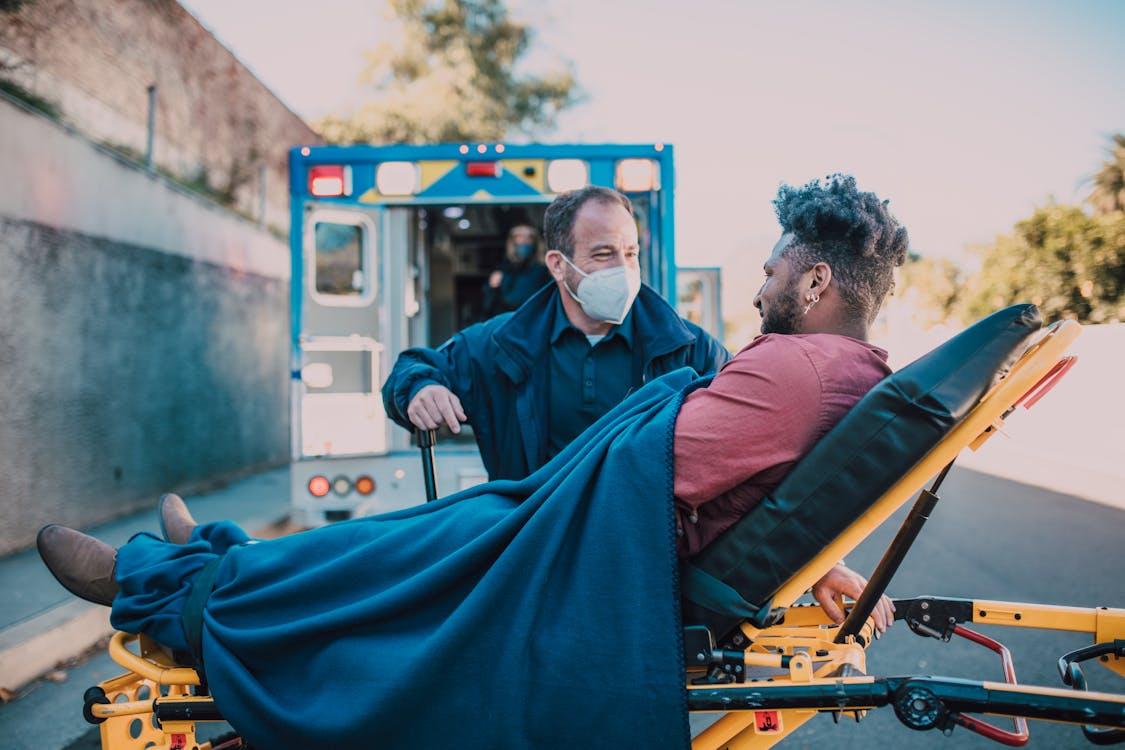
Always Start With the Big Picture
Scenarios often include extra details. Some matter. Many do not. Provider thinking starts wide. Before narrowing focus.
Ask these questions silently as you read:
- Is the scene safe right now?
- What is the immediate life threat?
- Who needs help first?
- What action changes the outcome fastest?
This approach prevents tunnel vision. It also prevents skipping steps. Skipping steps is one of the most common exam mistakes.
The Order Matters More Than the Action
Many wrong answers look helpful. They are not wrong actions. They are wrong timing.
For example:
Giving oxygen might be correct, but only after airway assessment. Applying a splint might be useful, but not before bleeding control. Scenario-based questions punish poor order. They reward correct flow.
If two answers feel right, choose the one that happens earlier.
Read the Scenario Like a Call, Not a Paragraph
Many candidates read scenarios like reading assignments. That slows understanding. Instead, read like you’re receiving a dispatch report. Short bursts of information. Each line adds context.
Pause mentally after each sentence. Ask what that detail changes. If it changes nothing, ignore it. If it raises risk, prioritize it. This reading style improves speed and clarity. It also reduces second-guessing.
Avoid Emotional Traps in Scenario Questions
Some scenarios feel intense on purpose. Crying patients. Severe injuries. High-risk settings. These details test emotional control. Not empathy. The exam wants clinical thinking under pressure. Not panic.
When emotions spike, return to basics:
- Airway
- Breathing
- Circulation
- Safety
This reset keeps decisions grounded. Even in dramatic scenarios.
Think in Systems, Not Isolated Problems
Real providers do not treat one issue at a time. They manage systems. Scenario questions reflect this.
A patient with chest pain is also breathing. A trauma patient may also have airway risks. Provider thinking asks: What system failure kills first? That question filters answer choices quickly. It removes distractions and sharpens focus.

Eliminate Answers That Skip Assessment
One powerful strategy improves accuracy fast. Eliminate answers that skip assessment steps. If an option jumps straight to treatment without assessment, pause. That shortcut often signals a wrong choice.
The NREMT values evaluation before intervention. Even in urgent cases. Assessment leads the plan, always.
Use Pattern Recognition, Not Guesswork
Scenario mastery grows with repetition. Patterns appear. Certain clues repeat across questions:
- Altered mental status suggests oxygen needs.
- Mechanism of injury signals internal risk.
- Age changes priorities.
- Environment changes safety concerns.
These patterns reduce guesswork. They replace anxiety with recognition. This skill develops with focused NREMT test prep. Not random question drills.
Practice Thinking Out Loud During Study
Silent studying hides weak reasoning. Thinking out loud exposes it. When practicing questions, say the steps aloud:
- “What’s the scene risk?”
- “What kills first?”
- “What comes before that?”
This habit builds clarity. It also strengthens recall under stress. Over time, that internal dialogue becomes automatic.
Why Scenario-Based Mastery Improves Every Section
This mindset does more than help in scenarios. It improves the entire exam. Operations become clearer. Medical questions feel structured. Trauma decisions feel logical. That’s why strong NREMT exam prep emphasizes thinking patterns. Not memorization alone.
Provider thinking connects the dots across sections. It builds confidence across the board.
Common Mistakes That Break Provider Thinking
Many candidates slip into these habits:
- Overthinking rare conditions
- Ignoring basic safety steps
- Treating before assessing
- Choosing dramatic answers
- Rushing the decision
Awareness matters. Each mistake can be corrected with practice. The fix starts with slowing down mentally. Not reading slower. Thinking clearer.
Scenario Success Comes From Consistency
There is no shortcut. There is a system:
- Consistent practice
- Focused review
- Intentional thinking
The best NREMT test prep teaches how to think. Not just what to know. That difference separates passing from repeating.
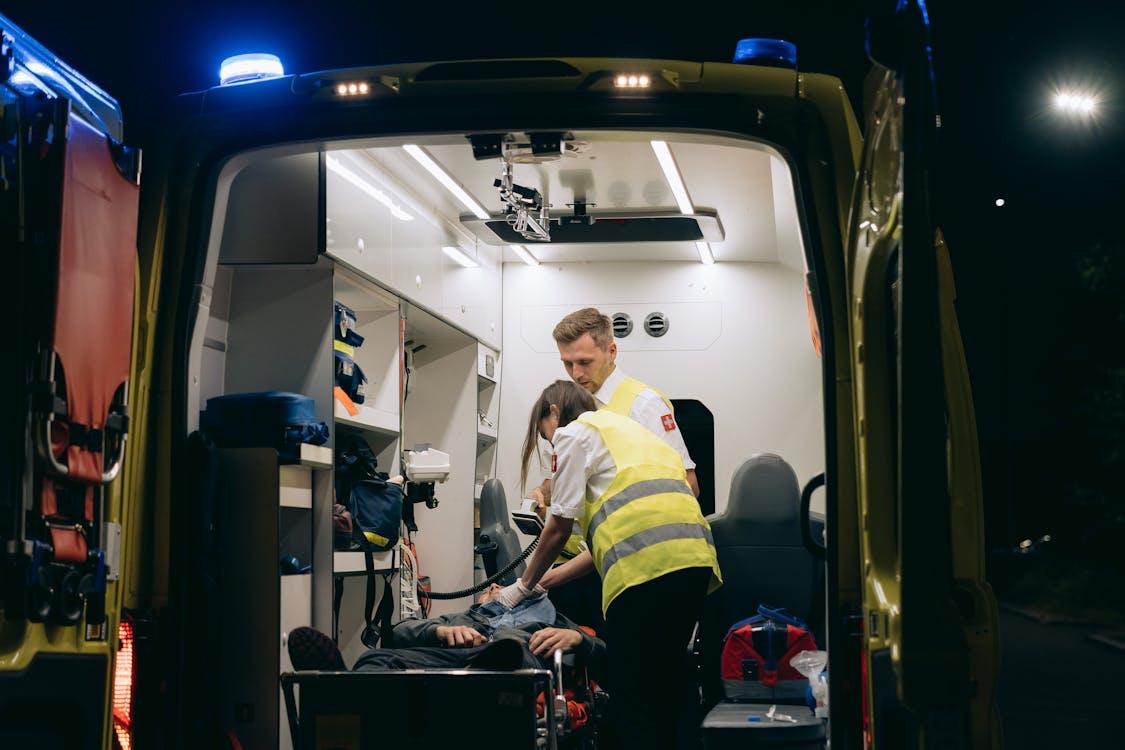
Think Like a Provider With How To NREMT
Where Real Thinking Meets Real Results
How To NREMT helps candidates build provider-level thinking from day one. Their NREMT test prep focuses on decision-making, not memorization.
Students follow a structured multi-step training plan that removes confusion and builds confidence steadily. Lessons focus on real scenarios, test strategy, and clinical judgment patterns.
For those who want focused intensity, the two-day NREMT exam intensive program delivers ten hours of high-impact instruction over a single weekend. Saturday and Sunday sessions sharpen thinking, improve accuracy, and reduce test anxiety.
Candidates preparing for the 2026 exam benefit from guided structure, realistic practice, and expert insight. How To NREMT supports smarter preparation from the first question to exam day. Get started today!
About the Author
Emily Carter is an EMS education writer with years of experience supporting EMT and paramedic students. She specializes in translating complex exam concepts into clear, practical guidance that builds confidence and improves real-world decision-making under pressure.